Vascular Trauma: Causes, Symptoms, and Treatment
Vascular trauma refers to any injury to blood vessels, including arteries, veins, and capillaries, caused by blunt or penetrating trauma. These injuries can lead to reduced blood flow, severe bleeding, and tissue damage, and may be life-threatening if not treated promptly. Early recognition and urgent specialist treatment are essential to prevent complications such as limb loss, organ damage, or death.
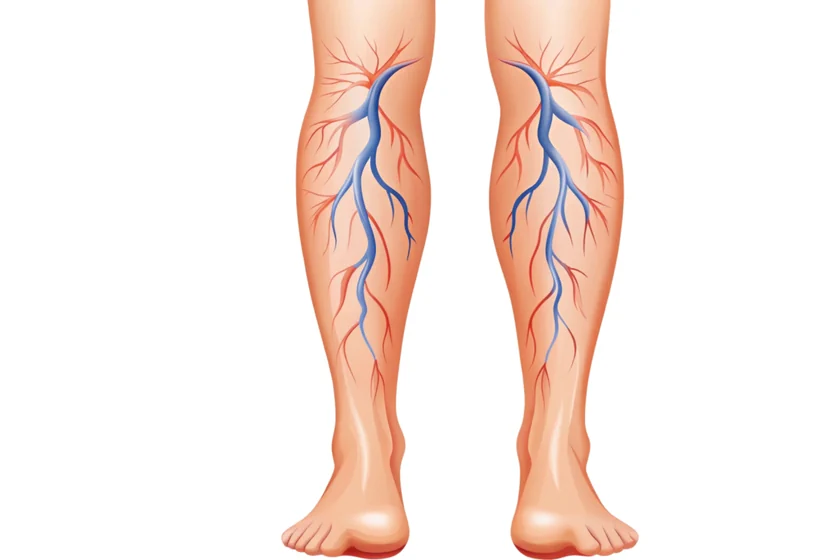
Symptoms of Vascular Trauma
Symptoms vary depending on the location and severity of injury. Common signs include:
- External signs: Active bleeding, swelling, bruising, or a pulsatile expanding hematoma near the injury site; sometimes a bruit (whooshing sound) over the wound.
- Signs of ischaemia (reduced blood flow): Pain, numbness, tingling, weakness, pale or cold skin, and weak or absent pulses beyond the injury.
- Systemic symptoms: Low blood pressure, rapid pulse, dizziness, fatigue, confusion, or loss of consciousness in severe blood loss.
- Complications: Compartment syndrome, blood clots, or tissue death (necrosis) if treatment is delayed.
Diagnosing Vascular Trauma
Accurate and timely diagnosis is critical to assess the extent of vascular injury and plan appropriate treatment:
- Physical examination: Assessment of bleeding, distal pulses, skin colour, temperature, capillary refill, and signs of ischaemia.
- Doppler ultrasound: Evaluates blood flow and vessel continuity.
- CT Angiography: Provides detailed imaging to pinpoint vessel damage, blockages, or leaks.
- X-ray / MRI: Helps detect fractures and associated soft tissue injuries.
- Conventional angiography: A dye-based minimally invasive test to map complex vascular injuries and guide endovascular treatment.
Treatment Options for Vascular Trauma
Treatment depends on the severity, location, and type of vascular injury. Prompt intervention is essential to restore blood flow, control bleeding, and preserve limb or organ function.
1. Emergency Management
- Direct pressure or dressings to control external bleeding.
- Immobilisation of the injured limb or region.
- Intravenous fluids and, if needed, blood transfusions to treat shock.
2. Surgical Treatment
- Vascular repair: Suturing or patching the injured vessel to restore normal flow.
- Interposition graft or bypass: Using a vein or synthetic graft to reroute blood around a damaged segment.
- Fasciotomy: Opening tight muscle compartments to prevent permanent damage from swelling and high pressure.
- Amputation: In rare, severe cases where the limb is non-salvageable due to prolonged ischaemia or extensive damage.
3. Minimally Invasive Endovascular Procedures
- Endovascular stenting: Placing a stent or stent-graft to seal vessel injuries, treat dissections, or support weakened vessel walls.
- Embolisation: Blocking specific injured vessels to control internal bleeding.
4. Post-Treatment Care & Rehabilitation
- Anticoagulant or antiplatelet medications to prevent clot formation where indicated.
- Regular vascular follow-up and imaging to monitor repair or stent patency.
- Physiotherapy and rehabilitation to restore strength, mobility, and function.
Complications of Vascular Trauma
If not treated in time, vascular trauma can lead to severe and sometimes permanent problems:
- Massive blood loss and life-threatening shock.
- Tissue death due to prolonged lack of blood flow.
- Loss of limb function or amputation.
- Blood clots that can travel to the lungs (pulmonary embolism) or brain (stroke).
Vascular trauma is a true medical emergency. Early diagnosis and rapid treatment can save lives, preserve limbs, and significantly improve recovery outcomes. If you or a loved one has suffered a serious injury with bleeding, swelling, or cold, pale limbs, seek immediate emergency care. Our vascular team provides advanced diagnostics and comprehensive treatment tailored to each patient’s needs.
Vascular Trauma Surgery in JP Nagar – Emergency Vascular Care
Vascular Trauma Surgery in JP Nagar focuses on the urgent diagnosis and treatment of injuries affecting arteries and veins due to accidents, trauma, or surgical complications. Prompt vascular intervention is critical to restore blood flow, control bleeding, and prevent limb or life-threatening complications. Sugathi Liver & Vascular Clinic provides advanced vascular trauma care using modern surgical and endovascular techniques. Led by an experienced vascular surgeon, our clinic ensures rapid response, precise repair, and optimal recovery outcomes for patients requiring emergency vascular treatment.
More Services
- Understanding Varicose Veins
- Lower Limb Arterial Diseases (PAD)
- Endovascular Treatments
- Dialysis Access Procedures
- Vascular Malformations
- Carotid Disease
- Treating Leg Ulcers
- Treatment of Swollen Legs
- Vascular Trauma
- Portal Mesenteric Vascular Diseases
- Aortic Aneurysm
- Diabetic Foot Ulcer
- Understanding Deep Vein Thrombosis
- Cervical Rib and Thoracic Outlet Syndrome
- Peripheral Vascular Disease
- Mesenteric Ischaemia

Dr. Gurunathreddy B
Vascular and Endovascular Surgeon
Vascular Trauma – FAQs
Common Questions, Clear Answers
Learn how vascular injuries are recognised, treated, and what to expect during recovery. These FAQs help patients, families, and first responders understand this emergency condition.
-
Recognise danger signs that require urgent care
-
Understand how modern vascular techniques can save limbs and lives

If you are recovering from
a serious injury or have
concerns about vascular damage, contact us here
Is every bleeding injury a vascular trauma?
No, minor cuts usually affect only small superficial vessels. Vascular trauma typically involves deeper or larger arteries and veins, causing severe bleeding, loss of pulses, or signs of reduced blood flow. Any major injury with heavy bleeding, swelling, or cold, pale limbs should be treated as a possible vascular emergency.
How quickly should vascular trauma be treated?
Time is critical. In severe limb injuries, irreversible muscle and nerve damage may occur within a few hours of lost blood flow. Immediate first aid, rapid transport to an equipped centre, and early intervention by a vascular specialist offer the best chance to save the limb and the patient’s life.
Will I always need open surgery for vascular trauma?
Not always. While many injuries still require open repair, selected cases can be managed with minimally invasive endovascular techniques such as stent-grafts or embolisation. The choice depends on the injury pattern, location, stability of the patient, and available facilities.
What is recovery like after vascular trauma repair?
Recovery depends on the severity of the injury and associated fractures or soft tissue damage. Many patients require hospital monitoring, wound care, physiotherapy, and regular vascular follow-up. With timely treatment and rehabilitation, limb function and overall quality of life can improve significantly.

.png)
.png)