Advanced Vascular
Diagnostic Options
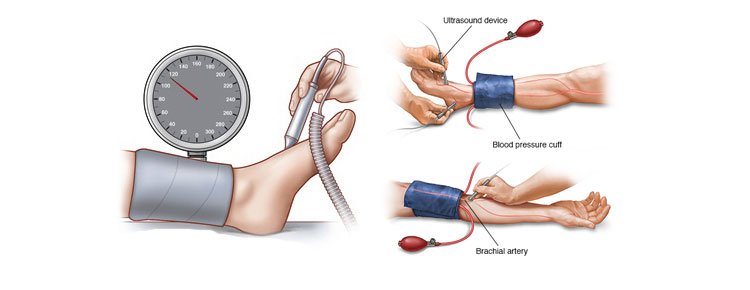
ABI (Ankle Brachial Index Test)
ABI is a simple, non-invasive test that compares blood pressure in the arms and ankles. It helps diagnose peripheral arterial disease and assess blood flow to the legs.
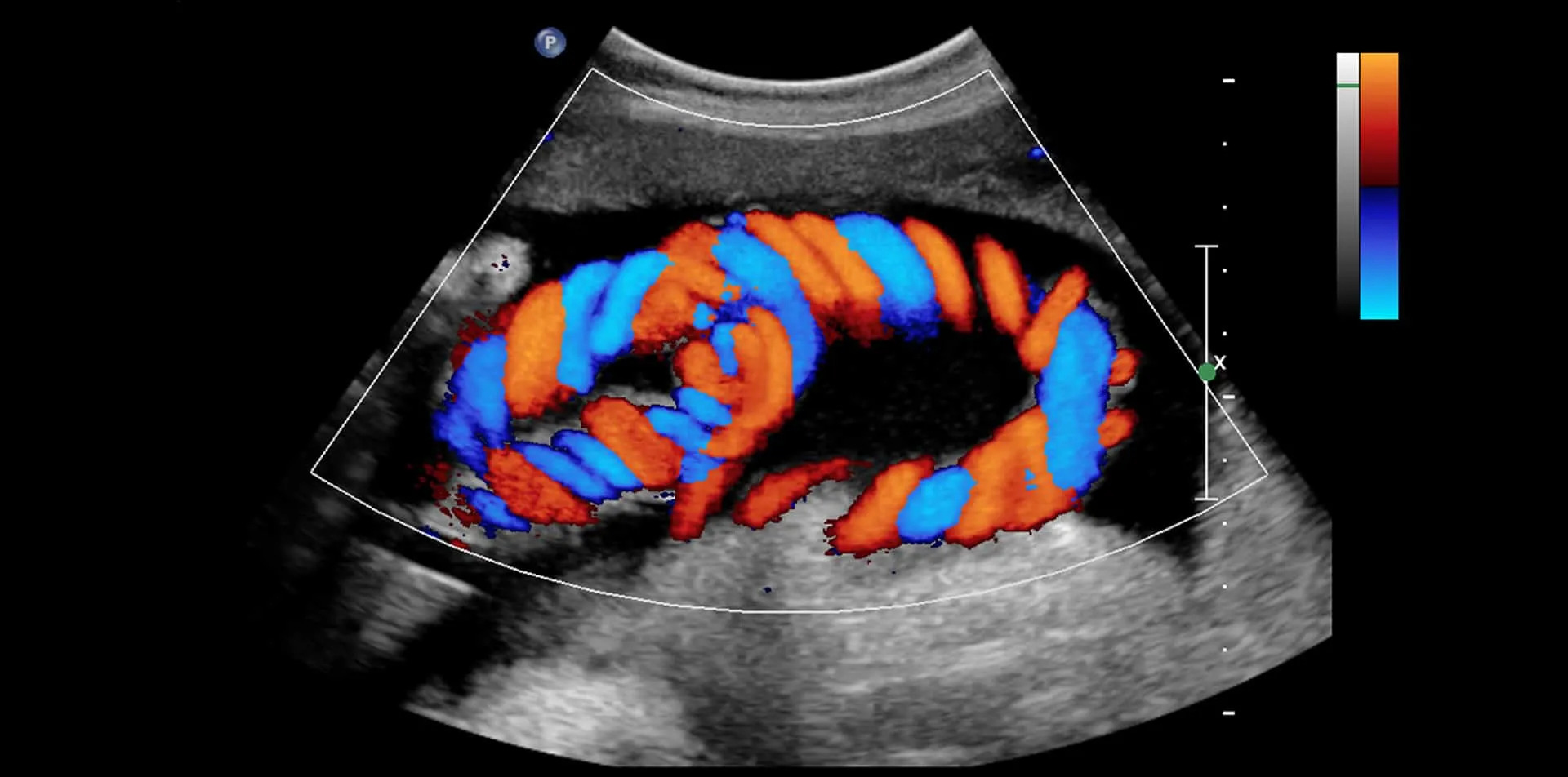
Color Doppler
A Color Doppler ultrasound evaluates blood flow through arteries and veins. It detects blockages, clots, varicose veins, and vascular abnormalities with real-time imaging.

CT Angiography
CT Angiography uses advanced CT scanning and contrast dye to produce detailed images of blood vessels, helping diagnose blockages, aneurysms, and vascular disorders.
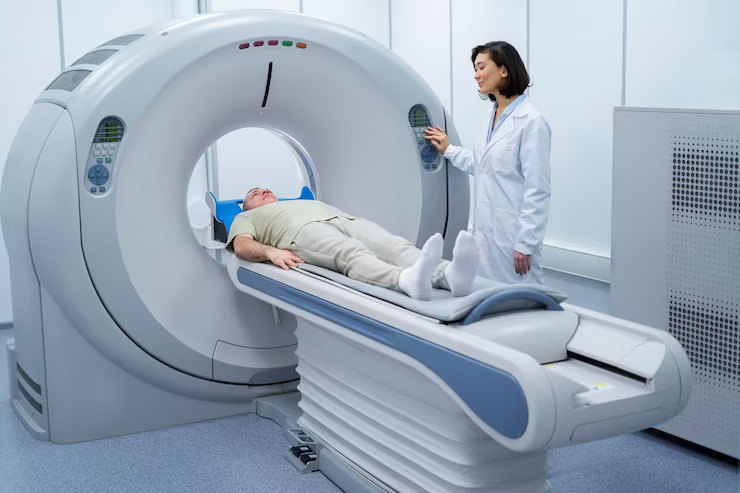
MRI (Magnetic Resonance Imaging)
MRI provides high-resolution images of soft tissues and blood vessels without radiation. It is used to evaluate inflammation, vessel walls, clots, and vascular conditions.
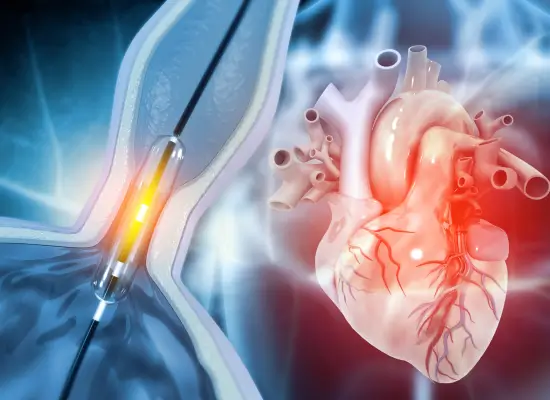
DSA (Digital Subtraction Angiography)
DSA provides highly detailed real-time images of blood vessels using contrast dye. It is the gold standard for diagnosing complex vascular blockages and planning treatment.
Your Questions Answered
Explore Our FAQs
Everything you need to know. Detailed
overview of our frequently asked questions
-
Comprehensive guide to our vascular
care and treatments -
Find accurate information you’re looking for

What conditions does a vascular surgeon treat?
Vascular surgeons treat arterial and vein conditions including varicose veins, diabetic foot issues, PAD, DVT, aneurysms, carotid artery disease, and vascular trauma. Treatments may be surgical or minimally invasive.
How do I know if I need vascular treatment?
Symptoms like leg pain while walking, swelling, numbness, varicose veins, or non-healing wounds suggest vascular issues. A Doppler scan helps diagnose the problem and guide treatment.
Are vascular treatments painful or risky?
Modern vascular treatments such as angioplasty, laser therapy, and minimally invasive procedures are safe, relatively painless, and promote faster recovery.
What is the recovery time after a vascular procedure?
Recovery varies based on the procedure. Minimally invasive treatments allow quick return to normal activities, while major surgeries may require longer rest. Doctors provide detailed guidance.

.png)
.png)