Mesenteric Ischaemia: A Serious Vascular Emergency
Mesenteric ischaemia occurs when blood flow to the intestines is reduced or blocked, leading to insufficient oxygen delivery to intestinal tissues. This condition can be acute (sudden onset, often life-threatening) or chronic (developing gradually). Prompt diagnosis and treatment are critical to prevent severe complications, including intestinal tissue death.
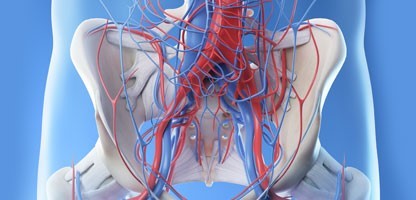
Causes of Mesenteric Ischaemia
1. Acute Mesenteric Ischaemia:
- Blood clots in the mesenteric arteries.
- Embolism (a clot or debris traveling from another area).
- Severe low blood pressure (shock).
2. Chronic Mesenteric Ischaemia:
- Narrowing of mesenteric arteries due to atherosclerosis (plaque buildup).
Symptoms of Mesenteric Ischaemia
- Acute: Sudden, severe abdominal pain, nausea, vomiting, or blood in stool.
- Chronic: Post-meal abdominal pain, unintended weight loss, and food avoidance due to discomfort.
Diagnosis
Early diagnosis is essential and may involve:
- Blood tests to check markers of intestinal damage.
- Imaging (CT angiography, Doppler ultrasound) to assess blood flow.
- Angiography to pinpoint blockages.
Treatment Options
1. Acute Mesenteric Ischaemia:
- Emergency surgery to remove clots or bypass blocked arteries.
- Endovascular procedures (stenting or clot removal).
- Management of underlying conditions such as atrial fibrillation.
2. Chronic Mesenteric Ischaemia:
- Angioplasty or stenting to widen narrowed arteries.
- Lifestyle changes and medications to manage risk factors like high cholesterol.
Why Early Treatment is Vital
Untreated mesenteric ischaemia can lead to intestinal damage, sepsis, and even death. Persistent abdominal pain—especially after eating—requires immediate medical attention.
Mesenteric ischaemia is a serious vascular condition requiring timely intervention. If you’re at risk or experiencing symptoms, our team of vascular specialists provides expert care, advanced diagnostics, and personalized treatment options to protect your intestinal and overall health. Contact us today for comprehensive support and solutions.
Mesenteric Ischemia Treatment in Banashankari – Advanced Vascular Care
Mesenteric ischemia is a serious vascular condition caused by reduced blood flow to the intestines, often leading to chronic abdominal pain and digestive complications. At Sugathi Liver & Vascular Clinic, we provide advanced mesenteric ischemia treatment in Banashankari using precise diagnostic imaging and minimally invasive endovascular techniques. Our expert vascular team focuses on restoring healthy intestinal blood circulation through angioplasty and stenting, ensuring safer procedures, faster recovery, and improved quality of life for patients.
More Services
- Understanding Varicose Veins
- Lower Limb Arterial Diseases (PAD)
- Endovascular Treatments
- Dialysis Access Procedures
- Vascular Malformations
- Carotid Disease
- Treating Leg Ulcers
- Treatment of Swollen Legs
- Vascular Trauma
- Portal Mesenteric Vascular Diseases
- Aortic Aneurysm
- Diabetic Foot Ulcer
- Understanding Deep Vein Thrombosis
- Cervical Rib and Thoracic Outlet Syndrome
- Peripheral Vascular Disease
- Mesenteric Ischaemia

Dr. Gurunathreddy B
Vascular and Endovascular Surgeon
Mesenteric Ischaemia – FAQs
Common Questions, Clear Answers
Learn more about mesenteric ischaemia, its symptoms,
diagnosis, and treatment options.
These frequently asked questions help you understand when to
seek timely specialist care.
-
A quick overview of key questions
patients ask about mesenteric ischaemia -
Helping you recognise warning signs early

What is mesenteric ischaemia?
Mesenteric ischaemia is a condition in which the blood supply to the intestines is reduced or blocked, usually due to a clot or narrowing of the arteries. This lack of blood flow can damage the bowel and, if not treated on time, can become a life-threatening emergency.
What are the common symptoms I should watch for?
Typical symptoms include sudden or severe abdominal pain, pain that feels worse after eating, bloating, nausea, vomiting, diarrhoea or constipation, and unexplained weight loss. In acute cases, the pain is often very severe and out of proportion to the findings on physical examination. Any such symptoms require urgent medical evaluation.
How is mesenteric ischaemia diagnosed?
Diagnosis is based on your symptoms, clinical examination, blood tests, and specialised imaging. CT angiography, Doppler ultrasound, and other vascular scans are commonly used to assess blood flow to the intestines and identify blockages or narrowed vessels so that treatment can be planned accurately.
What treatment options are available?
Treatment depends on whether the condition is acute or chronic and the extent of bowel involvement. Options may include medicines to improve blood flow and prevent clots, endovascular procedures such as angioplasty and stenting, or surgery to remove clots, bypass blocked arteries, or remove severely damaged bowel. Early treatment improves outcomes and helps preserve intestinal function.

.png)
.png)