Varicose Veins Treatment: Relief from Pain, Swelling & Visible Veins
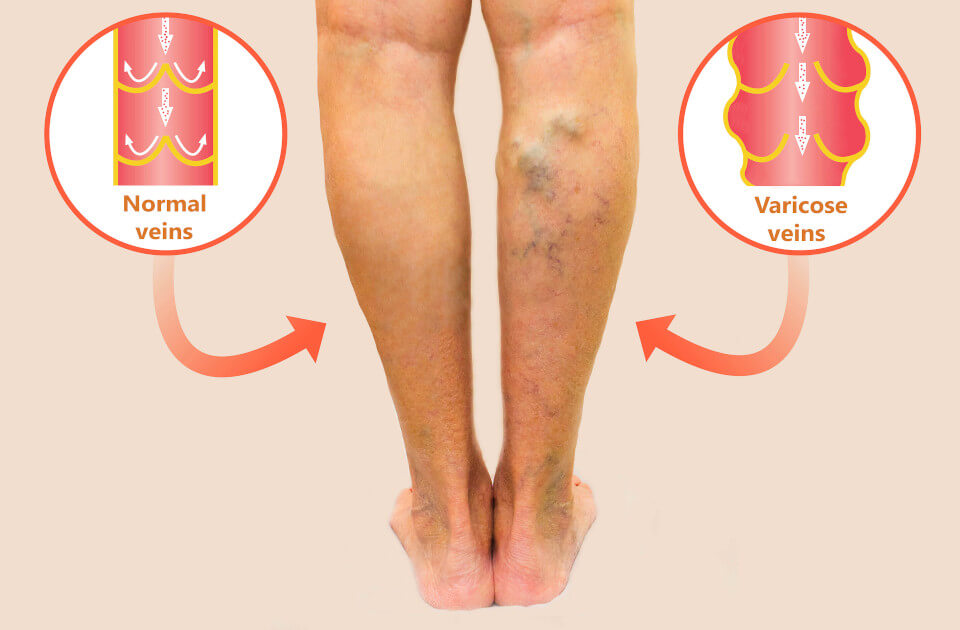
Varicose veins are enlarged, twisted veins that commonly appear on the legs and feet. They may seem like just a cosmetic issue, but they often indicate underlying venous insufficiency, which can cause pain, heaviness, swelling, and skin changes. Varicose veins occur when the tiny valves inside the veins become weak, allowing blood to pool instead of flowing smoothly back to the heart. It is a very common condition, affecting nearly 5–6 out of 10 individuals at some point in their lives.
What Are Varicose Veins?
Varicose veins are superficial veins that become dilated, bulging, and tortuous, typically visible as blue or purple rope-like veins under the skin. They are most commonly seen in the legs because standing and walking increase pressure in the lower limb veins. While some people have only cosmetic concerns, others experience significant discomfort and complications if the condition is left untreated.
Symptoms of Varicose Veins
In addition to visible bulging veins, you may notice:
- Aching, heaviness, or throbbing sensation in the legs
- Swelling in the lower legs or around the ankles
- Itching, burning, or irritation over the affected veins
- Muscle cramps or restlessness in the legs, especially at night
- Skin darkening, thickening, or patches of discoloration
- In severe cases, non-healing skin ulcers around the ankle
Risk Factors for Varicose Veins
Several factors increase the likelihood of developing varicose veins:
- Increasing age and natural wear of vein valves
- Family history of varicose veins or vein disorders
- Female gender (hormonal changes and pregnancy)
- Prolonged standing or sitting due to occupation or lifestyle
- Obesity and lack of regular physical activity
- Pregnancy-related increased pressure on leg veins
Do Varicose Veins Require Treatment?
Not all varicose veins need immediate medical treatment. However, if you have persistent pain, swelling, skin changes, or ulcers, timely intervention is important. When ignored, varicose veins can progress and may lead to:
- Superficial blood clots (thrombophlebitis)
- Chronic leg swelling and heaviness
- Skin darkening, thickening, or eczema-like changes
- Venous leg ulcers near the ankle
- Chronic venous insufficiency
Treatment Options for Varicose Veins
Modern varicose veins treatment is minimally invasive, safe, and highly effective. Based on the severity of your condition, associated symptoms, and ultrasound findings, a personalised treatment plan is recommended. Options include:
- Lifestyle Changes: Leg elevation, weight reduction, regular walking, compression stockings, and avoiding prolonged standing help relieve symptoms.
- Sclerotherapy: A special medication is injected into small or medium-sized veins to close them, causing them to fade gradually.
- Endovenous Laser Therapy (EVLT) / Radiofrequency Ablation (RFA): Heat energy is delivered inside the vein using a catheter to seal the diseased vein without open surgery.
- Glue (Venaseal) Ablation: A medical-grade adhesive is used to close the faulty vein through a needle puncture, offering rapid recovery and minimal discomfort.
- Vein Stripping / Phlebectomy: In selected cases, surgical removal of prominent varicose veins or segments is done through tiny incisions.
Choosing the Right Treatment for You
The best treatment depends on your symptoms, vein pattern, ultrasound findings, and overall health. Our vascular specialist evaluates the severity of venous reflux and recommends a customised, evidence-based treatment plan to give you long-term relief, better leg appearance, and improved quality of life.
If you are experiencing leg pain, visible bulging veins, or skin changes around the ankle, don’t ignore these warning signs. Early consultation and treatment can prevent complications such as ulcers and chronic venous insufficiency.
Varicose Veins Treatment in BTM Layout – Advanced Vein Care
At our Varicose Veins Treatment Clinic in BTM Layout, we provide advanced, minimally invasive solutions to treat varicose veins safely and effectively. Our treatments, including endovenous laser therapy and sclerotherapy, reduce leg pain, swelling, and improve blood circulation. Sugathi Liver & Vascular Clinic ensures precise care with quick recovery, expert guidance, and long-lasting results for healthier legs.
More Services

Dr. Gurunathreddy B
Vascular and Endovascular Surgeon
Varicose Veins Treatment FAQs
Relief, Results & Recovery
Get answers to common questions about varicose veins, when to seek treatment, and what to expect from modern minimally invasive procedures.
-
Safe, minimally invasive vein treatments
-
Target both cosmetic and medical concerns
Tired of leg heaviness,
swelling or visible veins?
Get a specialist vein evaluation
Are varicose veins dangerous?
Varicose veins are not always dangerous, but when associated with pain, swelling, or skin changes, they indicate venous insufficiency. Untreated, they can lead to ulcers, clots, and long-term leg damage.
Is treatment painful or does it need admission?
Most modern treatments like EVLT, RFA, or glue ablation are minimally invasive, performed under local or short anesthesia. They are usually day-care procedures, and most patients go home the same day.
Will my veins come back after treatment?
Treated veins are usually closed permanently. However, if you have a strong family history, obesity, or prolonged standing, new varicosities may develop over time. Regular follow-up and lifestyle changes help reduce recurrence.
When should I see a vascular specialist?
If you have leg heaviness, swelling, visible bulging veins, itching around the ankles, skin darkening, or any non-healing wound near the ankle, you should consult a vascular specialist for timely evaluation and treatment.

.png)
.png)