Endovascular Treatments: Advanced, Minimally Invasive Vascular Care
Endovascular treatments are minimally invasive procedures performed inside the blood vessels using catheters, guidewires, balloons, and stents. Instead of open surgery, these techniques use small punctures in the skin to reach blocked or weakened arteries and veins. Endovascular procedures are commonly used to treat conditions such as peripheral arterial disease (PAD), aortic aneurysms, carotid artery disease, deep vein thrombosis, and other complex vascular problems, allowing faster recovery and reduced hospital stay.
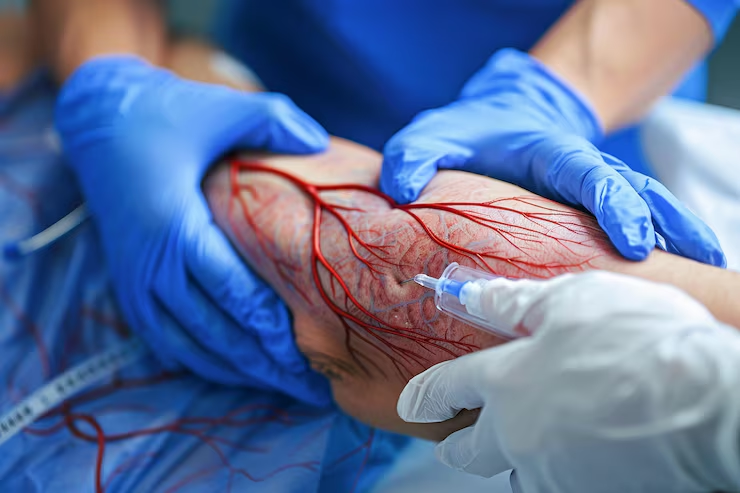
Conditions Commonly Treated with Endovascular Procedures
Endovascular techniques can be used in a wide range of arterial and venous diseases, including:
- Peripheral Arterial Disease (PAD) of the legs.
- Aortic aneurysms (abdominal or thoracic).
- Carotid artery narrowing causing stroke risk.
- Renal and mesenteric artery stenosis.
- Deep Vein Thrombosis (DVT) and complex venous blockages.
Types of Endovascular Treatments
- Angioplasty: A small balloon is inflated inside the narrowed artery to widen it and restore blood flow.
- Stent Placement: A metal mesh tube (stent) is placed to keep the artery open after angioplasty.
- Thrombolysis / Thrombectomy: Dissolving or removing blood clots from arteries or veins.
- Endovascular Aneurysm Repair (EVAR/TEVAR): Placing a stent graft inside an aneurysm to prevent rupture.
- Embolisation: Blocking abnormal or bleeding vessels using coils or particles.
How Are Endovascular Procedures Performed?
These procedures are typically performed in a specialised catheterisation lab or hybrid operating theatre:
- A small puncture is made in the groin, wrist, or arm to access an artery or vein.
- Thin catheters and guidewires are gently navigated under X-ray guidance to the diseased area.
- Angiograms (dye-based imaging) are used to visualise blockages or aneurysms.
- Angioplasty, stenting, clot removal, or stent graft placement is then performed as required.
Benefits of Endovascular Treatments
- Smaller incisions and less pain compared to open surgery.
- Shorter hospital stay and faster recovery.
- Lower risk of wound complications and infections.
- Suitable for high-risk patients unfit for major surgery.
- Precise treatment guided by real-time imaging.
Recovery and Follow-Up
Most patients can start walking within hours to a day after the procedure, depending on the complexity of treatment. You may be advised to limit strenuous activity briefly, take blood-thinning medications, and manage risk factors such as diabetes, cholesterol, and blood pressure. Regular follow-up with vascular imaging ensures that stents and treated vessels remain open and functioning well.
Endovascular treatments have transformed the way many vascular diseases are managed, offering safer and less invasive options with excellent outcomes. If you have been diagnosed with a vascular condition or are experiencing symptoms such as leg pain, non-healing ulcers, or aneurysm-related discomfort, our vascular team can assess your suitability for endovascular therapy and design a personalised treatment plan.
Endovascular Surgeon in BTM Layout – Advanced Vascular Care
Looking for a trusted
Endovascular Surgeon in BTM Layout? Our clinic provides minimally invasive procedures to treat
vascular conditions safely and effectively. From angioplasty
and stenting to advanced imaging, our expert team ensures
precise diagnosis and treatment.
At Sugathi Liver & Vascular Clinic, we focus on patient
safety, fast recovery, and long-term vascular health. Whether
it's blocked arteries, aneurysms, or varicose veins, our
endovascular treatments offer the latest solutions for
improved quality of life.
More Services
- Understanding Varicose Veins
- Lower Limb Arterial Diseases (PAD)
- Endovascular Treatments
- Dialysis Access Procedures
- Vascular Malformations
- Carotid Disease
- Treating Leg Ulcers
- Treatment of Swollen Legs
- Vascular Trauma
- Portal Mesenteric Vascular Diseases
- Aortic Aneurysm
- Diabetic Foot Ulcer
- Understanding Deep Vein Thrombosis
- Cervical Rib and Thoracic Outlet Syndrome
- Peripheral Vascular Disease
- Mesenteric Ischaemia

Dr. Gurunathreddy B
Vascular and Endovascular Surgeon
Endovascular Treatments – FAQs
Common Questions, Clear Answers
Learn how minimally invasive endovascular procedures can help
treat complex vascular diseases.
These FAQs explain what to expect before, during, and after
treatment.
-
Clear information on the most common endovascular procedures
-
Helping you understand benefits, safety, and recovery

If you have any other
questions about endovascular care, please
contact us here
What are endovascular treatments?
Endovascular treatments are minimally invasive procedures performed inside the blood vessels using catheters, balloons, stents, and special devices. They help open blocked arteries, repair aneurysms, remove clots, or block abnormal vessels without the need for large surgical cuts, leading to faster recovery and less discomfort.
Is endovascular treatment safe?
When performed by an experienced vascular and endovascular surgeon, these procedures are generally very safe. As with any intervention, there are risks such as bleeding, contrast allergy, or vessel injury, but careful planning, imaging, and monitoring help minimise complications and improve outcomes.
How long does it take to recover after an endovascular procedure?
Recovery is usually much quicker than open surgery. Many patients can walk within a few hours and may go home the same day or after 1–2 days of observation, depending on the complexity of the procedure. Your doctor will guide you on activity restrictions, medications, and follow-up visits.
Who is a good candidate for endovascular treatment?
Patients with blocked arteries in the legs, carotid artery narrowing, aneurysms, or blood clots in veins may be candidates for endovascular therapy. Suitability depends on the location and severity of disease, overall health, and imaging findings. A detailed vascular evaluation is essential to decide the best treatment approach for you.

.png)
.png)