Aneurysm Repair: Preventing Rupture and Restoring Vascular Safety
Aneurysm repair is a critical vascular procedure performed to treat weakened or bulging arteries that pose the risk of rupture. Whether located in the aorta, brain, or peripheral arteries, untreated aneurysms can lead to severe internal bleeding or life-threatening complications. Advanced endovascular techniques and open surgical repair help reinforce the arterial wall, restore normal blood flow, and prevent life-threatening rupture. Early diagnosis followed by timely intervention is essential for the best possible outcome.
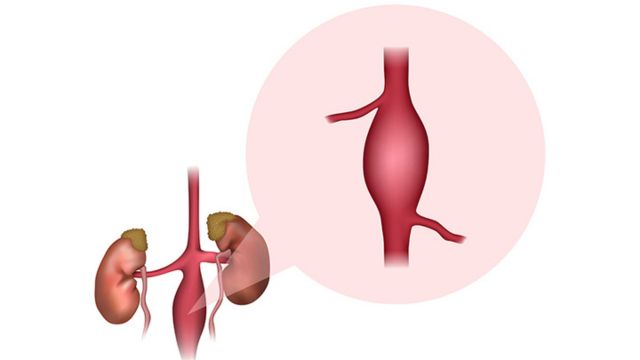
Types of Aneurysm Repair Procedures
The best repair technique depends on the aneurysm’s location, size, shape, and overall health of the patient:
- Endovascular Aneurysm Repair (EVAR): A minimally invasive method using a stent-graft placed inside the artery to reinforce the weakened section.
- Thoracic Endovascular Aneurysm Repair (TEVAR): Recommended for aneurysms in the chest area (thoracic aorta).
- Open Surgical Aneurysm Repair: A traditional but effective surgery where the bulging artery is replaced with a synthetic graft.
- Cerebral Aneurysm Repair: Includes coiling, stenting, or surgical clipping to prevent rupture inside the brain.
When Do You Need Aneurysm Repair?
- Aneurysm size crossing the danger threshold (based on location).
- Rapid growth of the aneurysm on repeated scans.
- Symptoms such as back pain, chest pain, or abdominal pain.
- Aneurysm present with high rupture risk (family history, smoking, BP).
- Dissection or leakage detected in imaging.
How Aneurysm Repair Is Performed
The choice of technique depends on aneurysm size and anatomical suitability. Most modern treatments use endovascular methods:
- Endovascular Repair: A stent-graft is inserted through a small groin incision and positioned inside the artery to seal off the aneurysm.
- Open Repair: The damaged portion of the artery is surgically removed and replaced with a durable synthetic graft.
- Cerebral Coiling/Stenting: Tiny coils or stents block blood flow into a brain aneurysm to prevent rupture.
Benefits of Aneurysm Repair
- Prevents life-threatening aneurysm rupture.
- Reduces risk of internal bleeding or stroke.
- Restores normal blood circulation.
- Less recovery time with endovascular methods.
- Improves long-term survival and vascular stability.
Warning Signs That Need Immediate Medical Attention
If you have an aneurysm, seek urgent medical help if you experience:
- Sudden severe abdominal, back, or chest pain.
- Sudden headache (for suspected brain aneurysm).
- Dizziness, fainting, or low blood pressure.
- Rapid heartbeat or difficulty breathing.
- Symptoms of stroke—weakness, slurred speech, vision issues.
Aneurysm repair is a vital step in preventing a life-threatening rupture. Our vascular team provides advanced endovascular stent grafting, open repair, and cerebral aneurysm management with high precision and safety. Schedule a consultation today for specialised evaluation and personalised treatment planning.
Aortic Aneurysm Repair in HSR Layout – Advanced Vascular Care
At our Aortic Aneurysm Repair in HSR Layout center, we specialize in minimally invasive endovascular procedures. Our expert team ensures precise aneurysm repair, reducing risks and promoting faster recovery. Using advanced imaging and cutting-edge techniques, we provide safe and effective care for patients with aortic aneurysms.
More Services

Dr. Gurunathreddy B
Vascular and Endovascular Surgeon
Aneurysm Repair – FAQs
Clear Answers for Better Safety
Learn about aneurysm types, treatment options, and recovery.
These FAQs help patients and families understand the safest
path to aneurysm management.
-
Understand endovascular vs open aneurysm repair
-
Learn warning signs and when to seek emergency help

If you have any questions
about aneurysm safety or treatment,
please contact us here
Which aneurysms require urgent repair?
Large, fast-growing, symptomatic, or leaking aneurysms need immediate repair to prevent rupture. Aneurysms above size thresholds—especially abdominal or thoracic—are considered high risk.
Is endovascular repair better than open surgery?
Endovascular repair is minimally invasive, requires small incisions, and offers quicker recovery. However, open repair is recommended for certain anatomical conditions or in young patients needing long-term durability.
How long does recovery take after aneurysm repair?
Endovascular recovery usually takes 1–2 weeks, while open surgery may require 4–8 weeks. A follow-up scan is necessary to ensure the repair remains stable.
Can aneurysms be treated without surgery?
Small aneurysms may be monitored with regular imaging and managed through blood pressure control and lifestyle modification. But once they reach dangerous size, repair is strongly recommended.

.png)
.png)