Understanding Varicose Veins: Symptoms, Risks & Modern Treatments
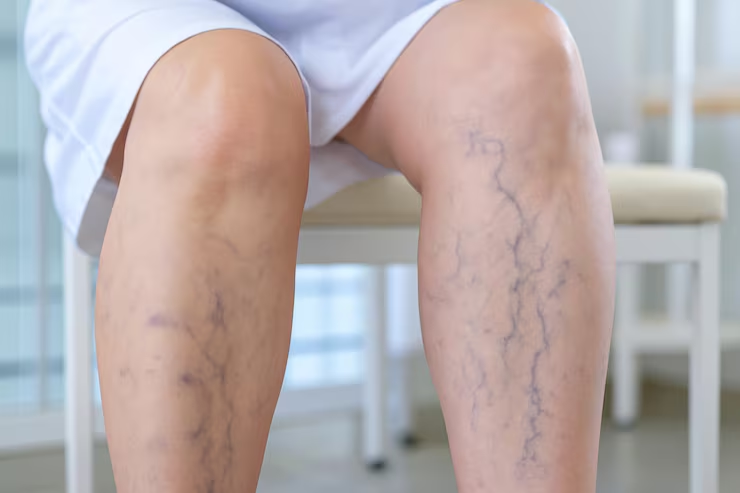
Varicose veins are enlarged, twisted veins that most commonly appear on the legs and feet. While many people see them as a cosmetic concern, varicose veins can also be a sign of underlying venous disease that may cause pain, swelling, and long-term complications. They occur when the valves inside the veins become weak or damaged, causing blood to pool instead of flowing smoothly back to the heart. It is a very common condition and can affect 5-6 out of 10 individuals.
What Are Varicose Veins?
Varicose veins are superficial veins that become enlarged, bulging, and visible beneath the skin, often appearing bluish or purple and rope-like. They usually develop in the legs due to prolonged standing, gravity, and weak vein valves. Over time, untreated varicose veins can cause discomfort, skin changes, and even ulcers.
Common Symptoms of Varicose Veins
Although varicose veins are often visible, some patients may notice symptoms even before the veins become very prominent. You may experience:
- Aching, heaviness, or throbbing in the legs
- Swelling in the lower legs or around the ankles
- Itching, burning, or tingling near the affected veins
- Muscle cramps or restlessness in the legs, especially at night
- Skin darkening, dryness, or eczema around the ankles in advanced cases
- In severe cases, painful skin changes or leg ulcers
Who Is at Risk of Varicose Veins?
Several factors can increase your risk of developing varicose veins:
- Age: Vein valves weaken naturally over time.
- Family history: A strong hereditary tendency.
- Gender: More common in women due to hormonal influences.
- Prolonged standing or sitting: Jobs that require long hours on your feet or sitting in one position.
- Obesity: Excess weight puts extra pressure on the leg veins.
- Pregnancy: Increased blood volume and hormonal changes can weaken veins.
Do Varicose Veins Require Treatment?
Not all varicose veins require medical intervention. However, if they cause pain, swelling, skin changes, or recurrent bleeding, or if there is a risk of complications, treatment becomes essential. If left untreated, varicose veins can progress and lead to:
- Superficial blood clots (thrombophlebitis)
- Chronic leg swelling and heaviness
- Skin darkening and hardening around the ankle
- Non-healing venous leg ulcers
- Chronic venous insufficiency
Treatment Options for Varicose Veins
Thanks to advances in vascular care, varicose vein treatments are now minimally invasive, highly effective, and usually performed as day-care procedures:
- Lifestyle Changes: Weight management, leg elevation, regular walking, and avoiding prolonged standing/sitting help reduce symptoms.
- Compression Stockings: Medical-grade stockings improve venous return and relieve heaviness and swelling.
- Sclerotherapy: Injection of a special solution into small or medium veins to close them safely.
- Endovenous Laser Therapy (EVLT) / Radiofrequency Ablation (RFA): Minimally invasive procedures that seal the faulty vein from within using heat energy.
- Glue (VenaSeal) Ablation: A modern technique that uses a medical adhesive to close the diseased vein without the need for heat or multiple injections.
- Vein Stripping / Phlebectomy: Surgical removal of large or tortuous veins, usually reserved for selected advanced cases.
Your treatment plan is personalised based on your symptoms, vein scan findings, occupation, and cosmetic expectations to ensure safe and long-lasting results.
Why Treating Varicose Veins Early Matters
Early evaluation and treatment of varicose veins can prevent complications, improve leg comfort, and enhance your confidence in daily life. Modern techniques allow quick recovery with minimal downtime, enabling you to return to work and routine activities soon after treatment.
If you notice bulging veins, leg heaviness, or skin changes around your ankles, it is important to consult a vascular specialist. We offer detailed vein assessment, duplex ultrasound evaluation, and advanced, personalised treatment options to restore healthy circulation and improve your leg comfort.
Varicose Veins Laser Treatment in Jp Nagar - Advanced Care
Our Varicose Veins Laser Treatment in Jp Nagar offers a safe and minimally invasive solution for bulging veins. Using advanced laser technology, we close damaged veins effectively, reducing pain, swelling, and improving the appearance of your legs. At Sugathi Liver & Vascular Clinic, we ensure faster recovery, long-lasting results, and personalized care for every patient.
More Services
- Understanding Varicose Veins
- Lower Limb Arterial Diseases (PAD)
- Endovascular Treatments
- Dialysis Access Procedures
- Vascular Malformations
- Carotid Disease
- Treating Leg Ulcers
- Treatment of Swollen Legs
- Vascular Trauma
- Portal Mesenteric Vascular Diseases
- Aortic Aneurysm
- Diabetic Foot Ulcer
- Understanding Deep Vein Thrombosis
- Cervical Rib and Thoracic Outlet Syndrome
- Peripheral Vascular Disease
- Mesenteric Ischaemia

Dr. Gurunathreddy B
Vascular and Endovascular Surgeon
Varicose Veins - FAQs
Common Questions, Clear Answers
1. What are varicose veins?
Varicose veins are enlarged, twisted veins that commonly occur in the legs due to weakened vein valves, causing blood to pool in the veins.
2. What causes varicose veins?
Common causes include:
- Family history
- Prolonged standing or sitting
- Pregnancy
- Obesity
- Aging
- Lack of physical activity
3. What are the symptoms of varicose veins?
Symptoms may include:
- Visible bulging veins
- Leg pain or heaviness
- Swelling around the ankles
- Burning or itching sensation
- Night cramps
- Skin discoloration around the ankle
4. Are varicose veins only a cosmetic problem?
No. While some people are concerned about appearance, untreated varicose veins can lead to swelling, skin changes, eczema, bleeding, ulcers, and blood clots.
5. Are varicose veins dangerous?
Most are not life-threatening, but they can cause significant discomfort and complications if left untreated.
6. Can varicose veins disappear on their own?
No. Once a vein becomes varicose, it usually does not disappear without treatment.
7. Is walking good for varicose veins?
Yes. Walking improves calf muscle function, which helps pump blood back toward the heart and reduces symptoms.
8. Can exercise worsen varicose veins?
Most exercises are beneficial. Walking, cycling, and swimming are especially helpful. Heavy weightlifting may temporarily increase vein pressure.
9. Does standing for long hours cause varicose veins?
Long periods of standing can increase the risk and worsen existing varicose veins.
10. Are varicose veins hereditary?
Yes. A family history significantly increases the likelihood of developing varicose veins.
11. Can young people get varicose veins?
Yes. Although more common after age 30, varicose veins can occur in younger adults, especially if there is a strong family history.
12. Do varicose veins occur only in women?
No. Men can also develop varicose veins, although they are more common in women.
13. Can pregnancy cause varicose veins?
Yes. Pregnancy increases blood volume and hormone levels, which can lead to varicose veins.
14. Are compression stockings a permanent solution?
No. Compression stockings help relieve symptoms and slow progression but do not eliminate varicose veins.
15. When should I see a vascular surgeon?
Consult a vascular surgeon if you have:
- Leg pain or heaviness
- Swelling
- Skin discoloration
- Non-healing wounds
- Bleeding from veins
- Recurrent varicose veins
16. How are varicose veins diagnosed?
A clinical examination and a venous Doppler ultrasound are usually sufficient to diagnose the condition and plan treatment.
17. Is Doppler ultrasound painful?
No. It is a painless, non-invasive test that uses sound waves to assess blood flow in the veins.
18. What are the treatment options available?
Treatment options include:
- Lifestyle modification
- Compression stockings
- Endovenous Laser Ablation (EVLA)
- Radiofrequency Ablation (RFA)
- Glue Ablation (VenaSeal)
- Sclerotherapy
- Surgical treatment (selected cases)
19. Is laser treatment painful?
Laser treatment is usually performed under local or spinal anesthesia and causes minimal discomfort.
20. How long does laser treatment take?
Most procedures take 30-60 minutes and are performed as day-care procedures.
21. Will I need admission to the hospital?
Most modern treatments are day-care procedures, allowing patients to go home the same day.
22. Can varicose veins come back after treatment?
Proper treatment has high success rates, but new varicose veins can develop over time, especially if risk factors persist.
23. What happens if varicose veins are left untreated?
Complications may include:
- Chronic swelling
- Skin pigmentation
- Venous eczema
- Bleeding
- Venous ulcers
- Superficial thrombophlebitis
24. Can varicose veins cause leg ulcers?
Yes. Advanced varicose veins can cause venous ulcers, especially around the ankle.
25. Is laser treatment better than surgery?
For most patients, laser treatment offers:
- Smaller incisions
- Less pain
- Faster recovery
- Better cosmetic results
- Earlier return to work
26. How soon can I return to work after treatment?
Most patients resume normal activities within 1-3 days after laser treatment.
27. Can I travel after varicose vein treatment?
Most patients can travel within a few days, depending on the procedure and recovery.
28. Can diet cure varicose veins?
No diet can cure varicose veins, but maintaining a healthy weight and high-fiber diet may help prevent progression.
29. Are varicose veins preventable?
You can reduce the risk by:
- Regular walking and exercise
- Maintaining a healthy weight
- Avoiding prolonged standing or sitting
- Elevating legs when resting
- Using compression stockings when advised
30. Is treatment covered by insurance?
Many insurance policies cover treatment when varicose veins cause symptoms or complications. Coverage varies between insurers.

.png)
.png)