Aortic Aneurysm: Causes, Symptoms, and Advanced Treatment Options
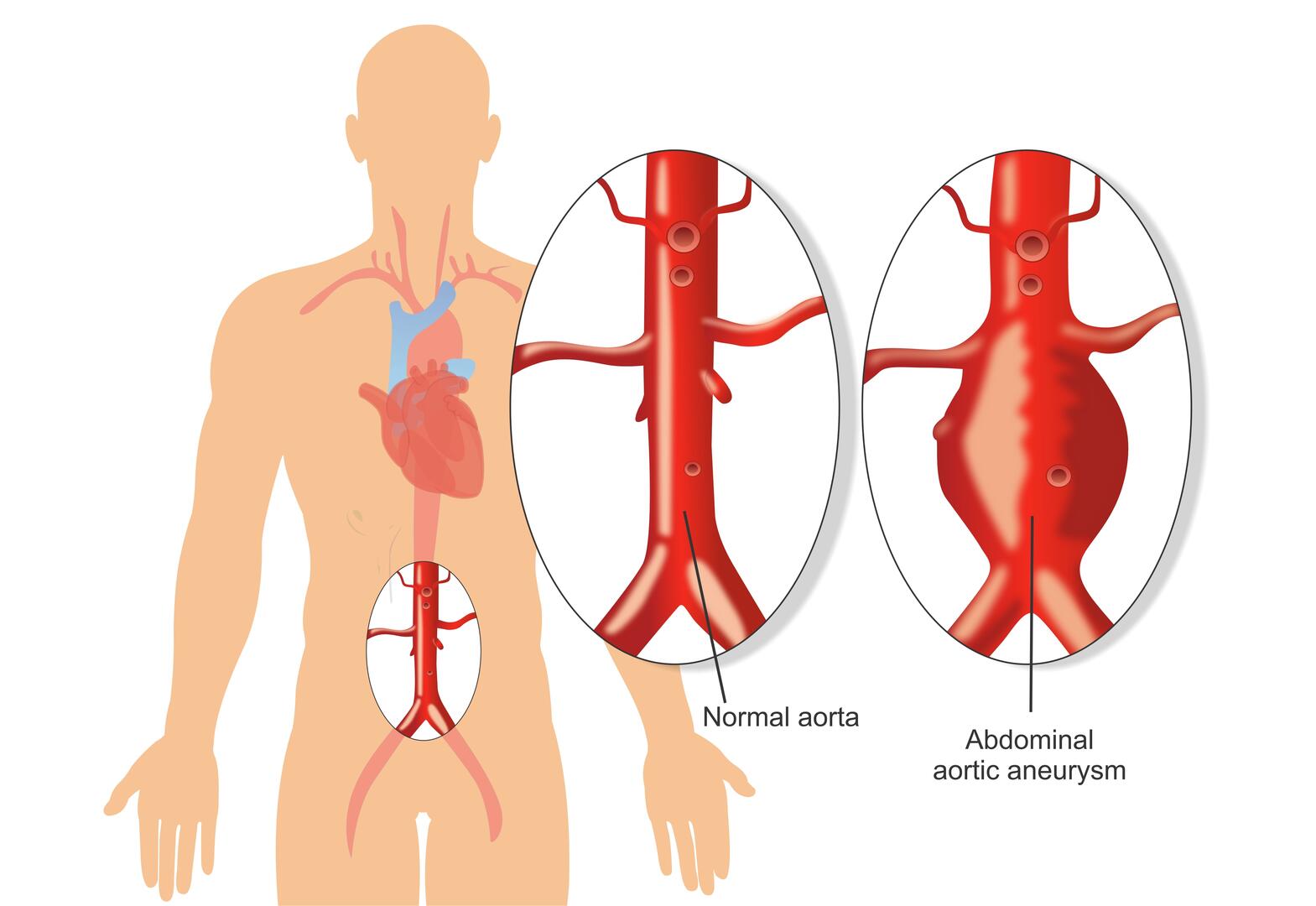
An aortic aneurysm is a serious vascular condition where a section of the aorta—your body’s largest blood vessel—weakens and bulges outward. Because the aorta supplies oxygen-rich blood from the heart to the entire body, any structural damage can lead to life-threatening complications. With timely diagnosis and advanced treatment, however, most complications can be prevented, and long-term outcomes significantly improved.
Types of Aortic Aneurysms
- Abdominal Aortic Aneurysm (AAA): Develops in the portion of the aorta that runs through the abdomen. This is the most common type.
- Thoracic Aortic Aneurysm (TAA): Occurs in the section of the aorta located in the chest.
- Thoracoabdominal Aneurysm: A combination of both abdominal and thoracic involvement.
What Causes an Aortic Aneurysm?
Although the exact cause may vary, the following factors significantly increase the risk:
- Smoking and long-term tobacco exposure.
- High blood pressure that weakens arterial walls.
- Atherosclerosis (plaque buildup).
- Genetic conditions such as Marfan or Ehlers–Danlos syndrome.
- Family history of aneurysms.
- Aging, especially in men over the age of 65.
Warning Signs and Symptoms
Aortic aneurysms often grow silently and may not cause symptoms until they are large or close to rupturing. When symptoms do occur, they may include:
- Pulsating sensation in the abdomen (common in AAA).
- Persistent or severe chest, back, or abdominal pain.
- Shortness of breath or difficulty swallowing (TAA).
A ruptured aneurysm causes sudden, intense pain, dizziness, and loss of consciousness. This is a medical emergency that requires immediate intervention.
Why Early Detection Is Critical
Early screening helps detect aneurysms before they become life-threatening. Through advanced diagnostic tools such as ultrasound, CT scans, and MRI angiography, we can identify aneurysms early and plan appropriate treatment to prevent rupture.
Treatment Options
1. Monitoring & Medical Management
- Regular imaging to monitor aneurysm size and growth.
- Medications to control blood pressure and reduce strain on the aorta.
- Lifestyle changes including smoking cessation and cholesterol control.
2. Minimally Invasive Endovascular Repair (EVAR/TEVAR)
- A stent graft is inserted through a small incision in the groin to reinforce the weakened portion of the aorta.
- Faster recovery, less pain, and reduced hospital stay compared to open surgery.
3. Open Surgical Repair
- Recommended for large or complex aneurysms, or when endovascular repair is not suitable.
- The damaged portion of the aorta is replaced with a synthetic graft for long-term durability.
Take Control of Your Vascular Health
If you're over 65, have a history of smoking, or have a family history of aneurysms, it’s important to undergo regular screening. With expert care, early detection, and state-of-the-art treatment, you can significantly reduce your risk of complications and protect your overall health.
Our vascular specialist provides compassionate, advanced care to ensure your aorta—and your health—remains strong for years to come. Book a consultation today for a detailed evaluation and personalised treatment plan.
Aortic Aneurysm Treatment in Banashankari – Advanced Vascular Care
Aortic Aneurysm Treatment in Banashankari
focuses on early diagnosis and advanced management to prevent
life-threatening complications. At
Sugathi Liver & Vascular Clinic , we offer comprehensive evaluation and minimally invasive
endovascular procedures for both abdominal and thoracic aortic
aneurysms.
Our clinic uses state-of-the-art imaging and endovascular
techniques to ensure precise treatment, reduced surgical risk,
and faster recovery. Under the expertise of Dr. Gurunath
Reddy, patients receive personalized care aimed at long-term
vascular health and improved quality of life.
More Services
- Understanding Varicose Veins
- Lower Limb Arterial Diseases (PAD)
- Endovascular Treatments
- Dialysis Access Procedures
- Vascular Malformations
- Carotid Disease
- Treating Leg Ulcers
- Treatment of Swollen Legs
- Vascular Trauma
- Portal Mesenteric Vascular Diseases
- Aortic Aneurysm
- Diabetic Foot Ulcer
- Understanding Deep Vein Thrombosis
- Cervical Rib and Thoracic Outlet Syndrome
- Peripheral Vascular Disease
- Mesenteric Ischaemia

Dr. Gurunathreddy B
Vascular and Endovascular Surgeon
Aortic Aneurysm – FAQs
Common Questions, Clear Answers
Understand the risks, symptoms, and treatment options for abdominal and thoracic aortic aneurysms. These FAQs help you recognise when timely screening and intervention are essential.
-
Learn the warning signs before complications occur
-
Know your options for minimally invasive and surgical repair

If you have risk factors or severe pain,
schedule a screening or consultation
with our vascular specialist
Who is most at risk of developing an aortic aneurysm?
People over 65, especially men, smokers, and those with high blood pressure, high cholesterol, or a family history of aneurysms are at the highest risk. Genetic conditions like Marfan syndrome also increase risk significantly.
Can an aortic aneurysm go away on its own?
No. Aneurysms do not shrink naturally. However, their growth can be slowed with proper medical management, lifestyle changes, and regular monitoring. Larger aneurysms require EVAR/TEVAR or surgical repair to prevent rupture.
When is surgery required for an aortic aneurysm?
Surgery or EVAR/TEVAR is usually recommended when an aneurysm becomes large (typically over 5.0–5.5 cm), grows rapidly, or causes symptoms such as pain. Ruptured aneurysms require immediate emergency surgery.
How do I know if I need screening?
Screening is recommended if you are over 65, have smoked at any point, or have a family history of aneurysms. People with genetic disorders or long-term high blood pressure should also undergo regular evaluation.

.png)
.png)