Treating Leg Ulcers: Advanced Vascular Care for Faster Healing
Leg ulcers are open wounds on the lower legs that fail to heal within a few weeks. They commonly occur due to poor blood circulation, venous insufficiency, arterial disease, diabetes, or infections. Because leg ulcers can worsen over time and lead to serious complications, timely evaluation by a vascular specialist is essential. Early treatment improves healing, prevents recurrence, and protects limb health.
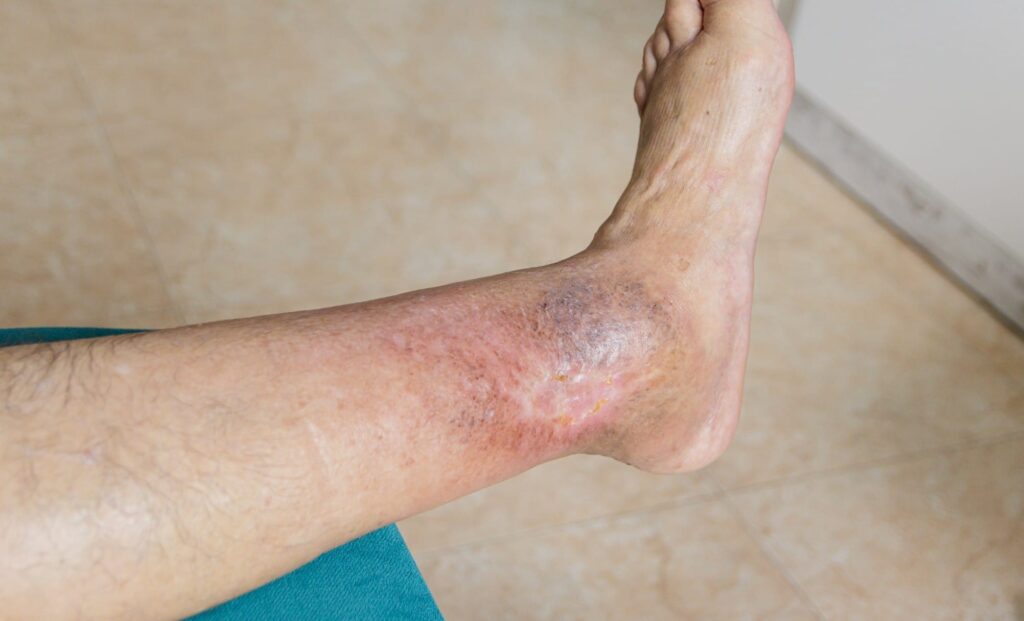
What Causes Leg Ulcers?
Leg ulcers develop due to underlying conditions that reduce blood flow or damage tissues. Common causes include:
- Venous Insufficiency: The most common cause, due to weak or damaged veins leading to blood pooling.
- Peripheral Arterial Disease (PAD): Reduced arterial blood flow causing tissue damage.
- Diabetes: Poor circulation and nerve damage increase the risk of foot and leg ulcers.
- Infections: Bacterial or fungal infections can delay healing.
- Trauma or Skin Injury: Minor wounds may fail to heal due to poor circulation.
Symptoms of Leg Ulcers
- Open wounds or sores on the lower leg or ankle.
- Pain, swelling, or heaviness in the legs.
- Skin discoloration or hardening around the ulcer.
- Fluid discharge or signs of infection.
- Varicose veins or visible swollen veins nearby.
Diagnosis
A thorough diagnosis ensures proper treatment. Tests may include:
- Doppler Ultrasound: Evaluates blood flow and vein function.
- ABI / Arterial Studies: Measures blood pressure in legs to check for PAD.
- Blood Tests: Screens for diabetes, infection, or poor nutrition.
- Wound Culture: Identifies bacteria in infected ulcers.
Treatment Options
1. Wound Care & Dressings
- Advanced dressings to promote healing and control infection.
- Debridement to remove dead or infected tissue.
2. Improving Blood Flow
- Compression Therapy for venous ulcers.
- Angioplasty and stenting for arterial blockages.
- Bypass surgery for severe arterial disease.
3. Infection Control
- Antibiotics for bacterial infections.
- Topical antiseptics to maintain wound hygiene.
4. Managing Underlying Conditions
- Diabetes management.
- Cholesterol and blood pressure control.
- Lifestyle guidance including smoking cessation and healthy diet.
Why Early Treatment Matters
Untreated leg ulcers can lead to infections, tissue damage, mobility issues, and even severe complications such as cellulitis or gangrene. Early vascular assessment improves healing outcomes and prevents recurrence. A tailored treatment plan ensures long-term leg health.
Our vascular specialists provide comprehensive evaluation and advanced care for all types of leg ulcers. Whether caused by venous problems, arterial disease, or diabetes, we offer personalised treatment to promote optimal healing and prevent future complications. Book a consultation today for expert ulcer management.
Leg Ulcer Treatment in JP Nagar – Expert Vascular Care
Chronic leg ulcers require precise vascular management for effective healing. At our Leg Ulcer Treatment in JP Nagar clinic, we provide advanced wound care, compression therapy, and minimally invasive procedures to treat ulcers and prevent recurrence. Sugathi Liver & Vascular Clinic ensures expert care with a focus on patient safety, comfort, and quick recovery. Our team evaluates underlying causes such as venous insufficiency, diabetes, or peripheral artery disease to deliver personalized treatment plans for optimal results.
More Services
- Understanding Varicose Veins
- Lower Limb Arterial Diseases (PAD)
- Endovascular Treatments
- Dialysis Access Procedures
- Vascular Malformations
- Carotid Disease
- Treating Leg Ulcers
- Treatment of Swollen Legs
- Vascular Trauma
- Portal Mesenteric Vascular Diseases
- Aortic Aneurysm
- Diabetic Foot Ulcer
- Understanding Deep Vein Thrombosis
- Cervical Rib and Thoracic Outlet Syndrome
- Peripheral Vascular Disease
- Mesenteric Ischaemia

Dr. Gurunathreddy B
Vascular and Endovascular Surgeon
Treating Leg Ulcers – FAQs
Common Questions, Clear Answers
Understand why leg ulcers develop, how they are treated, and what precautions help prevent recurrence. These FAQs provide clear and practical guidance.
-
Early detection helps prevent infection and worsening ulcers
-
Learn the importance of circulation in wound healing

If you are experiencing a
non-healing leg ulcer or
diabetic wound, contact us here
What is the most common cause of leg ulcers?
Venous insufficiency is the most common cause, where damaged valves in the veins cause blood to pool in the legs. This leads to swelling, skin changes, and eventually open wounds. Arterial disease and diabetes are other major causes.
How long does it take for a leg ulcer to heal?
Healing time depends on the cause, wound size, circulation, and diabetes control. Venous ulcers may heal within weeks to months with proper care, while arterial or diabetic ulcers may take longer and require vascular procedures to improve blood flow.
Can leg ulcers come back after healing?
Yes. Without addressing the underlying cause—especially venous insufficiency or arterial disease—ulcers can recur. Compression therapy, vascular treatment, diabetes control, and lifestyle modifications help reduce recurrence risk significantly.
When should I see a vascular specialist for a leg ulcer?
If your wound has not healed within 2 weeks, appears infected, becomes painful, or if you have diabetes or poor circulation, immediate vascular evaluation is necessary. Early diagnosis improves healing and prevents serious complications.

.png)
.png)