Dialysis Access Procedures: Safe and Reliable Access for Lifesaving Dialysis
Dialysis access procedures create a safe, long-term pathway for blood to flow in and out of your body during haemodialysis. A well-functioning access is essential for effective treatment, preventing complications, and ensuring comfort and safety during dialysis sessions. Depending on your health condition, vascular structure, and long-term treatment needs, different types of dialysis access such as AV Fistula, AV Graft, or Central Venous Catheter may be recommended. Expert evaluation and precise surgical technique are crucial for a strong and durable access.
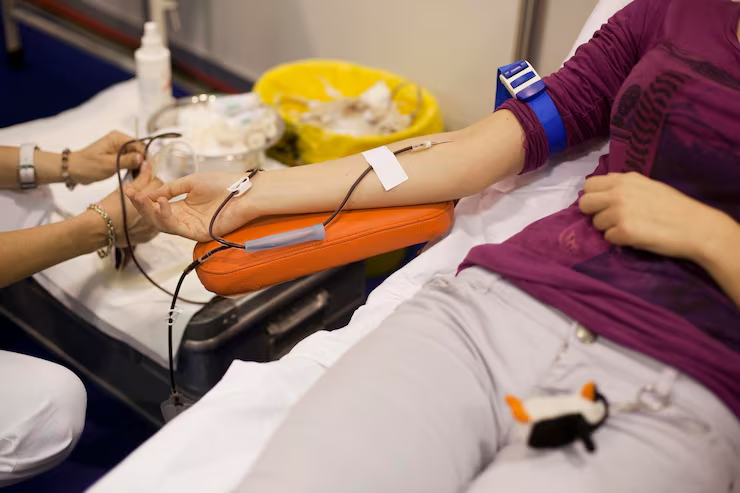
Types of Dialysis Access
Dialysis access options vary depending on the patient's vein condition, urgency of dialysis, and long-term treatment goals:
- Arteriovenous (AV) Fistula: A surgically created connection between an artery and a vein. This is the preferred and most durable access.
- Arteriovenous (AV) Graft: A synthetic tube connecting an artery and vein, used when veins are not suitable for a fistula.
- Central Venous Catheter (CVC): A temporary access placed in the neck or chest for patients needing urgent dialysis.
When Do You Need a Dialysis Access Procedure?
- Chronic kidney disease progressing to end-stage renal failure.
- Immediate need for dialysis due to sudden kidney function deterioration.
- Inadequate vein quality requiring specialised access creation.
- Complications or failure of a previous access site.
How Dialysis Access Procedures Are Performed
The procedure depends on the type of access required. All are performed under local or regional anaesthesia with real-time imaging guidance when necessary:
- **AV Fistula Creation:** An artery is connected to a nearby vein, allowing the vein to enlarge and strengthen over weeks, making it suitable for dialysis.
- **AV Graft Placement:** A soft synthetic graft is inserted between an artery and a vein to provide stable access where veins are unsuitable.
- **Catheter Insertion:** A flexible tube is placed into a major vein for immediate dialysis access, typically used short-term.
Benefits of Proper Dialysis Access
- Ensures efficient and safe dialysis sessions.
- Reduces the risk of infection and clotting.
- Improves long-term survival and quality of life.
- Allows higher blood flow for complete waste removal.
- Provides stable access for months to years (especially fistulas).
Signs Your Dialysis Access Needs Attention
Regular monitoring is essential. Seek immediate evaluation if you notice:
- Reduced thrill or vibration over the fistula/graft.
- Swelling, redness, pain, or warmth around the site.
- Difficulty during dialysis or inadequate flow rates.
- Bleeding, clot formation, or sudden blockages.
A well-functioning dialysis access is the lifeline for patients undergoing regular haemodialysis. Our vascular team provides expert creation, evaluation, and maintenance of AV fistulas, grafts, and catheter access to ensure the safest and most efficient dialysis experience. Schedule a consultation for a personalised assessment and long-term kidney care support.
Dialysis Access Creation in Banashankari – Safe & Reliable Care
At Sugathi Liver & Vascular Clinic in Banashankari, we provide expert dialysis access creation, including arteriovenous fistula and graft procedures. Our minimally invasive approach ensures safe, long-lasting vascular access for hemodialysis patients, with faster recovery and reduced risk of complications. Our team is dedicated to providing precise, personalized care for each patient.
More Services

Dr. Gurunathreddy B
Vascular and Endovascular Surgeon
Dialysis Access Procedures – FAQs
Common Questions, Clear Answers
Learn about AV fistulas, grafts, and catheter access.
These FAQs help patients and families understand the safest
path for dialysis care.
-
Understand the differences between each access option
-
Know when to seek help for access-related complications

If you have any other
concerns about dialysis access, please
contact us here
Which dialysis access is best for long-term use?
An AV Fistula is considered the gold standard for long-term dialysis because it lasts longer, has the lowest infection risk, and provides excellent blood flow. However, the best option depends on your vein condition, age, and overall health.
How soon can I use my AV fistula after surgery?
Most AV fistulas take 6–12 weeks to mature, allowing the vein to thicken and handle dialysis needles. Your doctor will monitor the fistula regularly to ensure it is developing well before use.
What if my veins are not suitable for an AV fistula?
In such cases, an AV Graft is an excellent alternative. It offers reliable access for dialysis, matures faster (usually within 2–3 weeks), and is suitable for patients with small or weak veins.
How do I take care of my dialysis access?
Check the thrill (vibration) daily, avoid heavy lifting with the arm of the fistula/graft, protect the site from injury, and maintain hygiene. Report any pain, swelling, or changes in blood flow immediately to your doctor to prevent complications.

.png)
.png)