Cervical Rib and Thoracic Outlet Syndrome (TOS): Understanding the Connection
A cervical rib is an extra rib that develops above the first rib, arising from the seventh cervical vertebra in the neck. While many people with a cervical rib have no symptoms, in some it can compress nearby nerves or blood vessels, leading to a condition called Thoracic Outlet Syndrome (TOS). TOS affects the space between the collarbone and first rib and can cause pain, numbness, weakness, and circulation problems in the neck, shoulder, and arm. Early recognition and appropriate treatment can prevent long-term disability and improve quality of life.
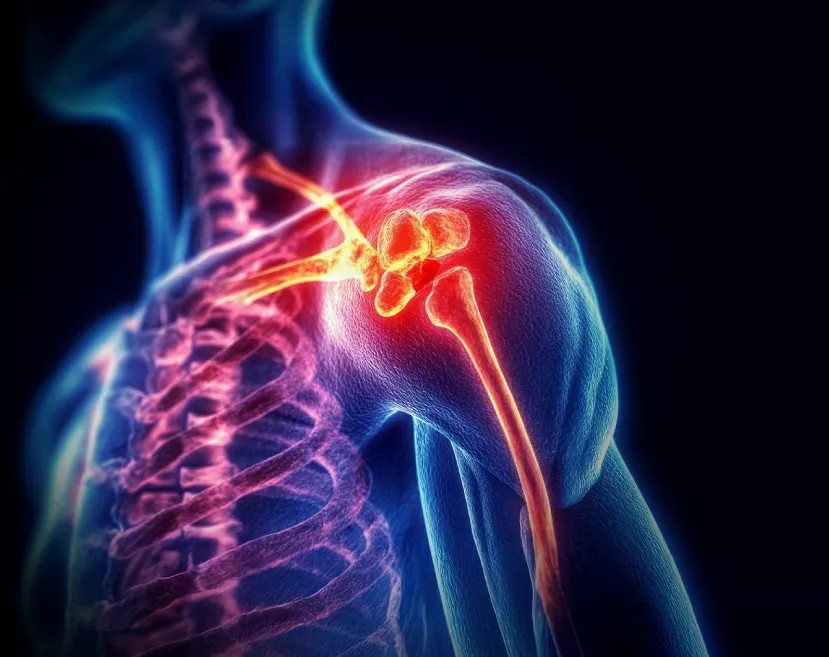
What Is a Cervical Rib?
A cervical rib is an extra rib that forms above the normal first rib, attached to the seventh cervical vertebra in the neck. On its own, it may remain silent and undetected. However, in some individuals it reduces the space in the thoracic outlet and compresses:
- The nerves of the brachial plexus.
- The subclavian artery.
- The subclavian vein.
This compression can lead to neurological or vascular symptoms in the shoulder, arm, and hand.
What Is Thoracic Outlet Syndrome (TOS)?
Thoracic Outlet Syndrome is a group of disorders caused by compression of nerves and/or blood vessels in the thoracic outlet—the space between your collarbone (clavicle) and first rib. TOS may be:
- Neurogenic TOS: Compression of nerves.
- Venous TOS: Compression of veins.
- Arterial TOS: Compression of arteries.
A cervical rib, trauma, posture issues, or repetitive overhead activity can all contribute to TOS.
Causes of Thoracic Outlet Syndrome
Several factors can narrow the thoracic outlet and lead to nerve or vessel compression:
- Cervical rib: The extra rib directly compresses nerves or blood vessels.
- Trauma: Injuries such as whiplash, falls, or clavicle fractures altering anatomy.
- Repetitive movements: Overhead activities in sports or certain occupations.
- Poor posture: Slouching or forward head posture compressing the outlet.
- Congenital abnormalities: Variations in ribs, muscles, or ligaments.
Symptoms of Thoracic Outlet Syndrome
Symptoms depend on whether nerves, veins, or arteries are predominantly affected:
- Neurogenic TOS: Numbness or tingling in the arm and fingers, weakness in the hand or arm, and pain in the neck, shoulder, or arm.
- Venous TOS: Swelling in the arm or hand, bluish discoloration of the skin, heaviness or aching in the arm, and prominent veins.
- Arterial TOS: Coldness or paleness in the hand, weak or absent pulse, and pain or cramping in the hand during activity.
Diagnosing Thoracic Outlet Syndrome
A detailed evaluation is essential to confirm TOS and identify its cause:
- Physical examination: Special manoeuvres to reproduce symptoms and assess nerve or vessel compression.
- Imaging tests: X-ray, CT, or MRI to detect a cervical rib or structural abnormalities.
- Nerve studies: Electromyography (EMG) and nerve conduction tests to assess nerve function.
- Vascular studies: Doppler ultrasound, CT/MR angiography, or conventional angiography to evaluate blood flow.
Treatment Options for Thoracic Outlet Syndrome
Treatment is tailored to the type of TOS, severity of symptoms, and underlying cause such as a cervical rib.
1. Conservative (Non-surgical) Treatment
- Physical therapy: Posture correction, stretching, and strengthening exercises to reduce compression.
- Pain management: Anti-inflammatory medicines, muscle relaxants, or nerve pain medications.
- Lifestyle modifications: Avoiding repetitive overhead movements, heavy lifting, and improving workstation ergonomics.
2. Surgical Treatment
- Removal of a cervical rib or first rib in selected cases.
- Release of tight muscles or fibrous bands compressing nerves or vessels.
- Thoracic outlet decompression procedures to relieve pressure and restore function.
3. Vascular Interventions
- Blood thinners in cases with associated venous thrombosis.
- Angioplasty or stent placement for arterial narrowing or damage.
- Combined surgical and endovascular approaches in complex vascular TOS.
Preventing Thoracic Outlet Syndrome
While anatomical causes like a cervical rib cannot be prevented, you can reduce the risk of symptoms by:
- Maintaining good posture and avoiding prolonged slouching.
- Avoiding repetitive overhead activities or adjusting technique where possible.
- Doing regular stretching and strengthening exercises for neck, shoulder, and upper back muscles.
- Using ergonomic workstations and supportive seating.
Why Early Treatment Matters
If left untreated, Thoracic Outlet Syndrome can lead to chronic pain, persistent numbness, muscle weakness, blood clots, or reduced blood flow to the arm. Early diagnosis and appropriate treatment help relieve symptoms, protect nerve and vessel function, and restore daily activities and quality of life. If you notice arm numbness, weakness, swelling, colour change, or persistent neck and shoulder pain, seek specialist evaluation.
Our vascular team offers detailed assessment, advanced imaging, and both conservative and surgical treatment options for cervical rib and Thoracic Outlet Syndrome. If you suspect TOS, book a consultation today to discuss the best approach for your condition.
Cervical Rib Treatment in BTM Layout – Expert Vascular Care
Cervical rib treatment in BTM Layout focuses on relieving nerve and blood vessel compression caused by an extra rib near the neck. This condition can lead to pain, numbness, arm weakness, and thoracic outlet syndrome if left untreated. At Sugathi Liver & Vascular Clinic, we provide accurate diagnosis and personalized treatment plans using advanced imaging and vascular expertise. Our approach ensures effective symptom relief, improved circulation, and long-term recovery under the care of an experienced vascular specialist.
More Services
- Understanding Varicose Veins
- Lower Limb Arterial Diseases (PAD)
- Endovascular Treatments
- Dialysis Access Procedures
- Vascular Malformations
- Carotid Disease
- Treating Leg Ulcers
- Treatment of Swollen Legs
- Vascular Trauma
- Portal Mesenteric Vascular Diseases
- Aortic Aneurysm
- Diabetic Foot Ulcer
- Understanding Deep Vein Thrombosis
- Cervical Rib and Thoracic Outlet Syndrome
- Peripheral Vascular Disease
- Mesenteric Ischaemia

Dr. Gurunathreddy B
Vascular and Endovascular Surgeon
Cervical Rib & Thoracic Outlet Syndrome – FAQs
Common Questions, Clear Answers
Learn how a cervical rib and Thoracic Outlet Syndrome are related, what symptoms to watch for, and when treatment is needed. These FAQs help you understand this complex condition in simple language.
-
Recognise early warning signs of nerve and vessel compression
-
Understand when posture, therapy, or surgery may help

If you have arm numbness,
weakness, or swelling,
book an expert evaluation here
Does everyone with a cervical rib develop Thoracic Outlet Syndrome?
No. Many people with a cervical rib never develop symptoms. TOS occurs only if the extra rib or surrounding structures compress nearby nerves or blood vessels. Symptoms and imaging findings together guide the need for treatment.
Can posture correction and physiotherapy cure TOS?
In mild to moderate cases, physiotherapy, posture correction, and activity modification can significantly reduce symptoms and sometimes completely relieve them. In more severe or structural cases, such as marked compression from a cervical rib, surgery may still be required.
When is surgery recommended for Thoracic Outlet Syndrome?
Surgery is usually advised when symptoms are severe, persistent despite conservative therapy, or when there is clear vascular compromise (blood clots, poor circulation) or progressive nerve damage. The goal is to decompress the thoracic outlet and protect long-term function.
Is Thoracic Outlet Syndrome a lifelong condition?
Not necessarily. With early diagnosis, proper posture, physiotherapy, and, when needed, surgical decompression, many patients experience long-term relief. Ongoing exercises and ergonomic adjustments help maintain results and prevent recurrence of symptoms.

.png)
.png)