Understanding Deep Vein Thrombosis (DVT): Causes, Symptoms, and Treatment
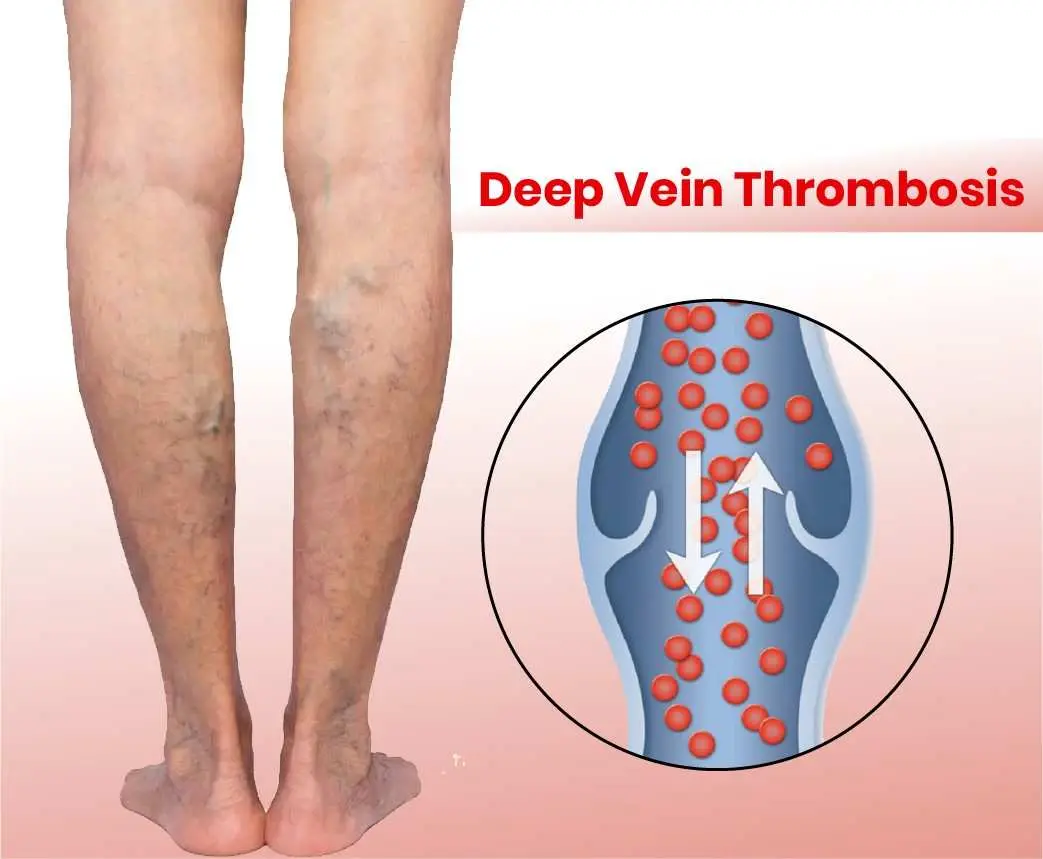
Deep Vein Thrombosis (DVT) is a serious vascular condition in which a blood clot forms in a deep vein-most commonly in the legs. These clots can partially or completely block blood flow, leading to swelling, pain, and potentially life-threatening complications. If left untreated, a clot may travel to the lungs and cause a pulmonary embolism (PE), a medical emergency. Early diagnosis and proper treatment are essential to prevent complications and protect long-term vascular health.
What Is Deep Vein Thrombosis (DVT)?
DVT occurs when a blood clot forms in a deep vein, most commonly in the lower limbs. Reduced blood flow, vessel damage, or increased clotting tendency are common triggers.
What Causes DVT?
DVT develops when blood flow slows down, thickens, or when the vein wall is damaged. Common risk factors include:
- Prolonged immobility such as long travel or bed rest.
- Injury or surgery causing damage to veins.
- Medical conditions like cancer, heart disease, or clotting disorders.
- Hormonal factors including pregnancy or contraceptive pills.
- Lifestyle factors such as smoking, obesity, or dehydration.
- Advanced age, especially over 60.
Signs and Symptoms of DVT
Symptoms may vary, and some patients may experience no symptoms at all. Common warning signs include:
- Swelling in the leg, especially the calf or thigh.
- Cramping or throbbing leg pain.
- Redness or bluish discoloration of the skin.
- Warmth over the affected area.
- Prominent or visible veins near the surface.
Sudden shortness of breath, chest pain, or coughing up blood may indicate a pulmonary embolism and requires immediate emergency care.
Diagnosing DVT
Common diagnostic tools include:
- Ultrasound: The most common and non-invasive method to detect clots.
- D-dimer test: Measures clot breakdown products in the blood.
- Venography: Uses contrast dye and X-rays for precise imaging.
- MRI/CT Scan: Used in more complex cases or when ultrasound is inconclusive.
Treatment Options for DVT
The main goals of treatment are to prevent clot growth, avoid complications, and reduce the risk of future clots.
- Anticoagulant medications: Blood thinners such as warfarin, heparin, or DOACs that prevent further clot formation.
- Thrombolytics: Clot-dissolving drugs used in severe or life-threatening cases.
- Compression stockings: Help reduce swelling and improve blood flow.
- Catheter-directed thrombolysis: Minimally invasive procedure to dissolve or remove large clots.
- IVC filter placement: Prevents clots from reaching the lungs in patients who cannot take blood thinners.
- Lifestyle changes: Staying active, maintaining healthy weight, and avoiding prolonged immobility help prevent recurrence.
Preventing DVT
- Stay active and avoid long periods of sitting or lying down.
- Stay hydrated, especially during travel.
- Wear compression stockings after surgery or long travel.
- Stop smoking and adopt a heart-healthy lifestyle.
- Manage chronic diseases like diabetes or hypertension.
Why Treating DVT is Critical
Untreated DVT can lead to life-threatening complications such as pulmonary embolism, chronic venous insufficiency, or post-thrombotic syndrome. With early diagnosis, appropriate treatment, and ongoing care, most patients can recover fully and prevent recurrence. If you experience leg pain, swelling, or symptoms of PE, seek immediate medical attention.
Our vascular specialist provides personalised evaluation and comprehensive treatment options to ensure safe and effective management of DVT. Contact us today for expert care.
Deep Vein Thrombosis Treatment in Jayanagar - Advanced DVT Care
Deep vein thrombosis (DVT) is a serious vascular condition caused by blood clot formation in deep veins, commonly affecting the legs. Timely Deep Vein Thrombosis Treatment in Jayanagar is essential to prevent life-threatening complications such as pulmonary embolism. At Sugathi Liver & Vascular Clinic, we provide comprehensive diagnosis and advanced treatment options for DVT using modern imaging and minimally invasive vascular techniques. Our expert vascular team focuses on accurate clot detection, effective blood flow restoration, and personalized care to ensure safe recovery and long-term vein health.
More Services
- Understanding Varicose Veins
- Lower Limb Arterial Diseases (PAD)
- Endovascular Treatments
- Dialysis Access Procedures
- Vascular Malformations
- Carotid Disease
- Treating Leg Ulcers
- Treatment of Swollen Legs
- Vascular Trauma
- Portal Mesenteric Vascular Diseases
- Aortic Aneurysm
- Diabetic Foot Ulcer
- Understanding Deep Vein Thrombosis
- Cervical Rib and Thoracic Outlet Syndrome
- Peripheral Vascular Disease
- Mesenteric Ischaemia

Dr. Gurunathreddy B
Vascular and Endovascular Surgeon
Deep Vein Thrombosis - FAQs
Common Questions, Clear Answers
1. What is Deep Vein Thrombosis (DVT)?
Deep Vein Thrombosis (DVT) is the formation of a blood clot in a deep vein, usually in the leg. It can block blood flow and may lead to serious complications if not treated promptly.
2. Why is DVT dangerous?
A clot can break off and travel to the lungs, causing a Pulmonary Embolism (PE), which can be life-threatening.
3. What are the common symptoms of DVT?
- Swelling of the leg
- Leg pain or tenderness
- Warmth over the affected area
- Redness or discoloration of the skin
- Heaviness in the leg
4. Can DVT occur without symptoms?
Yes. Some people may have few or no symptoms until complications develop.
5. What causes DVT?
Common causes include:
- Prolonged bed rest
- Major surgery
- Long-distance travel
- Cancer
- Pregnancy
- Obesity
- Smoking
- Previous history of DVT
- Blood clotting disorders
6. Who is at higher risk of developing DVT?
People who:
- Are older than 60 years
- Have cancer
- Recently underwent surgery
- Are bedridden
- Have a family history of blood clots
- Use hormone therapy or oral contraceptive pills
7. Can sitting for long periods cause DVT?
Yes. Long periods of immobility, such as during flights, car journeys, or prolonged desk work, can increase the risk.
8. What is "Economy Class Syndrome"?
It refers to DVT that develops after prolonged sitting during long-distance travel.
9. Can young people get DVT?
Yes. Although more common in older adults, DVT can occur in younger individuals, especially if risk factors are present.
10. Is leg swelling always due to DVT?
No. Leg swelling can have many causes, but sudden swelling of one leg should always be evaluated.
11. How is DVT diagnosed?
Diagnosis is usually made using:
- Clinical examination
- Venous Doppler ultrasound
- Blood tests (D-dimer)
- CT or MR venography in selected cases
12. What is a Venous Doppler Ultrasound?
It is a painless, non-invasive test that uses sound waves to detect blood clots in veins.
13. What is a D-dimer test?
A blood test that helps identify whether abnormal clot formation may be occurring in the body.
14. Can DVT resolve on its own?
Some clots may partially dissolve naturally, but untreated DVT can cause serious complications and should never be ignored.
15. How is DVT treated?
Treatment options include:
- Blood-thinning medications (anticoagulants)
- Compression stockings
- Catheter-directed thrombolysis (clot removal)
- Mechanical thrombectomy
- Inferior Vena Cava (IVC) filters in selected patients
16. What are blood thinners?
Blood thinners are medications that prevent existing clots from growing and reduce the risk of new clots forming.
17. Will blood thinners dissolve the clot?
They usually prevent clot progression while the body's natural mechanisms gradually break down the clot.
18. How long do I need to take blood thinners?
Treatment duration varies from 3 months to lifelong therapy, depending on the cause and recurrence risk.
19. Can DVT be treated without surgery?
Yes. Most patients are treated successfully with medications alone.
20. When is clot removal recommended?
Clot removal procedures may be considered in:
- Extensive DVT
- Severe leg swelling
- Young patients
- Clots involving pelvic veins
- Threatened limb circulation
21. What is catheter-directed thrombolysis?
A minimally invasive procedure in which clot-dissolving medication is delivered directly into the clot.
22. Can DVT cause permanent damage to the leg?
Yes. Some patients develop Post-Thrombotic Syndrome (PTS), causing chronic swelling, pain, skin changes, and ulcers.
23. What is Post-Thrombotic Syndrome?
Long-term vein damage following DVT that can result in:
- Persistent swelling
- Leg heaviness
- Pain
- Skin discoloration
- Venous ulcers
24. Can DVT happen again?
Yes. Some patients are at increased risk of recurrent blood clots.
25. Can I walk if I have DVT?
In most cases, early walking is encouraged once treatment has started, unless otherwise advised by your doctor.
26. Should I wear compression stockings after DVT?
Many patients benefit from compression stockings to reduce swelling and lower the risk of long-term complications.
27. Is DVT related to varicose veins?
Varicose veins slightly increase the risk of clot formation, but most DVTs occur due to multiple risk factors.
28. Can pregnancy increase the risk of DVT?
Yes. Pregnancy and the postpartum period significantly increase the risk of blood clot formation.
29. Does cancer increase the risk of DVT?
Yes. Cancer and some cancer treatments can make blood clotting more likely.
30. What is Pulmonary Embolism (PE)?
A Pulmonary Embolism occurs when part of a blood clot travels to the lungs and blocks blood flow.
31. What are the symptoms of Pulmonary Embolism?
- Sudden shortness of breath
- Chest pain
- Rapid heartbeat
- Coughing blood
- Dizziness or fainting
32. When should I seek emergency medical attention?
Seek immediate medical care if you experience:
- Sudden breathlessness
- Chest pain
- Rapid swelling of the leg
- Severe leg pain
- Coughing blood
33. Can DVT be prevented?
Yes. Prevention measures include:
- Early mobilization after surgery
- Regular walking
- Adequate hydration
- Compression stockings when indicated
- Preventive blood thinners in high-risk patients
34. How can I reduce my risk during long flights?
- Walk every 1-2 hours
- Perform ankle exercises
- Stay hydrated
- Avoid excessive alcohol
- Wear compression stockings if advised
35. Which specialist treats DVT?
A vascular surgeon specializes in the diagnosis and treatment of DVT and its complications.

.png)
.png)