DSA (Digital Subtraction Angiography): Gold Standard Imaging for Blood Vessels
DSA (Digital Subtraction Angiography) is an advanced imaging technique used to visualise arteries and veins in great detail. It helps detect blockages, narrowing, aneurysms, and other vascular abnormalities with high accuracy. By “subtracting” bone and soft tissue structures from the image, DSA provides a clear view of blood vessels, guiding precise diagnosis and treatment planning for complex vascular conditions.
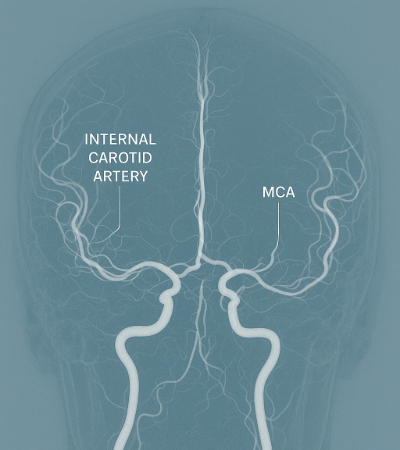
What Is Digital Subtraction Angiography (DSA)?
DSA is a minimally invasive imaging procedure where contrast dye is injected into the blood vessels and X-ray images are captured in real time. Special software then removes background structures, leaving only the contrast-filled vessels visible. This allows your vascular specialist to see even subtle vessel narrowing, clots, or malformations.
Why Is DSA Performed?
Your doctor may recommend DSA to:
- Evaluate blockages in arteries of the brain, neck, abdomen, or limbs
- Detect aneurysms, dissections, or vascular malformations
- Assess Peripheral Artery Disease (PAD) and critical limb ischemia
- Plan endovascular procedures such as angioplasty, stenting, or embolization
- Evaluate causes of stroke, transient ischemic attack (TIA), or severe leg pain
- Review results after vascular interventions or surgery
Conditions Where DSA Is Especially Useful
DSA helps in the diagnosis and management of:
- Carotid and cerebral artery disease
- Aortic, renal, mesenteric, and limb artery narrowing
- Aneurysms and vascular malformations
- Deep vein thrombosis and complex venous disorders (select cases)
- Unexplained limb ischemia, non-healing ulcers, or gangrene
How DSA Is Performed
DSA is performed in a specialised angiography suite:
- You will lie on an X-ray table, and the skin over the access site (usually the groin or wrist) is cleaned and numbed.
- A thin catheter is gently inserted into an artery and guided to the area of interest using live X-ray guidance.
- Contrast dye is injected through the catheter while multiple images are taken in quick sequence.
- Advanced software subtracts background structures, displaying only the contrast-filled vessels.
- After the procedure, the catheter is removed and pressure is applied to prevent bleeding.
What DSA Results Can Show
- Exact location and severity of arterial narrowing or blockage
- Presence of aneurysms, dissections, or malformations
- Collateral circulation and overall blood flow patterns
- Suitability for angioplasty, stenting, or surgery
Benefits of DSA
- Highly accurate and detailed vascular imaging
- Helps diagnose complex vascular problems when other tests are inconclusive
- Often combined with treatment in the same sitting (diagnostic + therapeutic)
- Guides minimally invasive endovascular procedures precisely
Is DSA Safe?
DSA is generally safe when performed by experienced vascular specialists. As it is an invasive procedure, there is a small risk of bleeding, infection, contrast allergy, or vessel injury. Before the procedure, your medical history, kidney function, and allergy status are carefully reviewed, and all safety precautions are taken.
With modern equipment and expert technique, DSA provides clear, real-time visualisation of your blood vessels, ensuring accurate diagnosis and targeted treatment. If you have been advised angiography or have symptoms of vascular disease, our team will help you understand whether DSA is the right option for you.
Digital Subtraction Angiography in HSR Layout – Precision Vascular Imaging
At Sugathi Liver & Vascular Clinic, we offer Digital Subtraction Angiography in HSR Layout, an advanced imaging procedure that provides detailed visualization of blood vessels. This minimally invasive technique helps detect arterial blockages, aneurysms, and other vascular conditions, enabling timely and effective treatment. Our expert team ensures patient safety, comfort, and accurate results using state-of-the-art equipment.
More Services

Dr. Gurunathreddy B
Vascular and Endovascular Surgeon
DSA – Digital Subtraction Angiography FAQs
Common Questions, Clear Answers
These FAQs explain what to expect before, during, and after DSA and how it helps in diagnosing and treating vascular diseases accurately.
-
High-precision imaging for arteries and veins
-
Essential tool for planning endovascular treatments

Is DSA painful?
DSA is generally well-tolerated. Local anaesthesia is used at the catheter insertion site, so you may feel mild pressure but not sharp pain. Some patients feel a brief warmth when contrast dye is injected, which quickly passes.
How long does a DSA procedure take?
Most DSA studies take about 30–60 minutes, depending on how many areas are being evaluated. If a treatment such as angioplasty or stenting is done in the same sitting, the duration may be longer.
Do I need to be admitted for DSA?
Many DSA procedures are done as day-care procedures, where you are observed for a few hours after the test and then discharged. In complex cases or when additional treatment is performed, short hospital stay may be required.
What precautions should I take after DSA?
You will be advised to rest for several hours, avoid heavy lifting for a day or two, and drink plenty of fluids to help flush out the contrast dye. The access site should be kept clean and monitored for any swelling or bleeding. Your doctor will give you specific written instructions at discharge.

.png)
.png)