CT Angiography: Detailed 3D Imaging of Your Blood Vessels
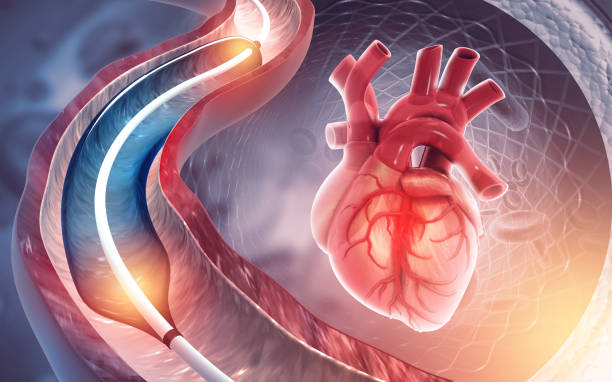
CT Angiography (CTA) is an advanced, non-invasive imaging test that uses computed tomography (CT) and contrast dye to create detailed 3D images of your blood vessels. It helps detect blockages, narrowing, aneurysms, and vascular malformations in arteries and veins throughout the body. CTA is a crucial tool for planning vascular treatments and preventing serious complications such as stroke, heart attack, or limb-threatening ischemia.
What Is CT Angiography?
CT Angiography combines X-ray images taken from multiple angles with contrast dye injected into a vein. A computer processes these images to create highly detailed cross-sectional and 3D views of your blood vessels. This allows your vascular specialist to see the exact location and severity of any narrowing, blockage, or abnormal dilation.
Why Is CT Angiography Done?
Your doctor may recommend CT Angiography to evaluate:
- Peripheral Artery Disease (PAD) in the legs
- Carotid artery disease and stroke risk
- Aortic aneurysms and dissections
- Renal artery narrowing (renal artery stenosis)
- Mesenteric ischemia and abdominal vascular disease
- Vascular injuries after trauma or accidents
- Pre-treatment planning for stenting, bypass, or endovascular procedures
Symptoms That May Require CT Angiography
Your doctor may suggest a CTA if you have:
- Leg pain while walking, rest pain, or non-healing ulcers
- History of stroke or transient ischemic attack (TIA)
- Unexplained chest, back, or abdominal pain with suspected vascular cause
- Uncontrolled blood pressure with suspected renal artery disease
- Known aneurysm requiring detailed anatomical assessment
How CT Angiography Is Performed
The procedure is fast, precise, and usually completed within 15–30 minutes:
- A contrast dye is injected into a vein, usually in your arm.
- You will lie on a CT scanner table that moves slowly through the machine.
- The scanner takes multiple images while you are asked to stay still and sometimes hold your breath briefly.
- The images are then processed to generate detailed views of your blood vessels.
What CT Angiography Results Show
- Normal blood vessels with smooth, unobstructed flow
- Narrowed or blocked arteries due to plaque buildup or clot
- Aneurysms – abnormal bulging or dilatation of arteries
- Vascular malformations and abnormal connections
- Post-treatment evaluation of stents, grafts, or bypasses
Benefits of CT Angiography
- Non-invasive and quick
- Highly detailed 3D visualization of blood vessels
- Accurate mapping for surgical and endovascular planning
- Detects disease early, even before symptoms become severe
- Helps avoid unnecessary invasive procedures in many cases
Is CT Angiography Safe?
CT Angiography uses contrast dye and low-dose X-rays. Most patients tolerate the test very well. Those with kidney disease, contrast allergy, or pregnancy will be evaluated carefully, and alternative tests may be considered if needed. Your safety is always the top priority.
With advanced CT technology and expert interpretation, we provide accurate, timely diagnosis to guide the best vascular treatment for you. If you have symptoms of vascular disease or have been advised to undergo CTA, schedule your evaluation with our vascular specialist today.
Best CT Angiography Center in BTM Layout – Advanced Vascular Imaging
At our Best CT Angiography Center in BTM Layout, we offer state-of-the-art vascular imaging to detect blockages, aneurysms, and arterial abnormalities. Our non-invasive CT Angiography provides accurate and quick results, helping doctors plan effective treatments. Patient safety, comfort, and precise diagnostics are our top priorities.
More Services

Dr. Gurunathreddy B
Vascular and Endovascular Surgeon
CT Angiography – FAQs
What Patients Commonly Ask
These FAQs explain how CT Angiography works, its safety, and when it is recommended as part of your vascular evaluation.
-
Accurate 3D mapping of blood vessels
-
Helps plan minimally invasive and surgical treatments

Is CT Angiography painful?
No. The test is generally painless. You may feel a brief warm sensation when the contrast dye is injected, but this subsides quickly.
How long does a CT Angiography scan take?
The scanning itself usually takes only a few minutes. With preparation and positioning, the entire process is typically completed within 15–30 minutes.
Is the contrast dye safe for everyone?
Most people tolerate contrast dye well. Patients with kidney problems, diabetes, or previous contrast allergy will be evaluated carefully, and precautions or alternative tests may be advised if needed.
How is CT Angiography different from a normal CT scan?
A routine CT scan shows organs and structures, while CT Angiography specifically highlights blood vessels using contrast dye, allowing precise assessment of blockages, narrowing, and aneurysms.

.png)
.png)