Portal Mesenteric Vascular Diseases: Causes, Symptoms, and Treatment
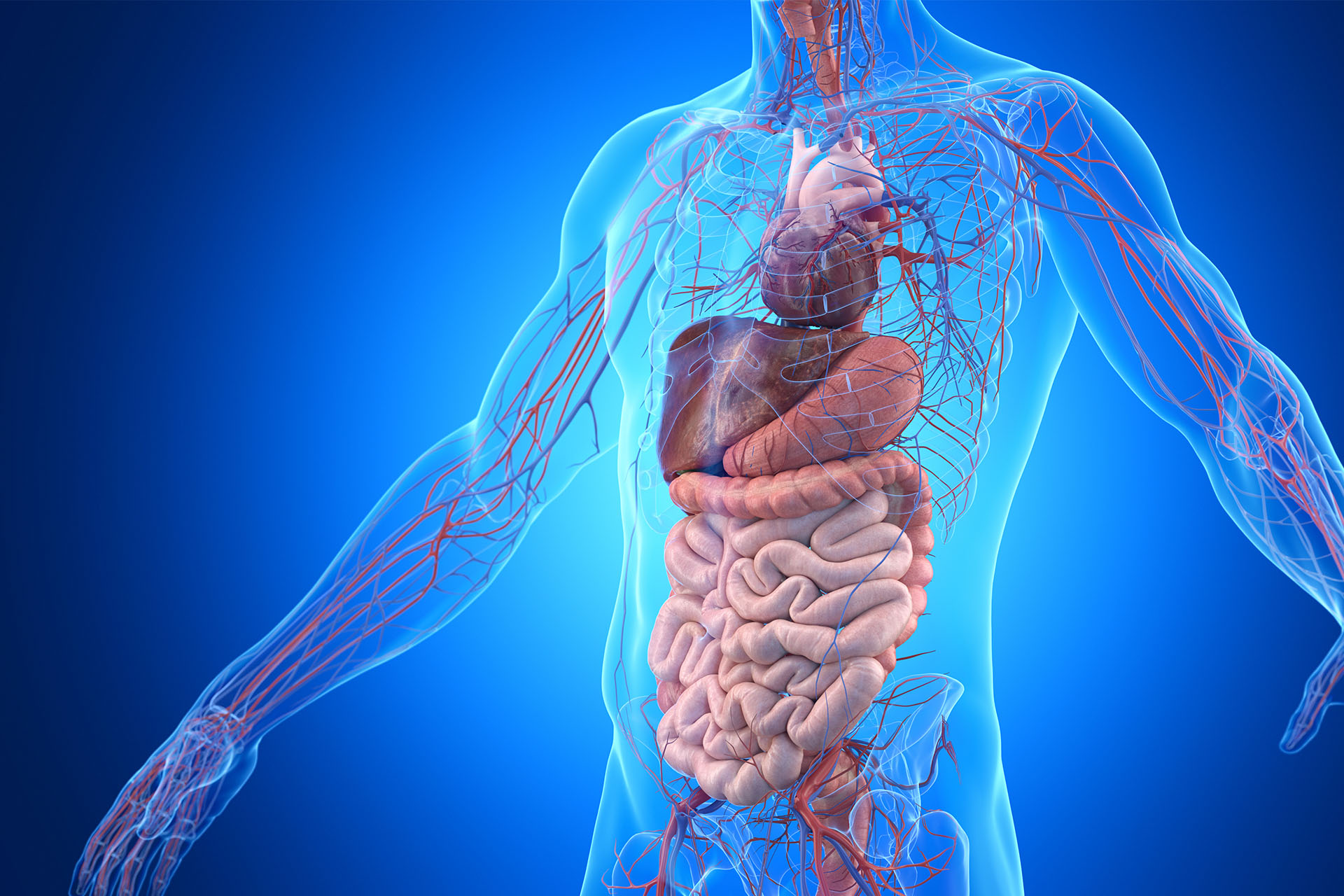
Portal mesenteric vascular diseases affect the major blood vessels that supply the intestines, liver, spleen, and other digestive organs, including the portal vein and mesenteric arteries and veins. Any blockage, narrowing, or clot in these vessels can reduce blood flow, damage the intestines or liver, and lead to serious, sometimes life-threatening complications. Early diagnosis and timely treatment are essential to protect organ function and overall health.
What Are Portal & Mesenteric Vascular Diseases?
These conditions involve abnormal blood flow in the portal vein and mesenteric vessels that supply the intestines and digestive organs. Common conditions include:
- Portal Vein Thrombosis (PVT): Blood clot in the portal vein.
- Mesenteric Ischaemia: Reduced blood flow to the intestines due to narrowed or blocked arteries.
- Mesenteric Venous Thrombosis: Clot formation in the mesenteric veins.
- Portal Hypertension–related Vascular Issues: Raised pressure in the portal system affecting veins.
- Mesenteric Artery Aneurysms or Dissections: Weakening or tearing of vessel walls.
Causes and Risk Factors
Several factors can disturb normal blood flow in the portal and mesenteric vessels:
- Blood clots: Due to clotting disorders, infections, abdominal trauma, or surgery.
- Atherosclerosis: Plaque buildup in mesenteric arteries causing narrowing.
- Liver cirrhosis: Can predispose to portal vein thrombosis and portal hypertension.
- Inflammatory conditions: Such as pancreatitis or inflammatory bowel disease.
- Structural problems: Aneurysms, congenital vessel anomalies, or external compression.
- Other risks: Smoking, diabetes, high cholesterol, prolonged immobilisation, and heart disease.
Symptoms of Portal Mesenteric Vascular Diseases
Symptoms depend on whether the disease develops suddenly (acute) or gradually (chronic), and which vessels are involved.
- Acute symptoms (medical emergency): Sudden, severe abdominal pain, nausea, vomiting, blood in stools, bloating, fever, and sometimes low blood pressure or shock.
- Chronic symptoms: Recurrent abdominal pain (especially after meals), unintentional weight loss, poor appetite, bloating, or diarrhoea.
- Portal vein–related symptoms: Abdominal swelling, enlarged spleen, and in advanced cases, vomiting blood due to variceal bleeding.
Diagnosis of Portal Mesenteric Vascular Diseases
Early and accurate diagnosis helps prevent intestinal or liver damage. Investigations may include:
- Doppler ultrasound: Evaluates blood flow in the portal vein and mesenteric vessels.
- CT Angiography / MR Angiography: High-resolution imaging to detect clots, narrowing, vessel injury, or bowel involvement.
- Endoscopy: To look for varices or bleeding sources in suspected portal hypertension.
- Blood tests: To assess liver function, clotting status, and inflammatory markers.
- Conventional angiography: In selected cases, to map complex vascular anatomy and plan intervention.
Treatment Options
Treatment is tailored to the specific disease, severity, and overall health of the patient:
1. Medications
- Anticoagulants: To treat or prevent blood clots in veins and some arteries.
- Thrombolytic therapy: Carefully selected cases to dissolve acute clots.
- Beta-blockers: For portal hypertension to lower portal pressure.
- Antibiotics: If infection or sepsis is suspected.
2. Endovascular (Minimally Invasive) Treatments
- Angioplasty: Balloon dilation of narrowed mesenteric arteries.
- Stenting: Placement of stents to keep arteries or veins open.
- Catheter-directed thrombolysis or thrombectomy: To break or remove clots.
- TIPS (Transjugular Intrahepatic Portosystemic Shunt): A specialised procedure for selected portal hypertension cases to reduce pressure and bleeding risk.
3. Surgical Treatment
- Emergency surgery for bowel infarction or perforation in acute mesenteric ischaemia.
- Bypass or reconstruction for complex arterial disease or aneurysms.
- Resection of severely damaged bowel segments when necessary.
4. Lifestyle & Risk Factor Management
- Stopping smoking and avoiding tobacco in any form.
- Controlling diabetes, blood pressure, and cholesterol.
- Following a heart-healthy, liver-friendly diet as advised.
- Maintaining regular physical activity within safe limits.
Complications
If not treated promptly, portal mesenteric vascular diseases can cause:
- Intestinal ischaemia and gangrene.
- Severe internal bleeding from varices or damaged vessels.
- Liver failure or worsening portal hypertension.
- Peritonitis, sepsis, and multi-organ failure.
- Life-threatening shock and, in severe cases, death.
Because these diseases can progress silently and then present as emergencies, early detection and treatment are crucial. If you experience severe or recurrent abdominal pain, unexplained digestive symptoms, or swelling, seek prompt evaluation. Our vascular team provides advanced imaging, endovascular therapies, and coordinated care to protect intestinal and liver health and improve long-term outcomes.
Vascular Specialist in JP Nagar – Expert Vascular Care
A Vascular Specialist in JP Nagar focuses on
diagnosing and treating conditions affecting arteries and
veins, ensuring healthy blood circulation and preventing
serious complications. At
Sugathi Liver & Vascular Clinic, we provide advanced evaluation and personalized treatment
plans for a wide range of vascular disorders.
Our clinic offers minimally invasive endovascular procedures,
advanced imaging, and comprehensive care for arterial
blockages, venous diseases, and complex vascular conditions.
With a patient-centric approach, our vascular specialist
emphasizes safety, precision, faster recovery, and long-term
vascular health outcomes.
More Services
- Understanding Varicose Veins
- Lower Limb Arterial Diseases (PAD)
- Endovascular Treatments
- Dialysis Access Procedures
- Vascular Malformations
- Carotid Disease
- Treating Leg Ulcers
- Treatment of Swollen Legs
- Vascular Trauma
- Portal Mesenteric Vascular Diseases
- Aortic Aneurysm
- Diabetic Foot Ulcer
- Understanding Deep Vein Thrombosis
- Cervical Rib and Thoracic Outlet Syndrome
- Peripheral Vascular Disease
- Mesenteric Ischaemia

Dr. Gurunathreddy B
Vascular and Endovascular Surgeon
Portal Mesenteric Vascular Diseases – FAQs
Common Questions, Clear Answers
Learn how portal and mesenteric vascular conditions are detected and treated, and when to seek urgent care. These FAQs provide simple explanations for complex abdominal vascular problems.
-
Understand the warning signs of intestinal and portal vessel disease
-
Know how modern imaging and treatment can protect your organs
If you have severe or
recurrent abdominal pain or
suspected vascular issues, contact us here
Are portal and mesenteric vascular diseases always emergencies?
Not always. Some conditions develop slowly and may cause only mild or vague symptoms initially. However, acute mesenteric ischaemia, severe portal vein thrombosis, or massive bleeding are true emergencies. Any sudden severe abdominal pain or vomiting blood requires immediate medical attention.
Can portal vein thrombosis or mesenteric clots be treated with medicines alone?
In selected cases, especially when diagnosed early and without bowel damage, anticoagulant medicines may effectively treat venous clots. In more severe or arterial blockages, endovascular procedures or surgery may be needed. Your specialist will decide based on imaging and clinical status.
What is the role of TIPS in portal vascular disease?
TIPS (Transjugular Intrahepatic Portosystemic Shunt) is a specialised procedure that creates a channel within the liver to reduce high pressure in the portal system. It is used in selected patients with portal hypertension, recurrent variceal bleeding, or certain complications related to portal vein disease.
Can lifestyle changes alone prevent these diseases?
Lifestyle measures such as quitting smoking, controlling diabetes and cholesterol, and maintaining a healthy weight reduce overall vascular risk and support liver and heart health. However, some portal and mesenteric conditions are related to liver cirrhosis, clotting disorders, or structural issues and still require medical or interventional treatment along with lifestyle changes.

.png)
.png)