Leg Bypass Surgery: Restoring Blood Flow in Severely Blocked Arteries
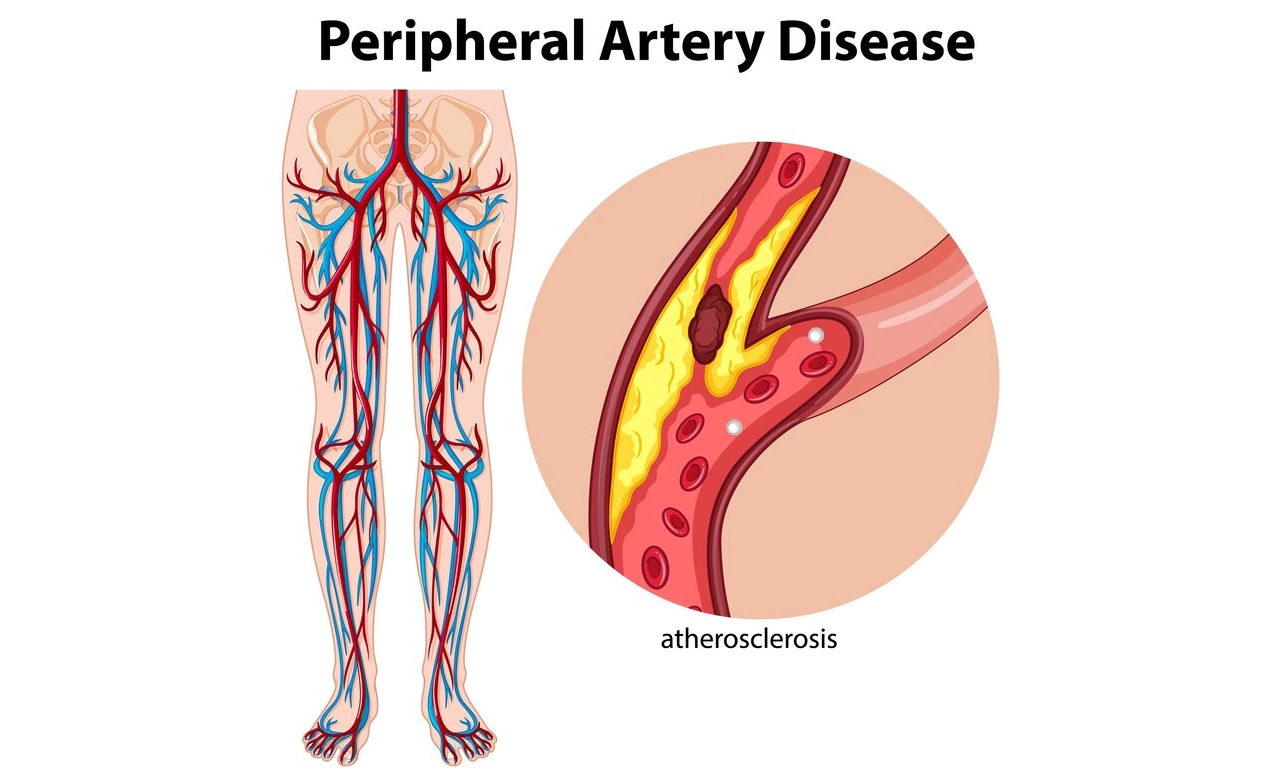
Leg Bypass Surgery (Peripheral Arterial Bypass) is a highly effective surgical procedure performed to restore blood flow in patients with severe blockages in the leg arteries. It is usually recommended when Peripheral Artery Disease (PAD) is advanced and minimally invasive treatments like angioplasty are not sufficient. Bypass surgery helps save the limb, improves walking ability, promotes healing of foot wounds, and prevents amputation.
What Is Leg Bypass Surgery?
In Leg Bypass Surgery, a new route (bypass) is created around the blocked artery to allow proper blood flow. A vein from the patient’s own leg or a synthetic graft is connected above and below the blockage, restoring normal circulation to the foot and leg.
When Is Leg Bypass Surgery Needed?
Doctors recommend bypass surgery when:
- PAD is advanced or long-segment blockages are present
- Angioplasty is not suitable or has failed
- Foot or toe ulcers are not healing due to poor circulation
- There is severe rest pain in the legs or feet
- The patient has critical limb ischemia
- Diabetic patients have poor arterial flow to the feet
Symptoms That Indicate You May Need Surgery
- Severe cramping or pain even at rest
- Blackening of toes or skin due to poor blood flow
- Non-healing foot ulcers
- Cold, numb, or pale feet
- Difficulty walking even short distances
- Loss of sensation in legs
How Leg Bypass Surgery Is Performed
The procedure is performed under anesthesia by a vascular surgeon:
- An incision is made to access the blocked artery
- A vein (or artificial graft) is connected above and below the blockage
- This creates a new pathway (bypass) for blood flow
- Circulation to the leg improves immediately
- The incision is closed and recovery begins
Types of Leg Bypass Surgery
- Femoral-Popliteal Bypass: Thigh artery to knee artery
- Femoral-Tibial Bypass: Thigh artery to lower leg artery
- Aorto-Femoral Bypass: From abdomen to thigh
- Ilio-Femoral Bypass: From pelvic artery to thigh artery
Benefits of Leg Bypass Surgery
- Restores blood flow to severely blocked legs
- Reduces pain and improves walking distance
- Helps foot/toe wounds heal faster
- Prevents gangrene and amputation
- Long-lasting solution for advanced PAD
Recovery After Bypass Surgery
- Hospital stay: 4–7 days typically
- Walking begins early to encourage blood flow
- Full recovery takes 4–6 weeks
- Regular follow-ups ensure long-term results
- Lifestyle changes help maintain bypass success
Why Bypass Surgery Is Important
When arteries are severely blocked, blood flow becomes critically low. Without intervention, tissue death, gangrene, and amputation can occur. Leg Bypass Surgery restores circulation, saves the limb, and dramatically improves the patient’s ability to walk and lead a normal life.
Our vascular specialist performs advanced bypass procedures with high success rates using modern surgical techniques, ensuring faster healing and long-term relief. If you have severe PAD symptoms, early evaluation can help prevent complications.
Leg Bypass Surgery in JP Nagar – Advanced Vascular Care
Leg Bypass Surgery in JP Nagar is designed to restore healthy blood flow in blocked leg arteries, alleviating pain, improving mobility, and preventing serious complications. At Sugathi Liver & Vascular Clinic, our expert vascular surgeons use advanced minimally invasive techniques to perform precise arterial bypass procedures. Patients benefit from reduced recovery time, improved circulation, and long-term vascular health.
More Services

Dr. Gurunathreddy B
Vascular and Endovascular Surgeon
Leg Bypass Surgery FAQs
Clear Answers for Patients
Learn more about the procedure, success rate, recovery, and what to expect during and after Leg Bypass Surgery.
-
Life-saving surgery for advanced PAD
-
Improves walking and wound healing

Is leg bypass surgery safe?
Yes. It is a commonly performed vascular procedure with high success rates, especially when done by an experienced surgeon. Modern techniques have made it safer than ever.
How long does recovery take?
Most patients recover fully within 4–6 weeks. Early walking, medication, and follow-ups ensure long-term success.
Can bypass surgery prevent amputation?
Yes. For patients with severe PAD, diabetic foot, or critical limb ischemia, bypass surgery is often the most effective treatment to save the limb.
Will I need angioplasty after bypass?
In most cases, bypass provides long-term relief. Angioplasty may be needed only if there is significant narrowing in other arteries or future progression of disease.

.png)
.png)