.webp)
.webp)
 (1).webp)
.webp)
 Care.webp)



Expertise in Vascular & Endovascular Care, With Compassion For Every Patient
.png)
Expertise in Vascular & Endovascular Care, With Compassion For Every Patient
Dr. Gurunathreddy B is a leading Vascular and Endovascular Surgeon in Bangalore with 14 years of experience in treating complex vascular conditions. He heads the Vascular Surgery Division at St. John’s Medical College & Hospital, Sarjapur Road, and has performed over 3,500 successful procedures, including varicose veins, diabetic foot, peripheral artery disease, AV fistula, and aneurysm surgeries.
-
00
+Years of experience
-
00
+Vascular patients treated
-
00
+Successful varicose vein treatments
-
Advanced vascular & endovascular care
-
Patient-centric, ethical treatment
-
Focus on limb preservation & saving life
-
Minimally invasive treatment options
-
Clear communication & long-term follow-up
5:00 PM - 8:00 PM
+91 9019929234
Understanding the Full Spectrum of Vascular
Diseases & Treatments
-
 Understanding
Varicose Veins -
 Lower Limb Arterial Diseases & Gangrene
-
 Endovascular
Treatments -
 Dialysis Access
Procedures – AV Fistula -
 Vascular
Malformations -
 Carotid
Disease / Artery Stroke -
 Treating
Leg Ulcers -
 Treatment of
Swollen Legs -
 Vascular
Trauma -
 Portal-Mesenteric
Vascular Diseases -
 Aortic
Aneurysm -
 Diabetic Foot
Ulcer -
 Deep Vein
Thrombosis -
 Mesenteric
Ischaemia -
 Cervical Rib & Thoracic
Outlet Syndrome


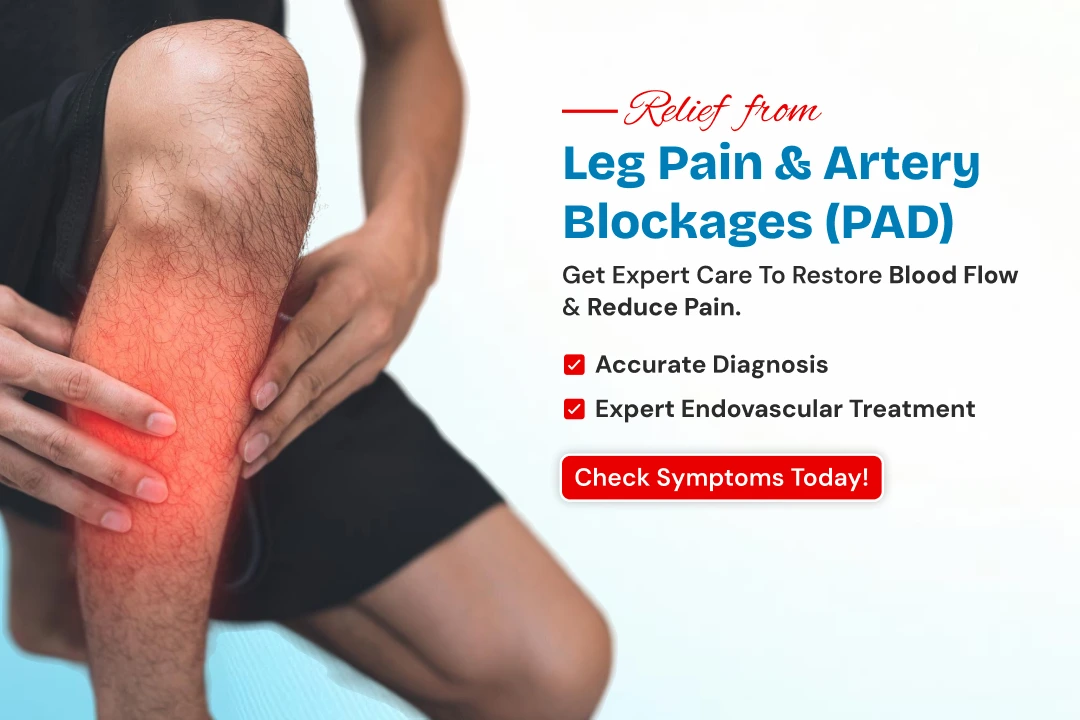
Understanding Lower Limb Arterial Diseases (PAD)
PAD occurs when arteries supplying the legs narrow, leading to pain, discoloration, and poor circulation. We offer angioplasty, stenting, atherectomy, and advanced limb-saving treatments.
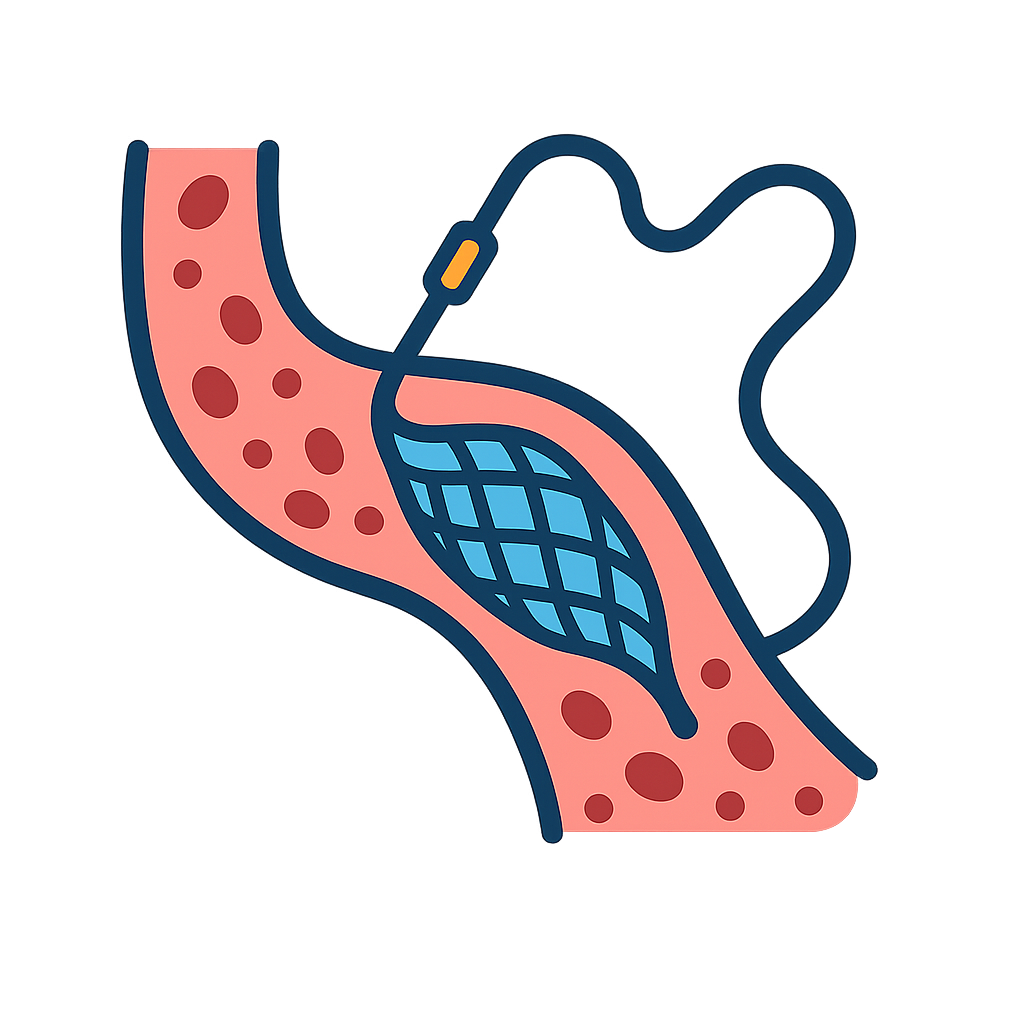
Endovascular Treatments
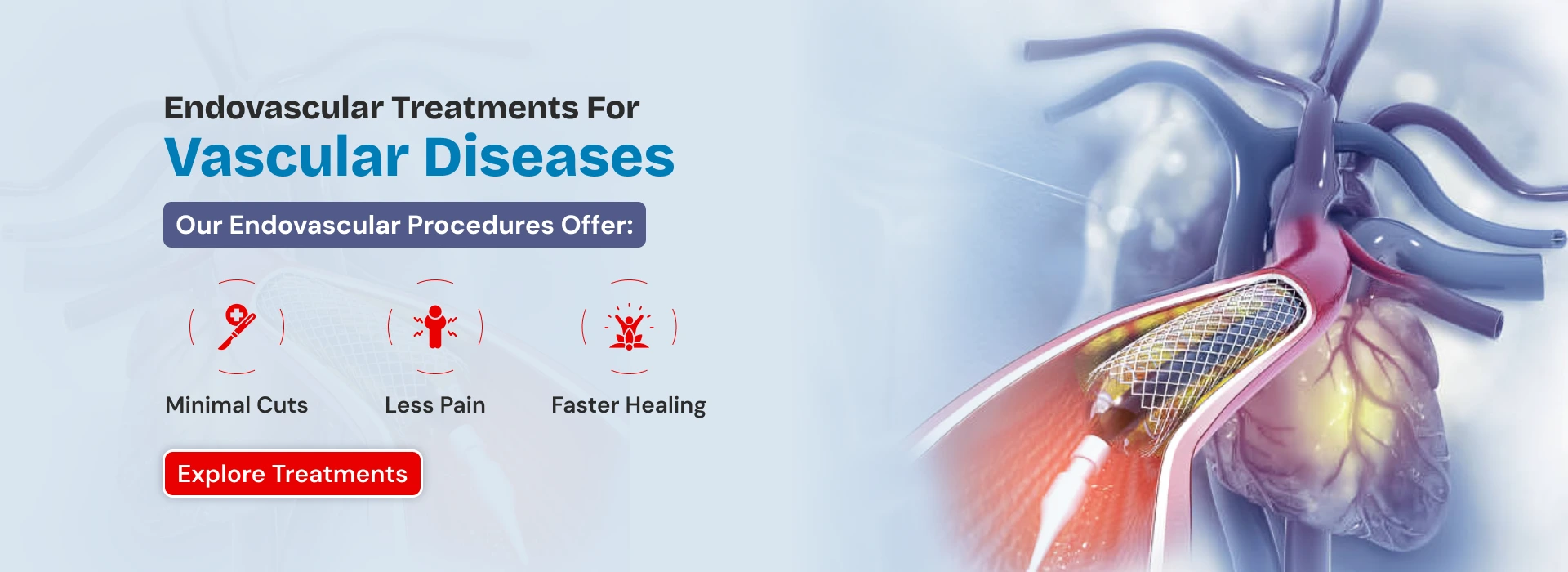
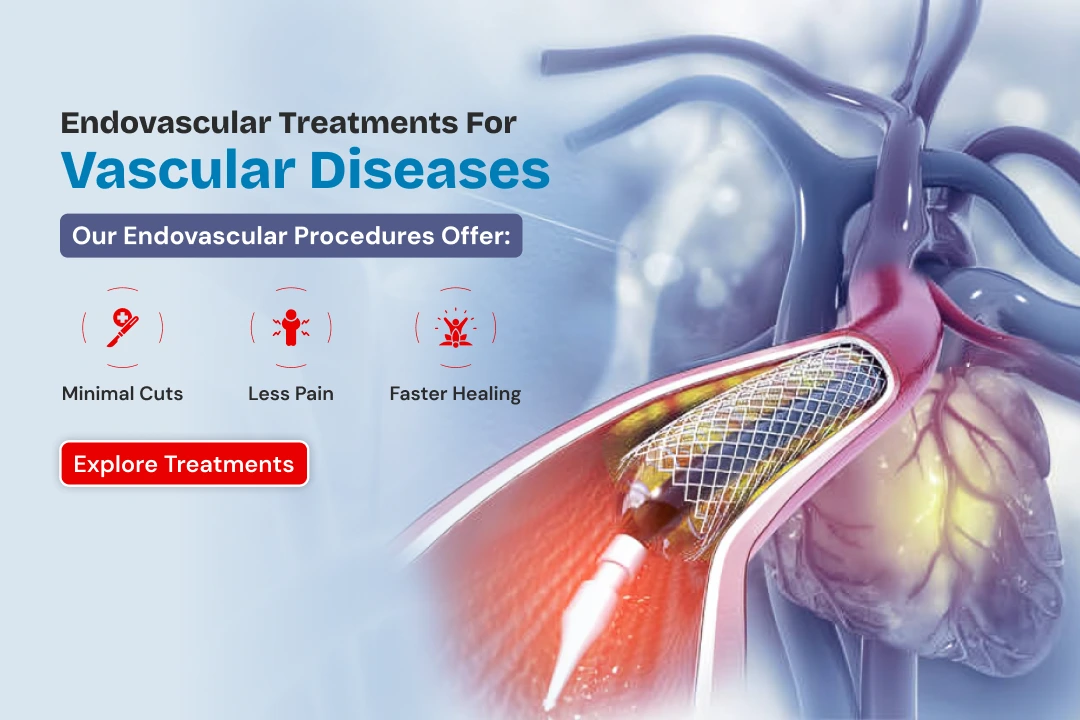
Minimally invasive vascular procedures such as angioplasty, stenting, embolization, and thrombolysis for fast, safe, and effective disease management without open surgery.
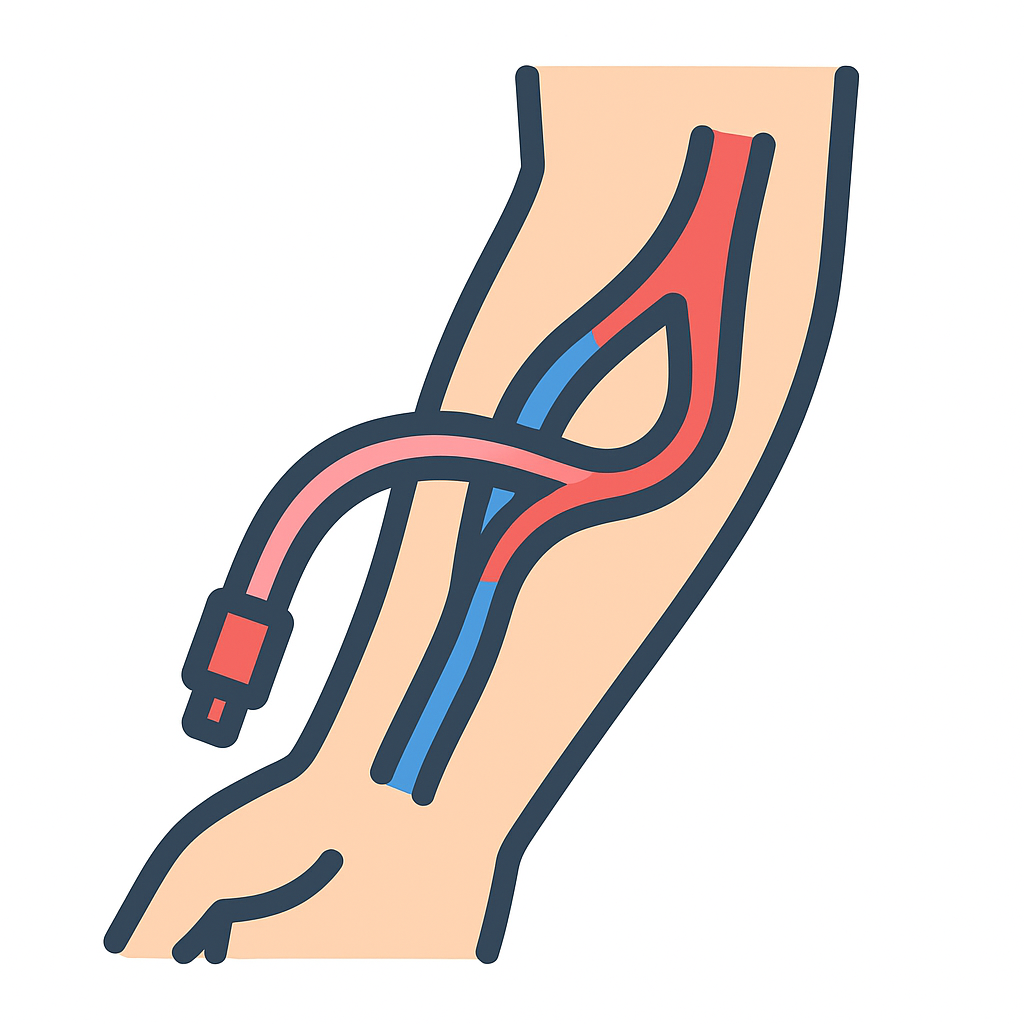
Dialysis Access Procedures
Expert creation and maintenance of AV fistulas, grafts, and catheter-based access for chronic kidney disease patients to ensure long-term, reliable dialysis access.
Vascular Malformations
Treatment of congenital and acquired vascular malformations, including AVMs, venous malformations, lymphatic malformations, and capillary malformations.
Carotid Disease
Blockages in the carotid arteries can lead to stroke. We provide carotid endarterectomy and carotid stenting to restore blood flow safely.
Treating Leg Ulcers
Venous, arterial, and diabetic ulcers require specialized vascular care. We provide advanced wound healing and circulation-restoring treatments.
Treatment of Swollen Legs
Leg swelling can be caused by venous insufficiency, lymphedema, or DVT. We offer accurate diagnosis and targeted vascular treatment to relieve swelling.
Vascular Trauma
Emergency treatment for arterial and venous injuries caused by accidents, fractures, and penetrating trauma to restore circulation quickly and safely.
Portal Mesenteric Vascular Diseases
Conditions affecting the portal and mesenteric veins can lead to severe abdominal complications. We offer expert diagnosis and minimally invasive treatments.
Aortic Aneurysm
Aortic aneurysms occur when the aorta weakens and bulges, posing a risk of rupture. We offer advanced screening and endovascular repair options.
Diabetic Foot Ulcer
Diabetic foot ulcers require early evaluation to prevent infections and amputations. We provide limb salvage treatments and vascular restoration.
Deep Vein Thrombosis (DVT)
DVT is caused by clot formation in deep veins, often the legs. Our treatments include thrombolysis, clot removal, and vein preservation procedures.
Cervical Rib & Thoracic Outlet Syndrome
TOS occurs when nerves or blood vessels are compressed near the neck and shoulder. We offer surgical and minimally invasive decompression solutions.
Mesenteric Ischaemia
Reduced blood flow to the intestines can be life-threatening. We specialize in early diagnosis and endovascular revascularization.
Vascular Specialist in Btm Layout – Expert Care for Complex Vascular Conditions
Disorders of the blood vessels can significantly affect overall health, mobility, and quality of life. Problems such as blocked arteries, varicose veins, aneurysms, diabetic foot complications, and deep vein thrombosis require timely evaluation and expert care. Consulting a Vascular Specialist in Btm Layout ensures access to advanced diagnostic techniques and personalised treatment strategies designed to restore healthy blood circulation and prevent long-term complications.
Vascular diseases often progress silently, showing symptoms only when the condition becomes advanced. Leg pain while walking, swelling, skin discoloration, non-healing wounds, or visible veins are warning signs that should never be ignored. Early diagnosis and intervention can make a significant difference in outcomes.
What Does a Vascular Specialist Do?
A vascular specialist is a doctor trained to diagnose and treat conditions affecting arteries, veins, and lymphatic vessels. Using both medical and minimally invasive surgical approaches, the specialist focuses on improving blood flow, relieving symptoms, and preventing complications such as stroke, limb loss, or aneurysm rupture.
Modern vascular care emphasises minimally invasive procedures, including angioplasty, stenting, endovascular aneurysm repair, laser treatment for varicose veins, and catheter-based clot removal. These treatments reduce hospital stay, pain, and recovery time compared to traditional open surgery.
Conditions Commonly Treated
A dedicated vascular care centre manages a wide range of arterial and venous conditions, including:
- Peripheral artery disease causing leg pain and poor wound healing
- Varicose veins and chronic venous insufficiency
- Aortic and peripheral aneurysms
- Deep vein thrombosis and post-thrombotic syndrome
- Carotid artery narrowing linked to stroke risk
- Diabetic foot ulcers and limb-threatening infections
- Dialysis access creation and AV fistula management
Advanced Diagnostic and Treatment Approach
Accurate diagnosis is the foundation of effective vascular treatment. Evaluation begins with a detailed clinical assessment followed by advanced investigations such as vascular colour Doppler scans, CT angiography, and MR angiography. These tests help determine the severity and exact location of vascular blockages or abnormalities.
Based on diagnostic findings, a customised treatment plan is created to address each patient’s unique needs. Consulting a Vascular Specialist in Btm Layout allows patients to benefit from evidence-based care combined with the latest technology.
Benefits of Modern Vascular Treatments
Advances in vascular medicine have transformed patient care, offering safer and more effective treatment options. Key benefits include:
- Minimally invasive procedures with small puncture sites
- Lower risk of infection and complications
- Shorter hospital stay and faster recovery
- Reduced post-treatment pain and scarring
- Improved long-term outcomes and quality of life
Importance of Early Vascular Consultation
Delaying treatment for vascular conditions can lead to serious complications, including chronic pain, infection, gangrene, or stroke. Early consultation with a Vascular Specialist in Btm Layout enables timely intervention, reduces disease progression, and helps preserve limb and organ function.
With the availability of advanced endovascular techniques, many vascular conditions can now be treated effectively without major surgery. Expert care, accurate diagnosis, and personalised treatment planning are key to achieving the best outcomes.
Choosing an experienced vascular specialist ensures comprehensive care focused not just on treatment, but also on long-term vascular health, lifestyle guidance, and preventive strategies for lasting results.
Vascular Specialist – FAQs
Commonly Asked Patient Questions
What symptoms indicate a vascular problem?
Symptoms include leg pain while walking, swelling, visible veins, skin discoloration, numbness, non-healing wounds, and sudden limb pain. These signs should be evaluated by a vascular specialist at the earliest.
When should I consult a vascular specialist?
You should consult a vascular specialist if you have persistent leg pain, varicose veins, diabetic foot ulcers, history of blood clots, or risk factors such as diabetes, smoking, or high blood pressure.
Are vascular treatments safe?
Modern vascular treatments are highly safe when performed by experienced specialists. Minimally invasive techniques significantly reduce complications, pain, and recovery time.
How long does recovery take after vascular procedures?
Recovery depends on the procedure, but most minimally invasive vascular treatments allow patients to resume normal activities within a few days.
Can vascular diseases be prevented?
While not all vascular conditions can be prevented, maintaining a healthy lifestyle, controlling diabetes and blood pressure, avoiding smoking, and regular check-ups significantly reduce risk.

.png)
.png)