.webp)
.webp)
 (1).webp)
.webp)

 Care.webp)




Expertise in Vascular & Endovascular Care, With Compassion For Every Patient
.png)
Expertise in Vascular & Endovascular Care, With Compassion For Every Patient
Dr. Gurunathreddy B is a leading Vascular and Endovascular Surgeon in Bangalore with 14 years of experience in treating complex vascular conditions. He heads the Vascular Surgery Division at St. John’s Medical College & Hospital, Sarjapur Road, and has performed over 3,500 successful procedures, including varicose veins, diabetic foot, peripheral artery disease, AV fistula, and aneurysm surgeries.
-
00
+Years of experience
-
00
+Vascular patients treated
-
00
+Successful varicose vein treatments
-
Advanced vascular & endovascular care
-
Patient-centric, ethical treatment
-
Focus on limb preservation & saving life
-
Minimally invasive treatment options
-
Clear communication & long-term follow-up
5:00 PM - 8:00 PM
+91 9019929234
Understanding the Full Spectrum of Vascular
Diseases & Treatments
-
 Understanding
Varicose Veins -
 Lower Limb Arterial Diseases & Gangrene
-
 Endovascular
Treatments -
 Dialysis Access
Procedures – AV Fistula -
 Vascular
Malformations -
 Carotid
Disease / Artery Stroke -
 Treating
Leg Ulcers -
 Treatment of
Swollen Legs -
 Vascular
Trauma -
 Portal-Mesenteric
Vascular Diseases -
 Aortic
Aneurysm -
 Diabetic Foot
Ulcer -
 Deep Vein
Thrombosis -
 Mesenteric
Ischaemia -
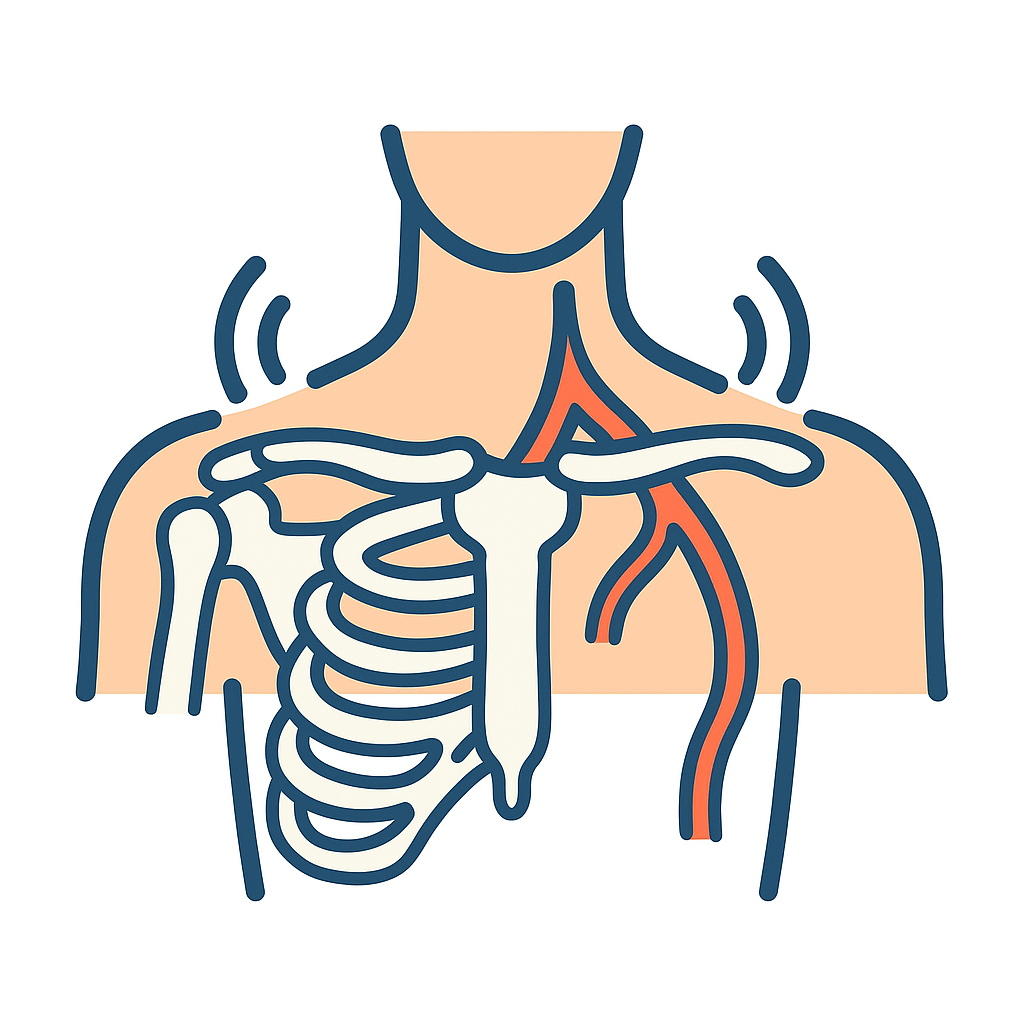 Cervical Rib & Thoracic
Outlet Syndrome

Understanding Lower Limb Arterial Diseases (PAD)
PAD occurs when arteries supplying the legs narrow, leading to pain, discoloration, and poor circulation. We offer angioplasty, stenting, atherectomy, and advanced limb-saving treatments.
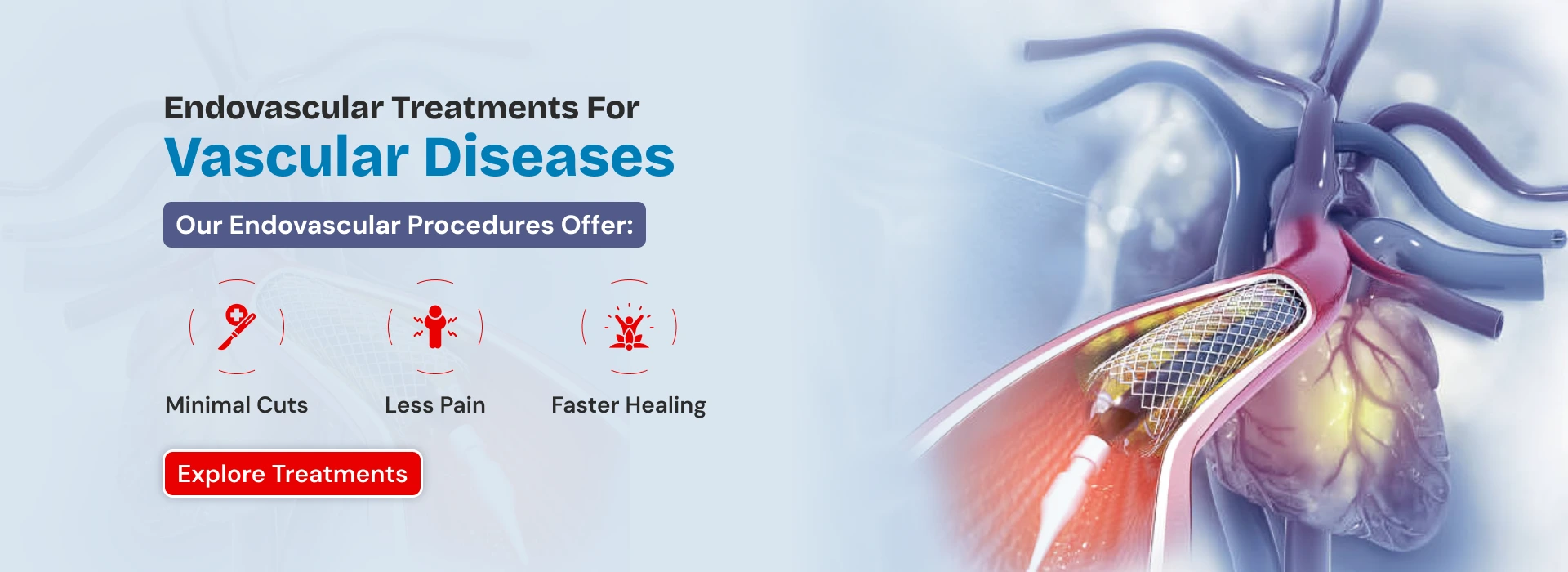
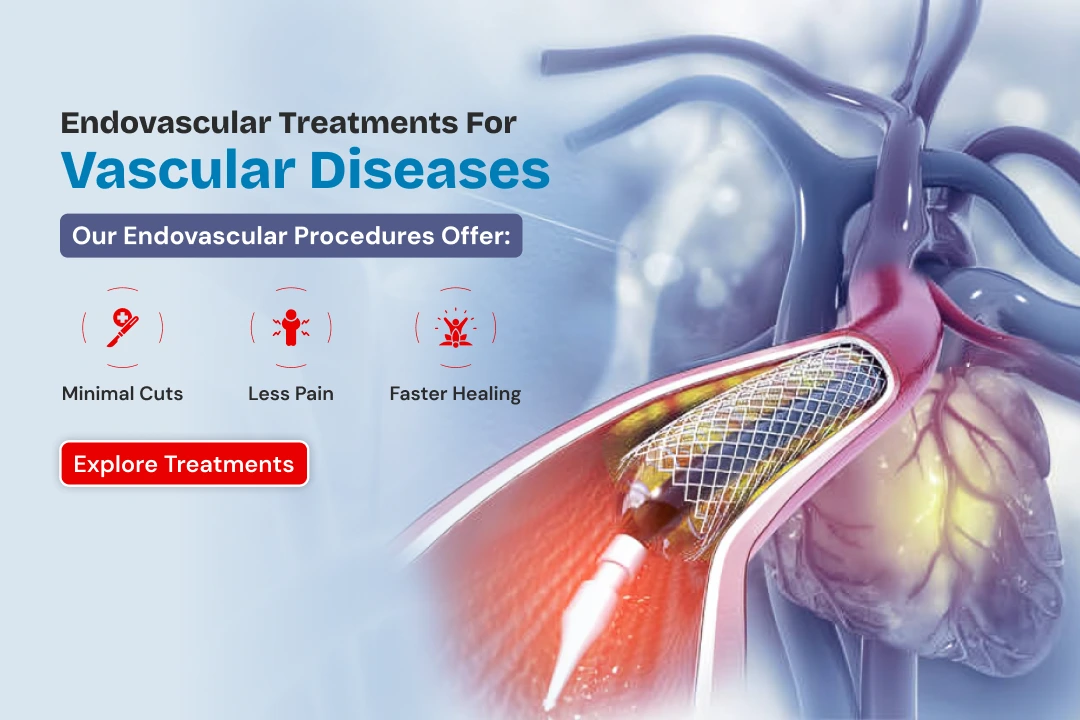
Endovascular Treatments
Minimally invasive vascular procedures such as angioplasty, stenting, embolization, and thrombolysis for fast, safe, and effective disease management without open surgery.
Dialysis Access Procedures
Expert creation and maintenance of AV fistulas, grafts, and catheter-based access for chronic kidney disease patients to ensure long-term, reliable dialysis access.
Vascular Malformations
Treatment of congenital and acquired vascular malformations, including AVMs, venous malformations, lymphatic malformations, and capillary malformations.
Carotid Disease
Blockages in the carotid arteries can lead to stroke. We provide carotid endarterectomy and carotid stenting to restore blood flow safely.
Treating Leg Ulcers
Venous, arterial, and diabetic ulcers require specialized vascular care. We provide advanced wound healing and circulation-restoring treatments.
Treatment of Swollen Legs
Leg swelling can be caused by venous insufficiency, lymphedema, or DVT. We offer accurate diagnosis and targeted vascular treatment to relieve swelling.
Vascular Trauma
Emergency treatment for arterial and venous injuries caused by accidents, fractures, and penetrating trauma to restore circulation quickly and safely.
Portal Mesenteric Vascular Diseases
Conditions affecting the portal and mesenteric veins can lead to severe abdominal complications. We offer expert diagnosis and minimally invasive treatments.
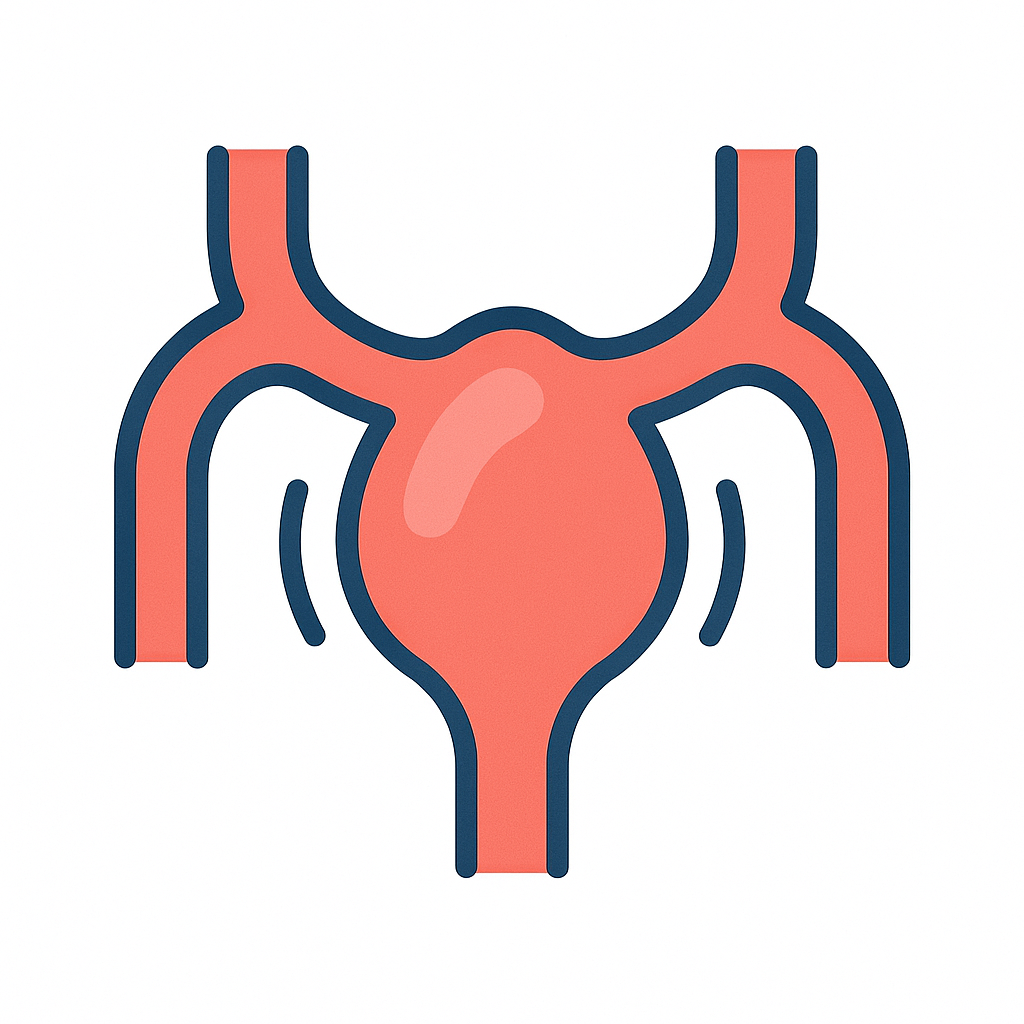
Aortic Aneurysm
Aortic aneurysms occur when the aorta weakens and bulges, posing a risk of rupture. We offer advanced screening and endovascular repair options.
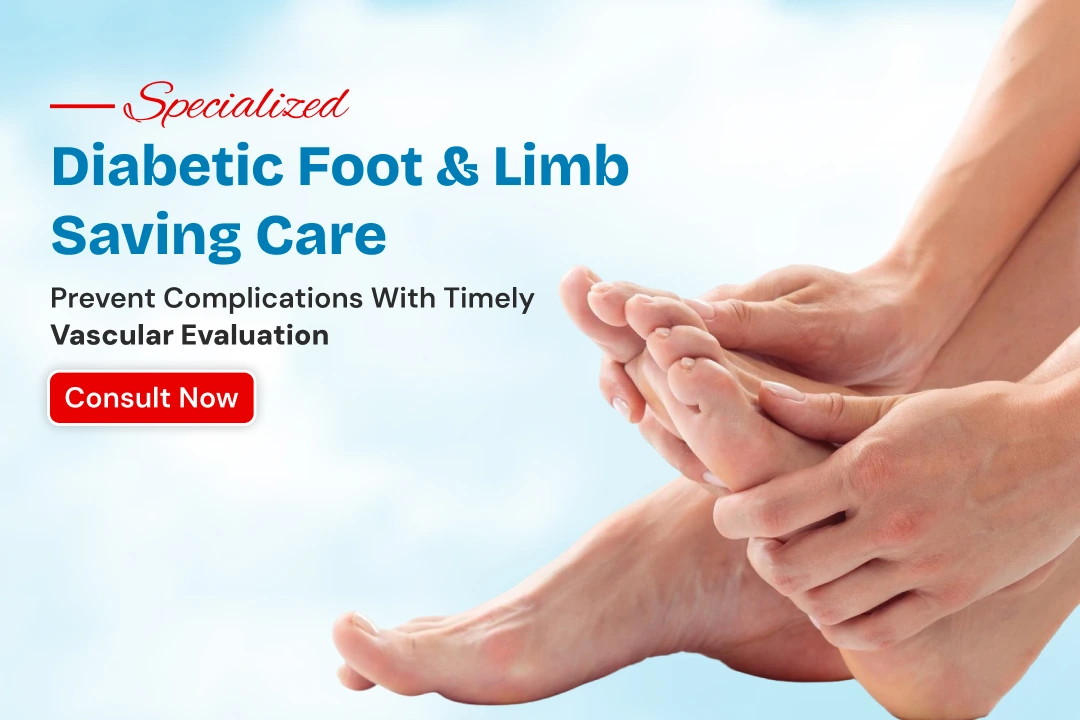
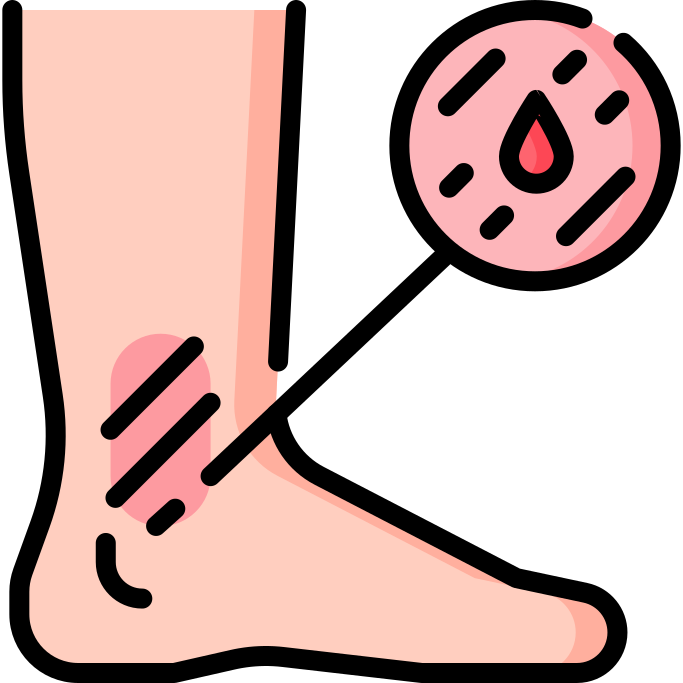
Diabetic Foot Ulcer
Diabetic foot ulcers require early evaluation to prevent infections and amputations. We provide limb salvage treatments and vascular restoration.
Deep Vein Thrombosis (DVT)
DVT is caused by clot formation in deep veins, often the legs. Our treatments include thrombolysis, clot removal, and vein preservation procedures.
Cervical Rib & Thoracic Outlet Syndrome
TOS occurs when nerves or blood vessels are compressed near the neck and shoulder. We offer surgical and minimally invasive decompression solutions.
Mesenteric Ischaemia
Reduced blood flow to the intestines can be life-threatening. We specialize in early diagnosis and endovascular revascularization.
Vascular Color Doppler Scan in Hsr Layout – Accurate, Non-Invasive Vascular Diagnostics
Vascular diseases often go unnoticed until complications arise. Conditions such as peripheral artery disease, deep vein thrombosis, varicose veins, and aortic aneurysms require precise diagnostic evaluation for effective treatment. A Vascular Color Doppler Scan in Hsr Layout offers a non-invasive, safe, and highly accurate method to assess blood flow and detect vascular abnormalities early.
Using advanced ultrasound technology, the Doppler scan evaluates both arteries and veins in real-time, providing critical insights into the velocity, direction, and quality of blood flow. This allows vascular specialists to identify blockages, narrowing, or clot formation and plan personalized treatments accordingly.
What Is a Vascular Color Doppler Scan?
A Vascular Color Doppler Scan is a specialized ultrasound technique that uses high-frequency sound waves to create detailed images of blood vessels. The "color" aspect refers to the visual representation of blood flow, where different colors indicate the direction and speed of circulation. This technology helps doctors diagnose conditions like arterial occlusions, venous insufficiency, and vascular anomalies without invasive procedures.
The procedure is painless, quick, and safe for all age groups. Unlike traditional angiography, it does not require contrast injections or radiation, making it an ideal diagnostic tool for routine vascular check-ups or pre-surgical planning.
Why Choose a Vascular Color Doppler Scan?
Early diagnosis of vascular conditions can prevent severe complications such as stroke, limb ischemia, chronic ulcers, and heart attacks. Patients who opt for a Vascular Color Doppler Scan in Hsr Layout benefit from:
- Accurate detection of blood flow abnormalities
- Identification of arterial blockages or narrowing
- Assessment of vein valve function and varicose veins
- Monitoring post-surgical or post-treatment vascular health
- Non-invasive, safe, and painless procedure
Conditions Diagnosed with Doppler Ultrasound
Vascular Doppler scans are versatile and can detect a wide range of conditions, including:
- Peripheral artery disease (PAD) and blocked arteries
- Deep vein thrombosis (DVT) and clot formation
- Varicose veins and chronic venous insufficiency
- Aortic aneurysms and vascular malformations
- Carotid artery stenosis that may cause stroke
- Assessment before vascular surgeries or interventions
Procedure and What to Expect
The scan is performed in a comfortable outpatient setting. A gel is applied to the area being examined, and a handheld transducer emits sound waves to visualize blood flow. Most scans take 20–40 minutes, depending on the complexity and area of assessment. There is no downtime, and patients can resume normal activities immediately.
The results are analyzed by experienced vascular specialists who interpret the images to provide accurate diagnoses and recommendations for treatment or follow-up.
Benefits of Early Doppler Screening
Early detection through a Vascular Color Doppler Scan in Hsr Layout can prevent serious complications. Patients gain peace of mind knowing their vascular system is healthy or can start treatment promptly if abnormalities are detected. This proactive approach improves long-term outcomes and reduces the risk of emergencies.
Whether you have symptoms such as leg pain, swelling, varicose veins, or a family history of vascular disease, scheduling a Doppler scan can provide critical insights. With advanced technology and expert interpretation, patients receive a reliable, non-invasive diagnostic service to support vascular health and personalized care plans.
Vascular Color Doppler Scan – FAQs
Answers to Common Patient Questions
What is a Vascular Color Doppler Scan?
A Vascular Color Doppler Scan is a non-invasive ultrasound test that evaluates blood flow in arteries and veins, helping detect blockages, narrowing, clots, and venous insufficiency.
Is the Doppler scan safe?
Yes, the scan is completely safe, painless, and radiation-free. It is suitable for patients of all ages, including the elderly and those with chronic illnesses.
How long does the procedure take?
The procedure usually takes 20–40 minutes, depending on the area being scanned. Patients can resume normal activities immediately after the scan.
What conditions can be detected with a Doppler scan?
The scan helps identify peripheral artery disease, deep vein thrombosis, varicose veins, carotid artery narrowing, aneurysms, and vascular complications related to diabetes or prior surgeries.
Who should get a Doppler scan?
Individuals with leg pain, swelling, non-healing wounds, varicose veins, or a family history of vascular disease should consult a specialist for a Vascular Color Doppler Scan in Hsr Layout to detect problems early.

.png)
.png)