.webp)
.webp)
 (1).webp)
.webp)
 Care.webp)



Expertise in Vascular & Endovascular Care, With Compassion For Every Patient
.png)
Expertise in Vascular & Endovascular Care, With Compassion For Every Patient
Dr. Gurunathreddy B is a leading Vascular and Endovascular Surgeon in Bangalore with 14 years of experience in treating complex vascular conditions. He heads the Vascular Surgery Division at St. John’s Medical College & Hospital, Sarjapur Road, and has performed over 3,500 successful procedures, including varicose veins, diabetic foot, peripheral artery disease, AV fistula, and aneurysm surgeries.
-
00
+Years of experience
-
00
+Vascular patients treated
-
00
+Successful varicose vein treatments
-
Advanced vascular & endovascular care
-
Patient-centric, ethical treatment
-
Focus on limb preservation & saving life
-
Minimally invasive treatment options
-
Clear communication & long-term follow-up
5:00 PM - 8:00 PM
+91 9019929234
Understanding the Full Spectrum of Vascular
Diseases & Treatments
-
 Understanding
Varicose Veins -
 Lower Limb Arterial Diseases & Gangrene
-
 Endovascular
Treatments -
 Dialysis Access
Procedures – AV Fistula -
 Vascular
Malformations -
 Carotid
Disease / Artery Stroke -
 Treating
Leg Ulcers -
 Treatment of
Swollen Legs -
 Vascular
Trauma -
 Portal-Mesenteric
Vascular Diseases -
 Aortic
Aneurysm -
 Diabetic Foot
Ulcer -
 Deep Vein
Thrombosis -
 Mesenteric
Ischaemia -
 Cervical Rib & Thoracic
Outlet Syndrome


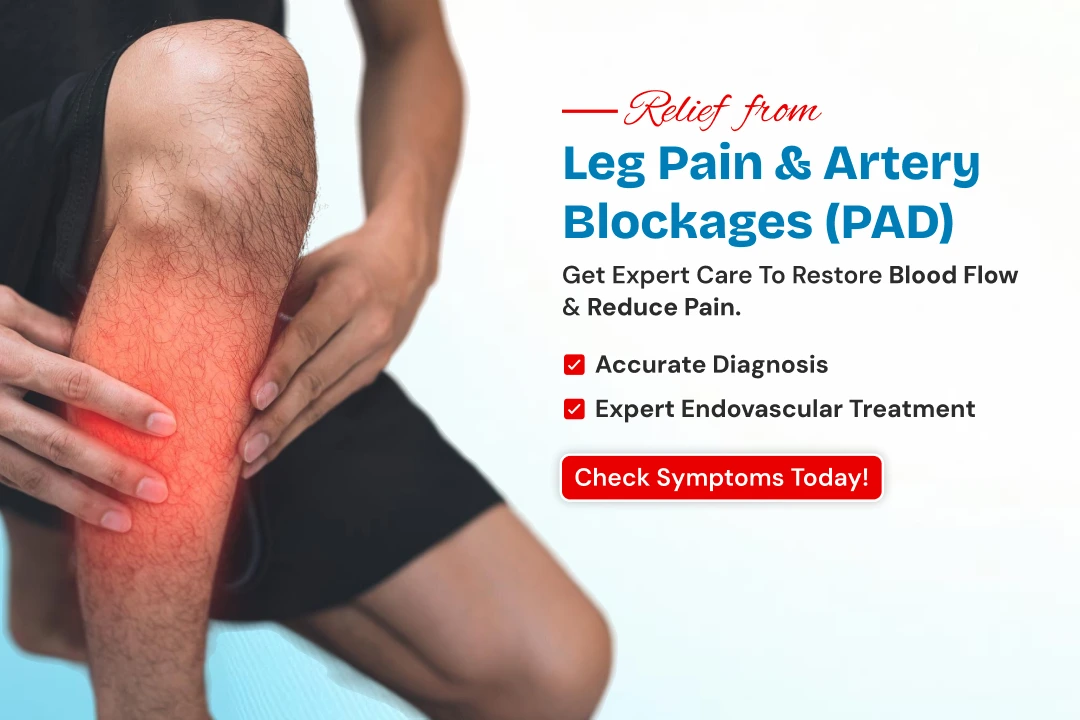
Understanding Lower Limb Arterial Diseases (PAD)
PAD occurs when arteries supplying the legs narrow, leading to pain, discoloration, and poor circulation. We offer angioplasty, stenting, atherectomy, and advanced limb-saving treatments.
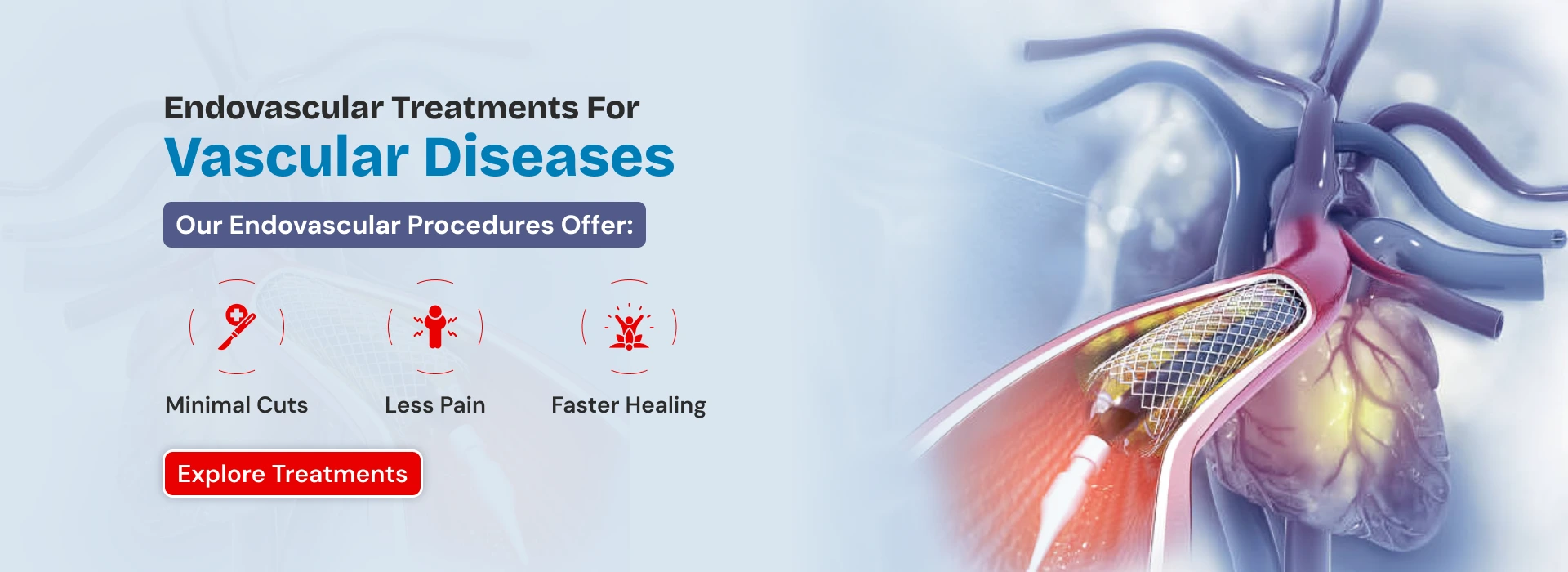
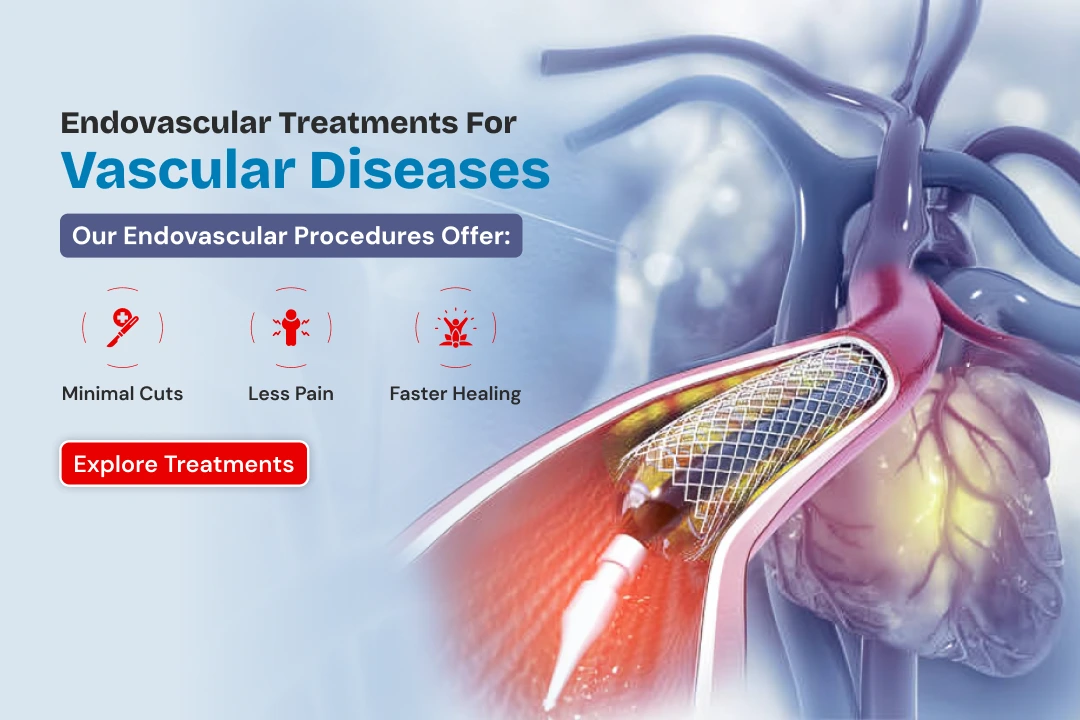
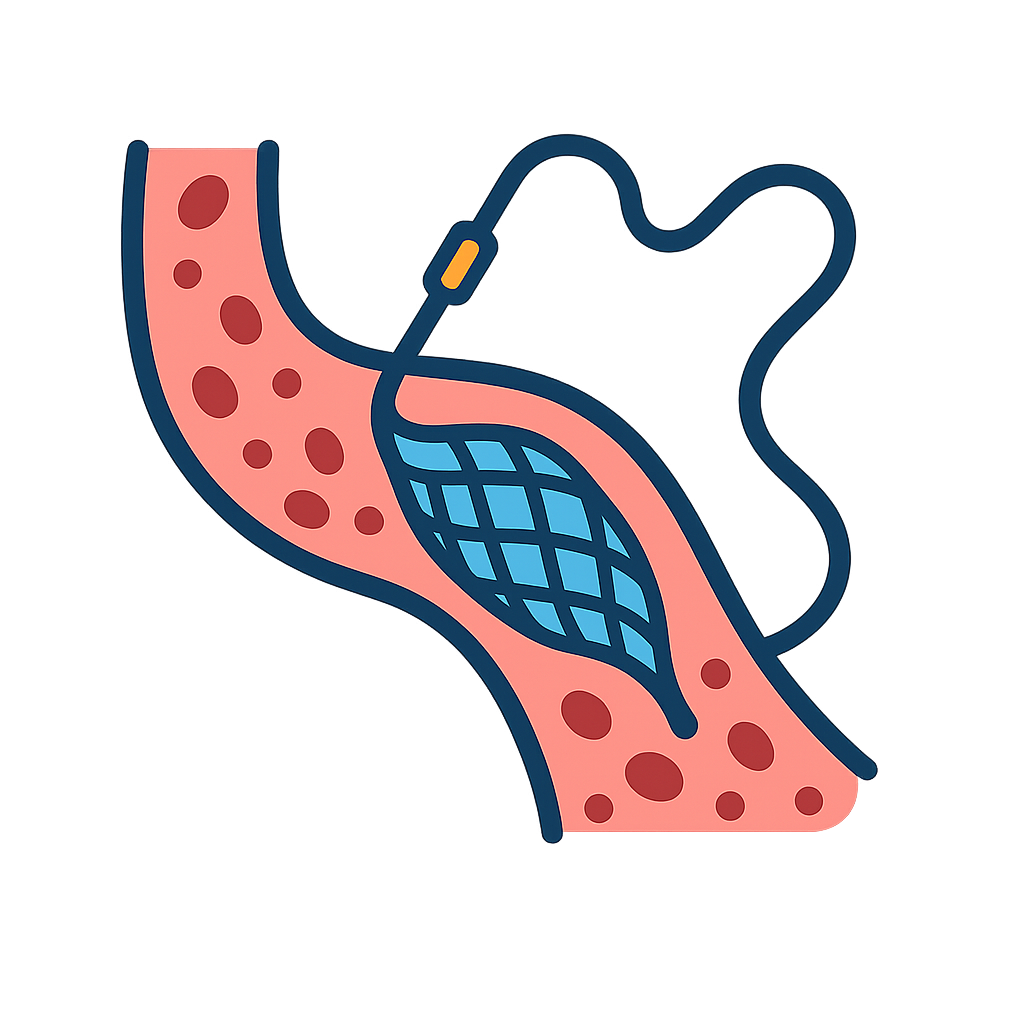
Endovascular Treatments
Minimally invasive vascular procedures such as angioplasty, stenting, embolization, and thrombolysis for fast, safe, and effective disease management without open surgery.
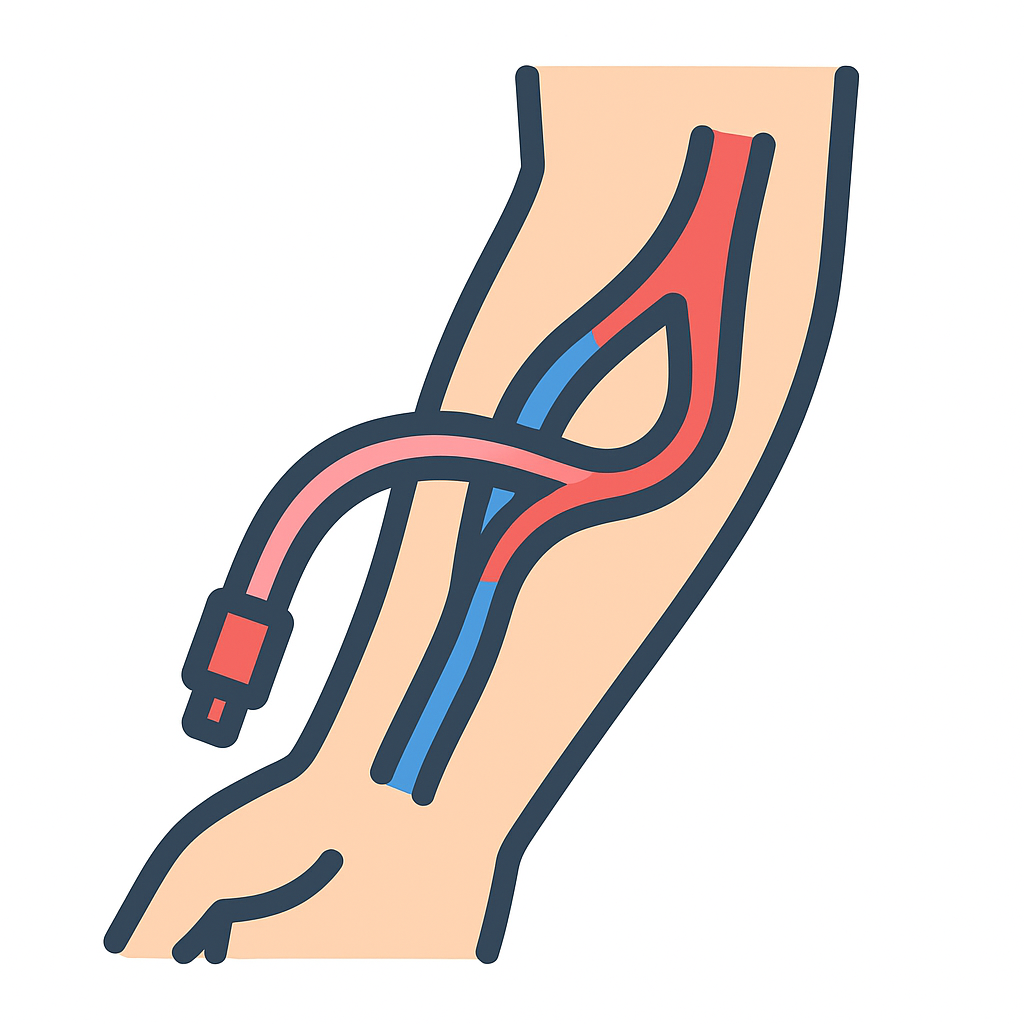
Dialysis Access Procedures
Expert creation and maintenance of AV fistulas, grafts, and catheter-based access for chronic kidney disease patients to ensure long-term, reliable dialysis access.
Vascular Malformations
Treatment of congenital and acquired vascular malformations, including AVMs, venous malformations, lymphatic malformations, and capillary malformations.
Carotid Disease
Blockages in the carotid arteries can lead to stroke. We provide carotid endarterectomy and carotid stenting to restore blood flow safely.
Treating Leg Ulcers
Venous, arterial, and diabetic ulcers require specialized vascular care. We provide advanced wound healing and circulation-restoring treatments.
Treatment of Swollen Legs
Leg swelling can be caused by venous insufficiency, lymphedema, or DVT. We offer accurate diagnosis and targeted vascular treatment to relieve swelling.
Vascular Trauma
Emergency treatment for arterial and venous injuries caused by accidents, fractures, and penetrating trauma to restore circulation quickly and safely.
Portal Mesenteric Vascular Diseases
Conditions affecting the portal and mesenteric veins can lead to severe abdominal complications. We offer expert diagnosis and minimally invasive treatments.
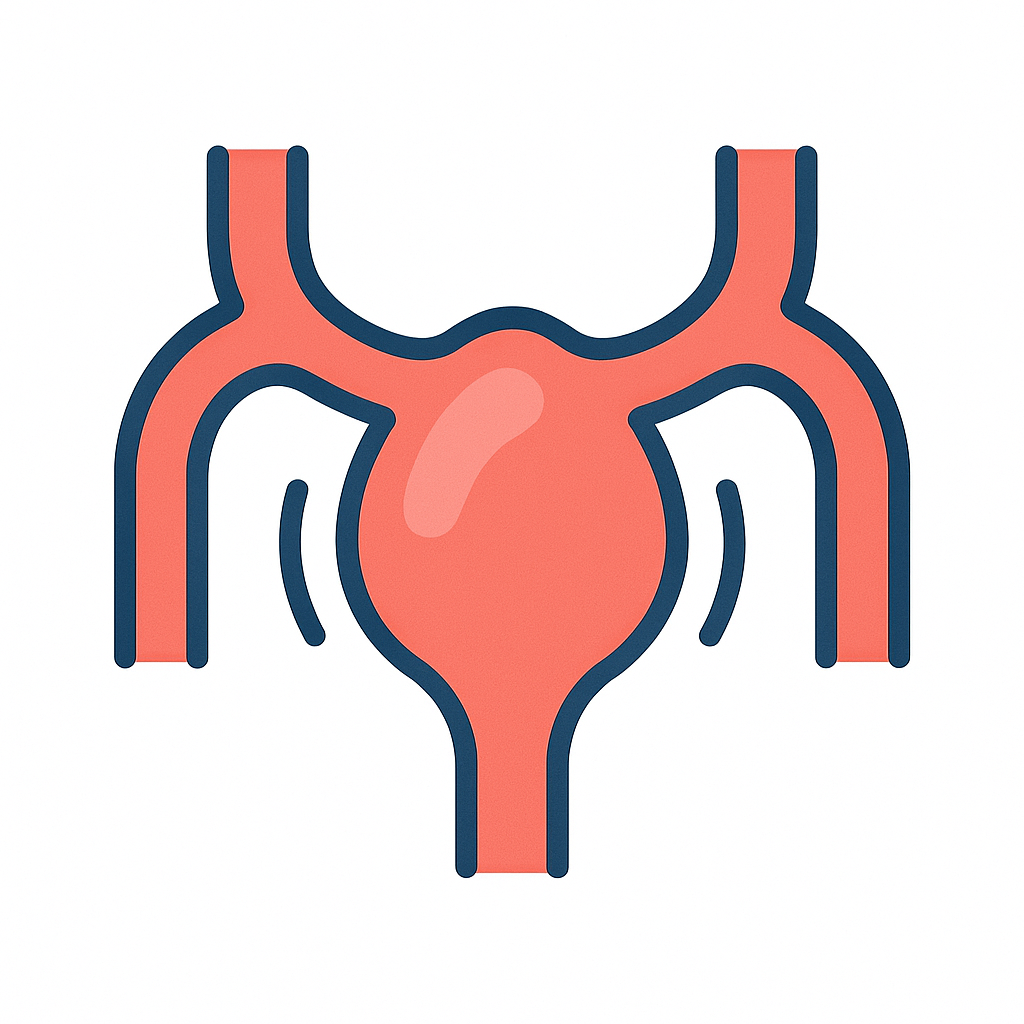
Aortic Aneurysm
Aortic aneurysms occur when the aorta weakens and bulges, posing a risk of rupture. We offer advanced screening and endovascular repair options.
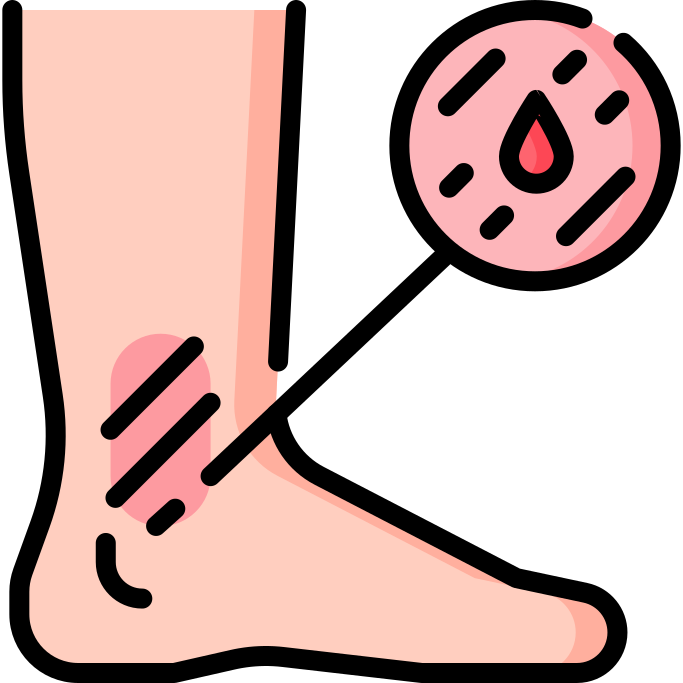
Diabetic Foot Ulcer
Diabetic foot ulcers require early evaluation to prevent infections and amputations. We provide limb salvage treatments and vascular restoration.
Deep Vein Thrombosis (DVT)
DVT is caused by clot formation in deep veins, often the legs. Our treatments include thrombolysis, clot removal, and vein preservation procedures.
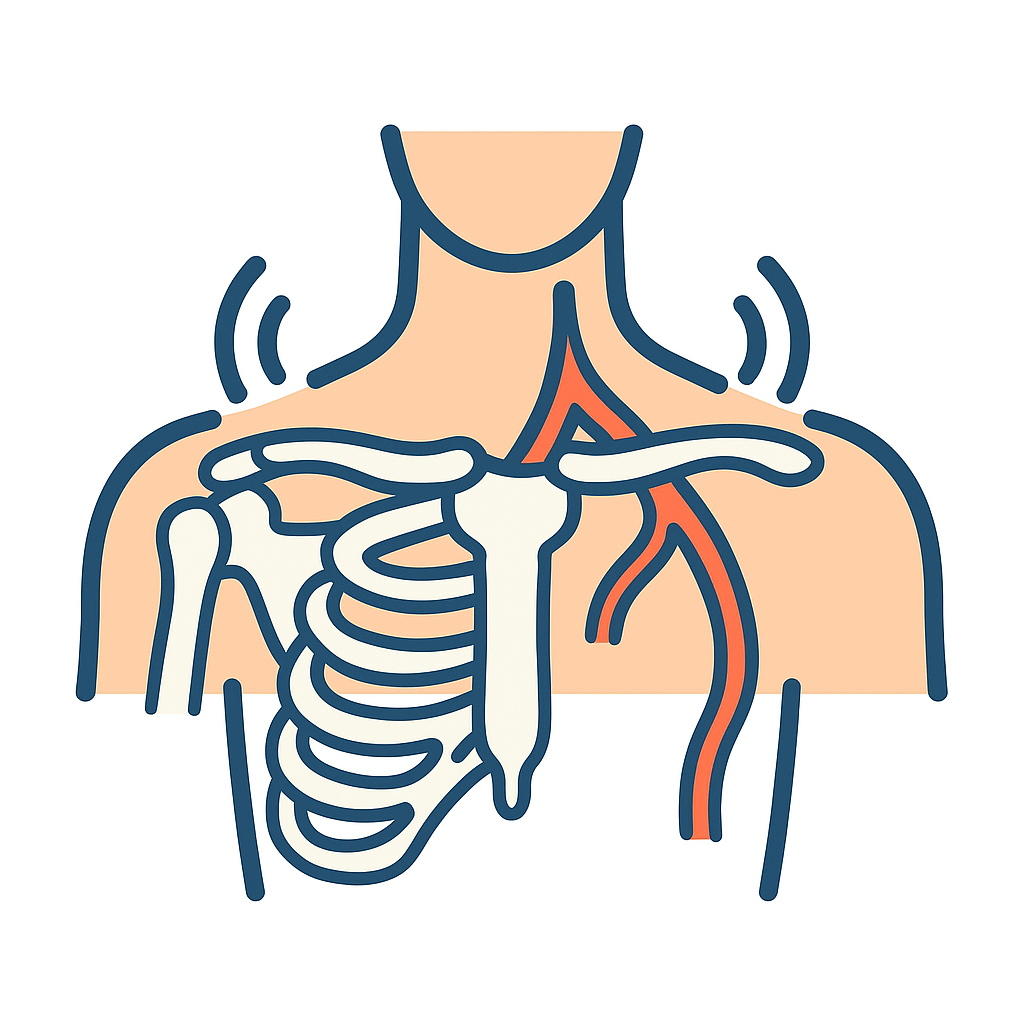
Cervical Rib & Thoracic Outlet Syndrome
TOS occurs when nerves or blood vessels are compressed near the neck and shoulder. We offer surgical and minimally invasive decompression solutions.
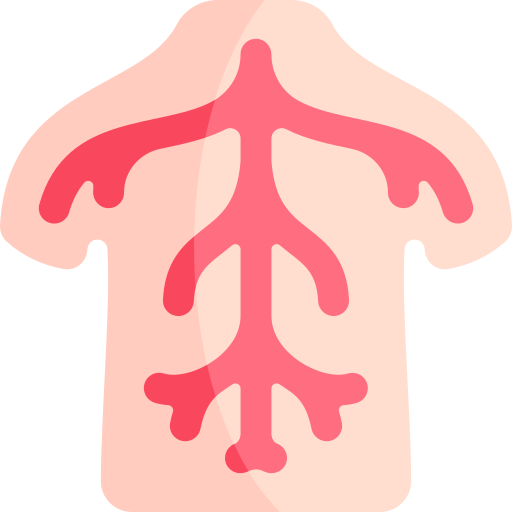
Mesenteric Ischaemia
Reduced blood flow to the intestines can be life-threatening. We specialize in early diagnosis and endovascular revascularization.
Leg Ulcer Treatment in Sarjapur Road
A leg ulcer is a persistent wound that develops on the skin of the lower leg and does not heal normally. While a small wound may initially appear harmless, an ulcer that remains open, becomes painful, leaks fluid, or shows signs of infection may require professional medical assessment. Problems with blood circulation are among the important factors that can contribute to delayed wound healing. Getting the underlying cause evaluated is therefore an important part of effective leg ulcer treatment in Sarjapur Road.
What Causes Leg Ulcers?
Leg ulcers can develop for several reasons, and identifying the cause is essential before deciding on treatment. Poor circulation in the veins or arteries may reduce the body's ability to deliver adequate oxygen and nutrients to the affected tissues. Conditions such as chronic venous insufficiency, peripheral artery disease, diabetes and previous vascular problems can increase the risk of wounds becoming difficult to heal.
In some patients, swelling of the legs, reduced mobility, repeated pressure or previous injury may also contribute to ulcer formation. Because different types of ulcers require different approaches, a vascular evaluation can help determine what is preventing the wound from healing properly.
When Should You Seek Treatment for a Leg Ulcer?
A wound that does not show normal healing should not be ignored. Medical attention may be particularly important when an ulcer:
- Remains open for an extended period
- Causes persistent pain or discomfort
- Produces fluid or has an unpleasant odour
- Develops redness or increasing swelling around the wound
- Shows changes in the surrounding skin
- Occurs alongside diabetes or known circulation problems
- Becomes larger or deeper over time
- Is accompanied by changes in the colour or temperature of the foot or leg
Early assessment can help identify circulation-related problems and prevent a wound from becoming more complicated.
How Is a Leg Ulcer Evaluated?
Leg ulcer management begins with understanding why the wound developed and why it is not healing. A vascular specialist may assess the ulcer, examine the pulses and circulation in the affected limb, and review the patient's medical history and risk factors.
Depending on the findings, vascular investigations may be recommended to evaluate blood flow through the arteries or veins. The information obtained from these assessments helps guide an appropriate treatment plan rather than treating the wound alone without addressing its underlying cause.
Leg Ulcer Treatment in Sarjapur Road
Treatment depends on the type and severity of the ulcer and the vascular problem contributing to it. Management may include appropriate wound care along with treatment directed at the underlying circulation problem.
For ulcers associated with venous disease, treatment may focus on improving venous circulation and managing swelling where clinically appropriate. If reduced arterial blood flow is contributing to poor healing, vascular treatment may be considered to improve circulation to the affected limb.
Patients with diabetes may require particularly careful monitoring because diabetes can affect wound healing and increase the risk of complications. Managing the underlying condition, protecting the wound and maintaining appropriate follow-up are important components of care.
Vascular Assessment for Non-Healing Leg Wounds
A non-healing ulcer can sometimes be an indication of an underlying vascular condition. Simply dressing the wound repeatedly may not address the reason it continues to remain open.
A vascular specialist can evaluate whether inadequate arterial blood flow, venous disease or another vascular issue is contributing to delayed healing. Identifying this factor can help determine whether the patient may benefit from conservative management, vascular intervention or a combination of approaches.
Why Choose Dr. Gurunath Reddy for Leg Ulcer Care?
Dr. Gurunath Reddy is a Vascular and Endovascular Surgeon in Bangalore with experience in the evaluation and management of vascular conditions affecting the limbs. His practice includes care related to peripheral vascular disease, diabetic foot problems, leg ulcers and other conditions where circulation can influence tissue health.
For patients searching for leg ulcer treatment in Sarjapur Road, a vascular-focused evaluation can be particularly relevant when a wound is persistent, recurrent or associated with symptoms of poor circulation. The treatment approach can then be planned according to the individual's condition and the underlying vascular findings.
Supporting Better Healing
Successful management of a leg ulcer involves more than treating the visible wound. Following the recommended wound-care plan, managing relevant medical conditions, attending scheduled reviews and protecting the affected leg can all support recovery.
Patients should also seek medical advice promptly if an existing ulcer becomes increasingly painful, swollen, discoloured or develops other concerning changes. Early evaluation may help prevent progression and support timely treatment.
Leg Ulcer Care Near Sarjapur Road, Bangalore
Sarjapur Road is one of Bangalore's rapidly developing residential and technology corridors, connecting areas such as HSR Layout, Bellandur, Koramangala and the eastern IT districts. The locality has grown considerably with new residential communities, workplaces, educational institutions and healthcare facilities. For residents living around Sarjapur Road and nearby neighbourhoods, access to specialised vascular care can make it easier to seek timely evaluation for persistent leg wounds and circulation-related concerns.
Book a Vascular Consultation
If you have a leg ulcer that is not healing as expected, identifying the underlying cause is an important first step. Dr. Gurunath Reddy provides specialised vascular and endovascular care in Bangalore, with evaluation focused on circulation-related conditions that can affect the legs and wound healing.
If you are looking for leg ulcer treatment in Sarjapur Road, consult a vascular specialist for an appropriate assessment and treatment plan based on your condition.
Vascular Surgery – FAQs
Answers to Common Patient Questions
Who is the best vascular surgeon in Jayanagar?
The best vascular surgeon is one with specialised training in both open and endovascular procedures, extensive experience, and a strong focus on patient safety and long-term outcomes.
What are the symptoms of vascular disease?
Common symptoms include leg pain while walking, swelling, non-healing wounds, skin discoloration, visible veins, numbness, and sudden limb pain. Early evaluation is important to prevent complications.
Is vascular surgery risky?
Modern vascular surgery, especially minimally invasive endovascular procedures, is generally safe when performed by experienced specialists. Risks are significantly lower compared to traditional open surgery.
How long does recovery take after vascular surgery?
Recovery depends on the procedure performed. Many endovascular treatments allow patients to resume daily activities within a few days, while open surgeries may require a longer recovery period.
When should I consult a vascular specialist?
You should consult a vascular specialist if you have persistent leg pain, swelling, non-healing ulcers, visible varicose veins, or risk factors such as diabetes and smoking.

.png)
.png)