.webp)
.webp)
 (1).webp)
.webp)
 Care.webp)



Expertise in Vascular & Endovascular Care, With Compassion For Every Patient
.png)
Expertise in Vascular & Endovascular Care, With Compassion For Every Patient
Dr. Gurunathreddy B is a leading Vascular and Endovascular Surgeon in Bangalore with 14 years of experience in treating complex vascular conditions. He heads the Vascular Surgery Division at St. John’s Medical College & Hospital, Sarjapur Road, and has performed over 3,500 successful procedures, including varicose veins, diabetic foot, peripheral artery disease, AV fistula, and aneurysm surgeries.
-
00
+Years of experience
-
00
+Vascular patients treated
-
00
+Successful varicose vein treatments
-
Advanced vascular & endovascular care
-
Patient-centric, ethical treatment
-
Focus on limb preservation & saving life
-
Minimally invasive treatment options
-
Clear communication & long-term follow-up
5:00 PM - 8:00 PM
+91 9019929234
Understanding the Full Spectrum of Vascular
Diseases & Treatments
-
 Understanding
Varicose Veins -
 Lower Limb Arterial Diseases & Gangrene
-
 Endovascular
Treatments -
 Dialysis Access
Procedures – AV Fistula -
 Vascular
Malformations -
 Carotid
Disease / Artery Stroke -
 Treating
Leg Ulcers -
 Treatment of
Swollen Legs -
 Vascular
Trauma -
 Portal-Mesenteric
Vascular Diseases -
 Aortic
Aneurysm -
 Diabetic Foot
Ulcer -
 Deep Vein
Thrombosis -
 Mesenteric
Ischaemia -
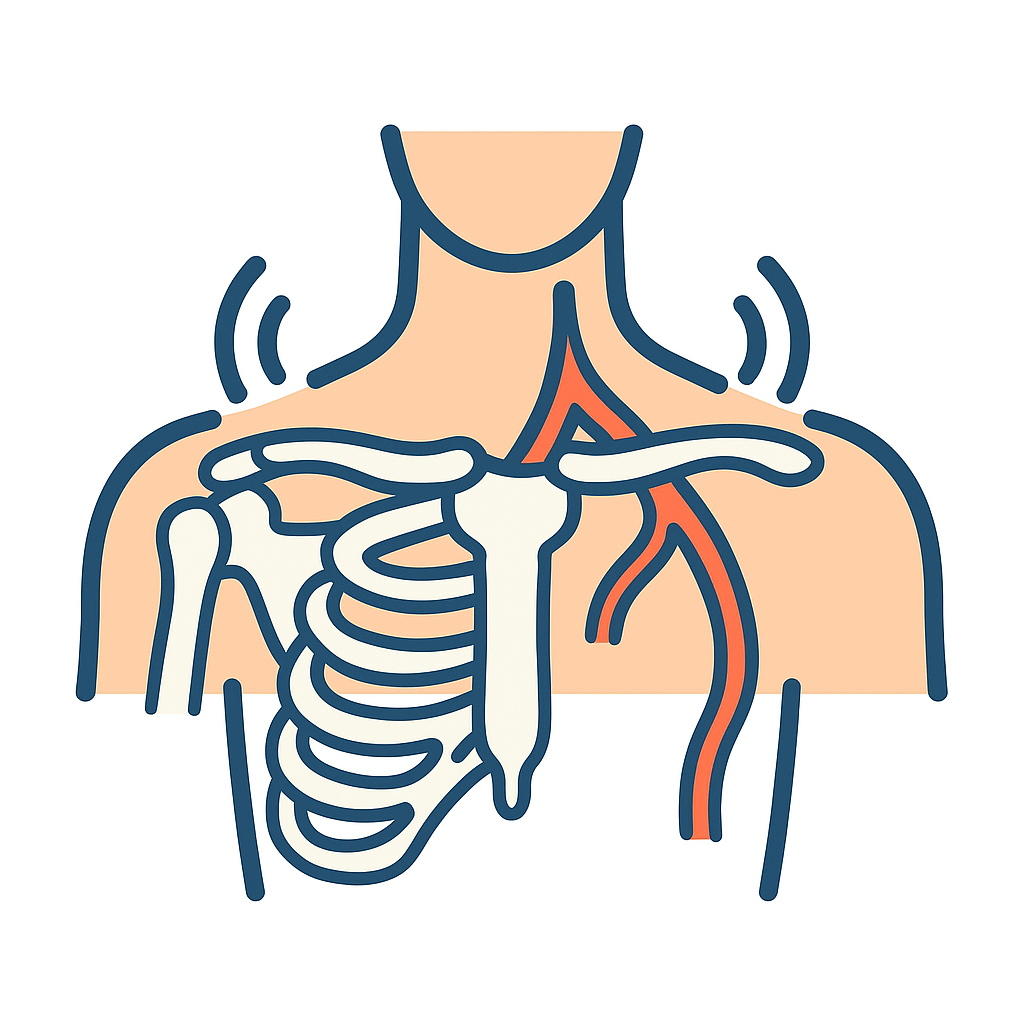 Cervical Rib & Thoracic
Outlet Syndrome


Understanding Lower Limb Arterial Diseases (PAD)
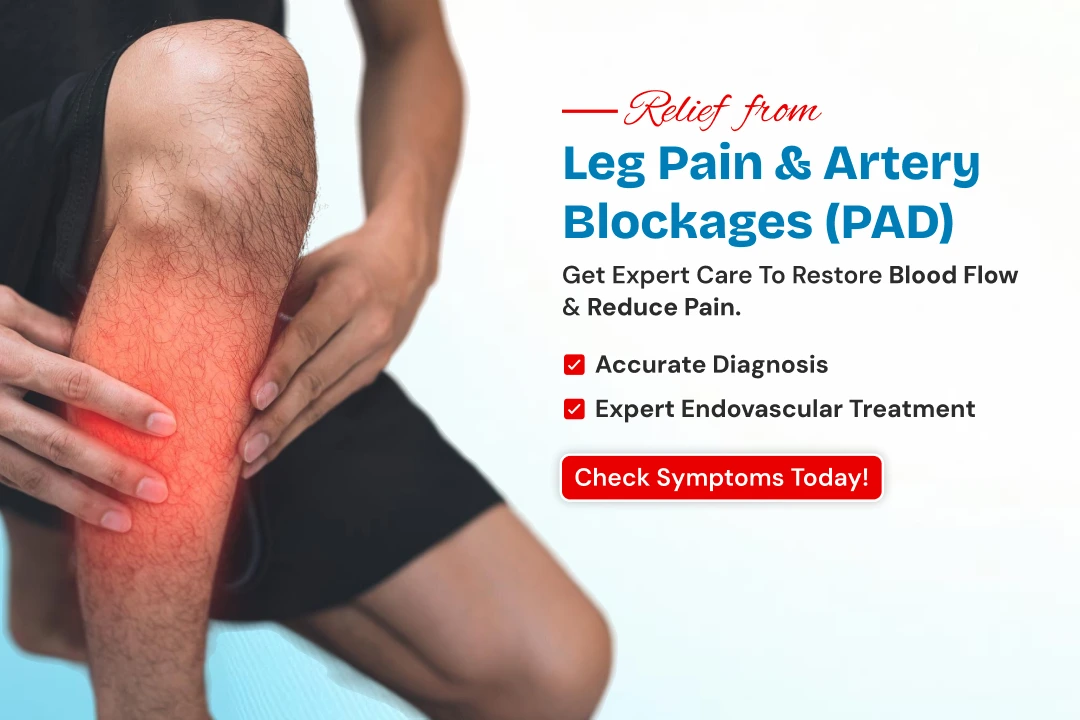
PAD occurs when arteries supplying the legs narrow, leading to pain, discoloration, and poor circulation. We offer angioplasty, stenting, atherectomy, and advanced limb-saving treatments.
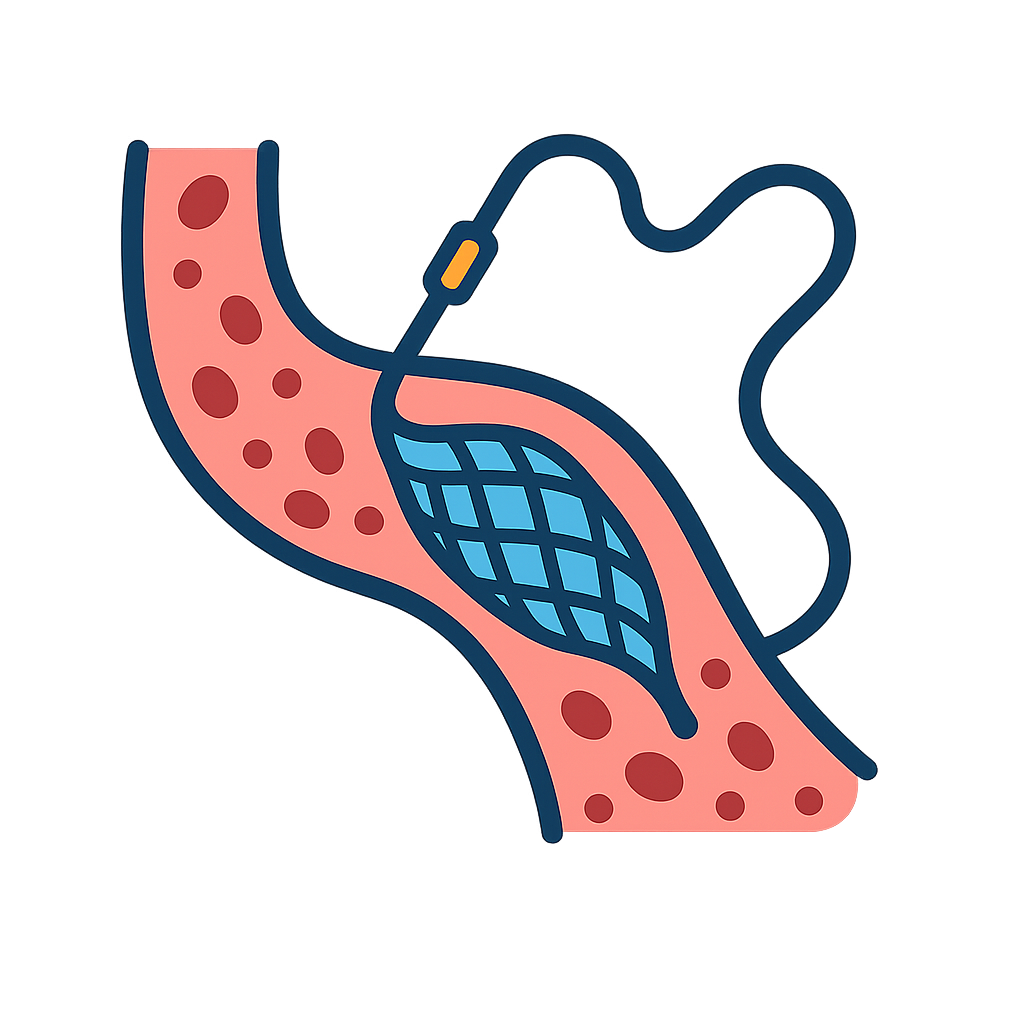
Endovascular Treatments
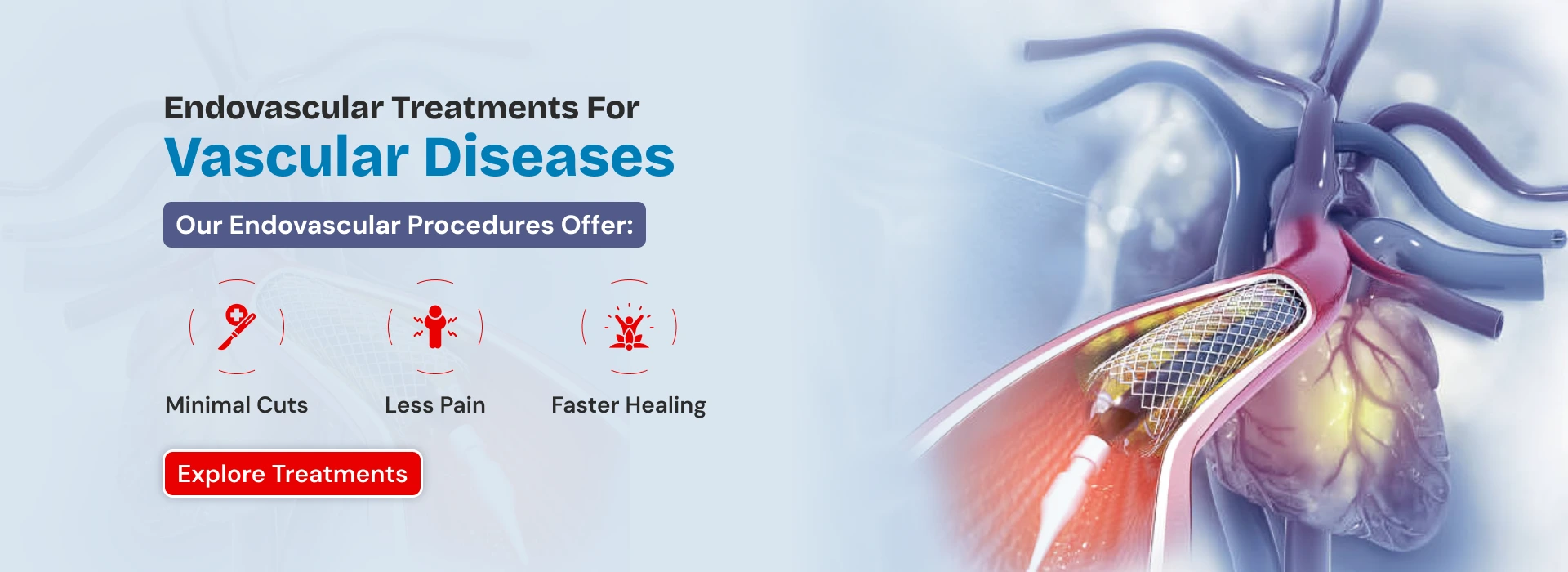
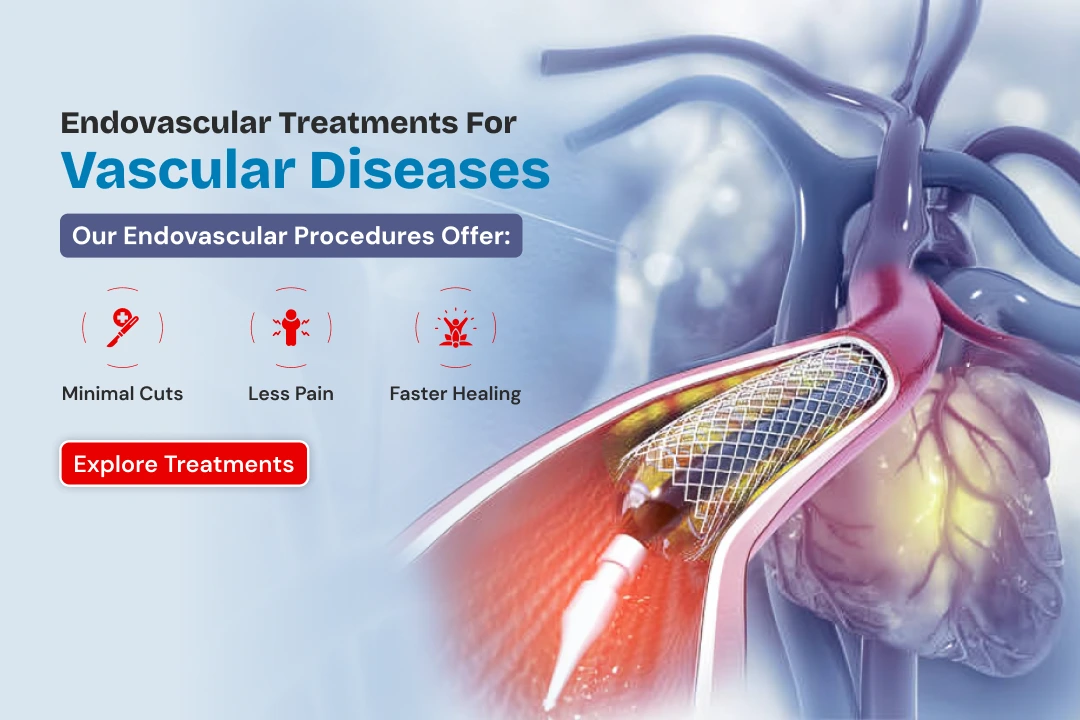
Minimally invasive vascular procedures such as angioplasty, stenting, embolization, and thrombolysis for fast, safe, and effective disease management without open surgery.
Dialysis Access Procedures
Expert creation and maintenance of AV fistulas, grafts, and catheter-based access for chronic kidney disease patients to ensure long-term, reliable dialysis access.
Vascular Malformations
Treatment of congenital and acquired vascular malformations, including AVMs, venous malformations, lymphatic malformations, and capillary malformations.
Carotid Disease
Blockages in the carotid arteries can lead to stroke. We provide carotid endarterectomy and carotid stenting to restore blood flow safely.
Treating Leg Ulcers
Venous, arterial, and diabetic ulcers require specialized vascular care. We provide advanced wound healing and circulation-restoring treatments.
Treatment of Swollen Legs
Leg swelling can be caused by venous insufficiency, lymphedema, or DVT. We offer accurate diagnosis and targeted vascular treatment to relieve swelling.
Vascular Trauma
Emergency treatment for arterial and venous injuries caused by accidents, fractures, and penetrating trauma to restore circulation quickly and safely.
Portal Mesenteric Vascular Diseases
Conditions affecting the portal and mesenteric veins can lead to severe abdominal complications. We offer expert diagnosis and minimally invasive treatments.
Aortic Aneurysm
Aortic aneurysms occur when the aorta weakens and bulges, posing a risk of rupture. We offer advanced screening and endovascular repair options.
Diabetic Foot Ulcer
Diabetic foot ulcers require early evaluation to prevent infections and amputations. We provide limb salvage treatments and vascular restoration.
Deep Vein Thrombosis (DVT)
DVT is caused by clot formation in deep veins, often the legs. Our treatments include thrombolysis, clot removal, and vein preservation procedures.
Cervical Rib & Thoracic Outlet Syndrome
TOS occurs when nerves or blood vessels are compressed near the neck and shoulder. We offer surgical and minimally invasive decompression solutions.
Mesenteric Ischaemia
Reduced blood flow to the intestines can be life-threatening. We specialize in early diagnosis and endovascular revascularization.
Leg Ulcer Treatment in Jayanagar
Leg ulcers are persistent wounds that develop on the lower leg and may take weeks or months to heal without appropriate treatment. They can occur due to poor blood circulation, problems with the veins, diabetes, infection, or other underlying conditions. If you are looking for leg ulcer treatment in Jayanagar, consulting a vascular specialist can help identify the cause of the ulcer and determine the most appropriate treatment approach.
What Are Leg Ulcers?
A leg ulcer is an open wound that develops on the skin of the lower leg and does not heal normally. Unlike a minor cut or injury that gradually improves, a leg ulcer can remain open, become painful, ooze fluid, or show signs of infection.
Leg ulcers are not simply a skin problem. In many patients, the underlying issue may involve the blood vessels supplying or draining the leg. Identifying the reason behind the ulcer is therefore an important part of effective treatment.
Common Causes of Leg Ulcers
Several vascular and medical conditions can contribute to the development of leg ulcers. Common causes include:
- Venous insufficiency: Poor functioning of the leg veins can cause blood to accumulate in the lower limbs, increasing pressure and contributing to ulcer formation.
- Peripheral artery disease (PAD): Reduced blood flow through the arteries can limit the oxygen and nutrients reaching the tissues, making wounds difficult to heal.
- Diabetes: Diabetes can affect circulation, sensation and wound healing, increasing the risk of persistent foot and leg wounds.
- Varicose veins: In some individuals, long-standing venous problems can contribute to skin changes and ulcer development.
- Infections: An existing wound can become infected and may worsen without appropriate care.
- Other vascular conditions: Certain disorders affecting the arteries or veins can also interfere with normal wound healing.
Understanding the underlying cause is essential because treatment varies depending on whether the ulcer is primarily related to arterial circulation, venous disease, diabetes, infection or another condition.
Symptoms of a Leg Ulcer
Leg ulcers may appear differently depending on their underlying cause. Possible symptoms include:
- An open wound that does not heal
- Pain or tenderness around the affected area
- Swelling of the leg or ankle
- Redness or changes in skin colour
- Fluid or discharge from the wound
- Changes in the surrounding skin
- Thickened or hardened skin
- Coldness or reduced sensation in the affected limb
- Signs of infection such as increasing redness, warmth or discharge
A wound that continues to remain open or repeatedly returns should be evaluated rather than treated only with home wound care.
Why Does a Leg Ulcer Take So Long to Heal?
Normal wound healing depends on adequate blood supply, healthy tissue and effective drainage. When circulation is impaired, the affected area may not receive enough oxygen and nutrients for proper healing.
Venous disease can cause increased pressure in the lower leg, while arterial disease can reduce blood flow to the tissues. Diabetes can further complicate healing through its effects on circulation and sensation.
This is why treating only the visible wound may not be sufficient. Leg ulcer treatment should focus on identifying and addressing the underlying cause whenever possible.
Diagnosis of Leg Ulcers
A vascular specialist may assess the ulcer, examine the affected limb and evaluate the circulation to determine why healing is delayed.
Depending on the clinical situation, vascular assessment may include:
- Physical examination of the wound and limb
- Assessment of arterial and venous circulation
- Evaluation for peripheral artery disease
- Assessment of venous insufficiency
- Vascular imaging when required
- Evaluation of associated conditions such as diabetes
The findings help determine whether the patient requires wound care alone or treatment directed at an underlying vascular problem.
Leg Ulcer Treatment
The treatment of a leg ulcer depends on its cause, severity, location and the overall health of the patient. Treatment may involve a combination of wound management and treatment of the underlying vascular condition.
Wound Care
Proper wound care is an important part of managing a leg ulcer. The wound may require appropriate cleaning, dressing and monitoring to support healing and reduce the risk of complications.
Treating Venous Problems
When an ulcer is associated with venous insufficiency or other venous disease, treatment may focus on improving venous circulation and managing the underlying condition.
Improving Arterial Blood Flow
If reduced arterial circulation is responsible for poor wound healing, the vascular specialist may evaluate the arteries and determine whether treatment is required to improve blood flow.
Depending on the condition, vascular procedures such as peripheral angioplasty or other revascularisation procedures may be considered when clinically appropriate.
Managing Diabetes
Patients with diabetes require particular attention because high blood sugar, reduced sensation and circulation problems can make wounds harder to heal. Managing the underlying condition and protecting the affected limb are important components of treatment.
Infection Management
If a leg ulcer becomes infected, timely medical assessment is important. Treatment may include appropriate wound care and other measures based on the nature and severity of the infection.
When Should You Consult a Vascular Specialist?
You should consider a vascular evaluation if a wound on your leg:
- Does not heal normally
- Keeps returning
- Is associated with significant swelling
- Causes persistent or increasing pain
- Develops discharge or other signs of infection
- Occurs alongside diabetes
- Is accompanied by changes in skin colour or temperature
- Is associated with symptoms suggesting poor circulation
Early evaluation can help identify whether an underlying vascular problem is affecting the healing process.
Leg Ulcer Treatment in Jayanagar
If you are searching for leg ulcer treatment in Jayanagar, Dr. Gurunath Reddy provides specialised care in vascular and endovascular conditions. A detailed assessment can help determine whether the ulcer is related to venous disease, arterial circulation problems, diabetes or another underlying condition.
The treatment plan is based on the individual's condition and may involve wound management, medical treatment or vascular intervention when required. The objective is not only to manage the ulcer but also to address the vascular factors that may be preventing proper healing.
Why Choose Dr. Gurunath Reddy for Leg Ulcer Treatment?
Dr. Gurunath Reddy is a Vascular & Endovascular Surgeon in Bangalore, with experience in managing vascular conditions affecting the arteries and veins.
His clinical focus includes conditions such as peripheral artery disease, diabetic foot problems, varicose veins, leg ulcers and other vascular disorders. His approach to leg ulcers involves looking beyond the wound itself to assess the underlying vascular factors that may be affecting healing.
Patients with persistent or recurrent leg ulcers can benefit from a specialist evaluation to understand the cause of the problem and explore appropriate treatment options.
Jayanagar: A Well-Connected Residential and Healthcare Hub in Bangalore
Jayanagar is one of Bangalore's established neighbourhoods, known for its tree-lined streets, residential communities, local markets and well-developed healthcare ecosystem. Its location in South Bangalore provides convenient access from surrounding areas such as Basavanagudi, JP Nagar, BTM Layout and Banashankari. With a mix of residential and commercial zones and easy access to healthcare facilities, Jayanagar is a practical location for patients seeking specialised medical consultation without travelling far across the city.
Consult a Vascular Specialist for a Persistent Leg Ulcer
A leg ulcer that does not heal should not be ignored. Finding the underlying cause is an important step towards appropriate treatment and preventing further complications.
If you are looking for leg ulcer treatment in Jayanagar or other parts of Bangalore, consult Dr. Gurunath Reddy for a vascular evaluation and an individualised treatment plan based on your condition.
Leg Ulcer Treatment – FAQs
Common Questions Patients Ask
What is the main cause of leg ulcers?
The most common causes of leg ulcers are venous insufficiency, peripheral artery disease, and diabetes. Poor blood circulation prevents proper healing, leading to chronic open wounds.
How long does a leg ulcer take to heal?
Healing time depends on the underlying cause and severity. With proper vascular treatment and wound care, many ulcers show improvement within a few weeks, though chronic cases may take longer.
Is surgery required for leg ulcer treatment?
Not always. Some ulcers heal with compression therapy and wound care. However, if there is blocked blood flow, minimally invasive vascular procedures like angioplasty may be required.
Can diabetic patients develop leg ulcers?
Yes. Diabetes increases the risk of foot and leg ulcers due to nerve damage and poor circulation. Proper sugar control and early vascular evaluation are essential for prevention.
When should I consult a specialist for a leg ulcer?
You should consult a vascular specialist if the wound does not heal within two weeks, becomes painful, shows signs of infection, or keeps recurring despite treatment.

.png)
.png)