.webp)
.webp)
 (1).webp)
.webp)
 Care.webp)
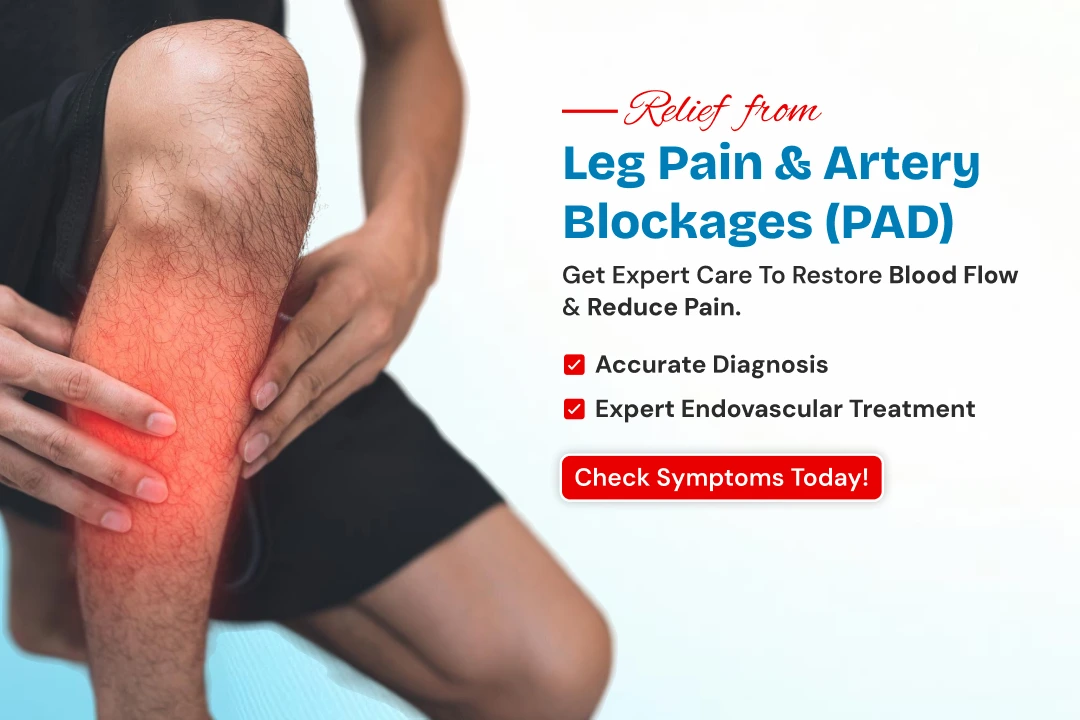



Expertise in Vascular & Endovascular Care, With Compassion For Every Patient
.png)
Expertise in Vascular & Endovascular Care, With Compassion For Every Patient
Dr. Gurunathreddy B is a leading Vascular and Endovascular Surgeon in Bangalore with 14 years of experience in treating complex vascular conditions. He heads the Vascular Surgery Division at St. John’s Medical College & Hospital, Sarjapur Road, and has performed over 3,500 successful procedures, including varicose veins, diabetic foot, peripheral artery disease, AV fistula, and aneurysm surgeries.
-
00
+Years of experience
-
00
+Vascular patients treated
-
00
+Successful varicose vein treatments
-
Advanced vascular & endovascular care
-
Patient-centric, ethical treatment
-
Focus on limb preservation & saving life
-
Minimally invasive treatment options
-
Clear communication & long-term follow-up
5:00 PM - 8:00 PM
+91 9019929234
Understanding the Full Spectrum of Vascular
Diseases & Treatments
-
 Understanding
Varicose Veins -
 Lower Limb Arterial Diseases & Gangrene
-
 Endovascular
Treatments -
 Dialysis Access
Procedures – AV Fistula -
 Vascular
Malformations -
 Carotid
Disease / Artery Stroke -
 Treating
Leg Ulcers -
 Treatment of
Swollen Legs -
 Vascular
Trauma -
 Portal-Mesenteric
Vascular Diseases -
 Aortic
Aneurysm -
 Diabetic Foot
Ulcer -
 Deep Vein
Thrombosis -
 Mesenteric
Ischaemia -
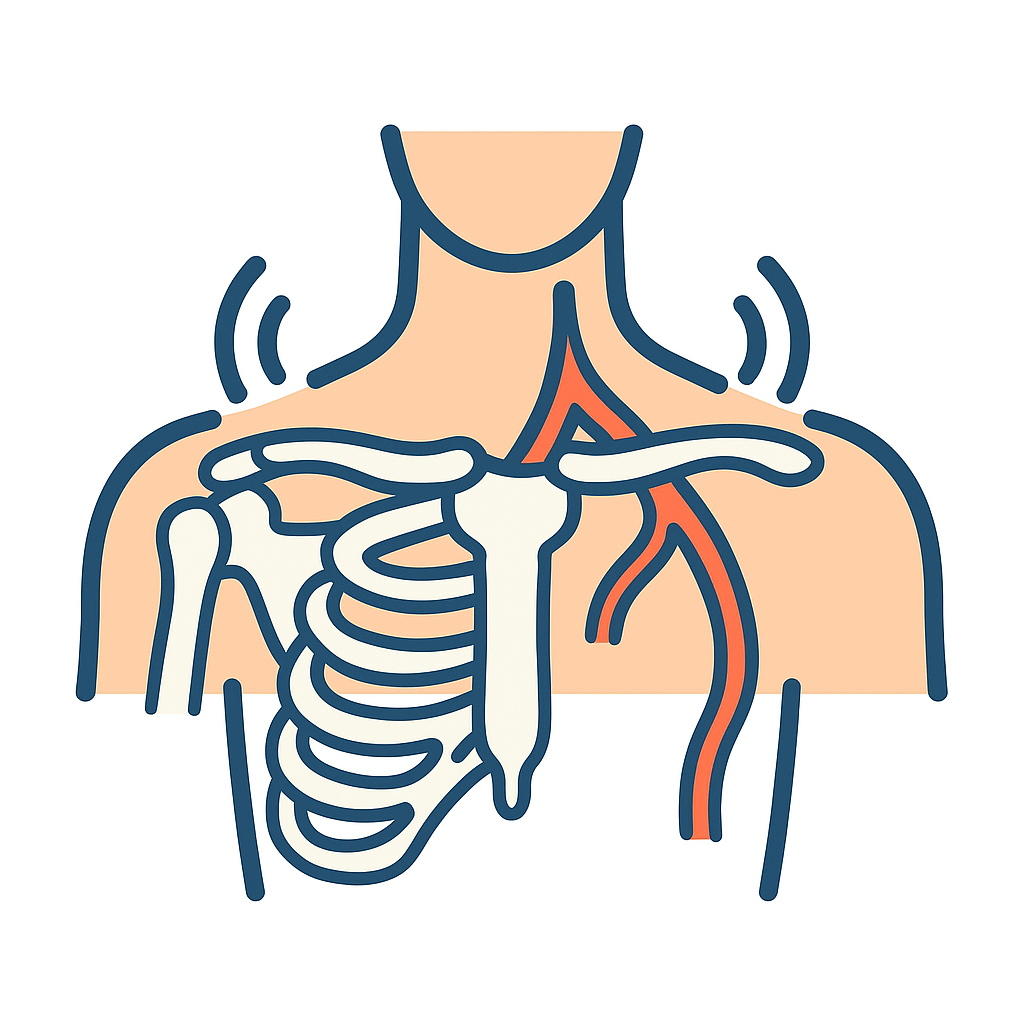 Cervical Rib & Thoracic
Outlet Syndrome


Understanding Lower Limb Arterial Diseases (PAD)
PAD occurs when arteries supplying the legs narrow, leading to pain, discoloration, and poor circulation. We offer angioplasty, stenting, atherectomy, and advanced limb-saving treatments.
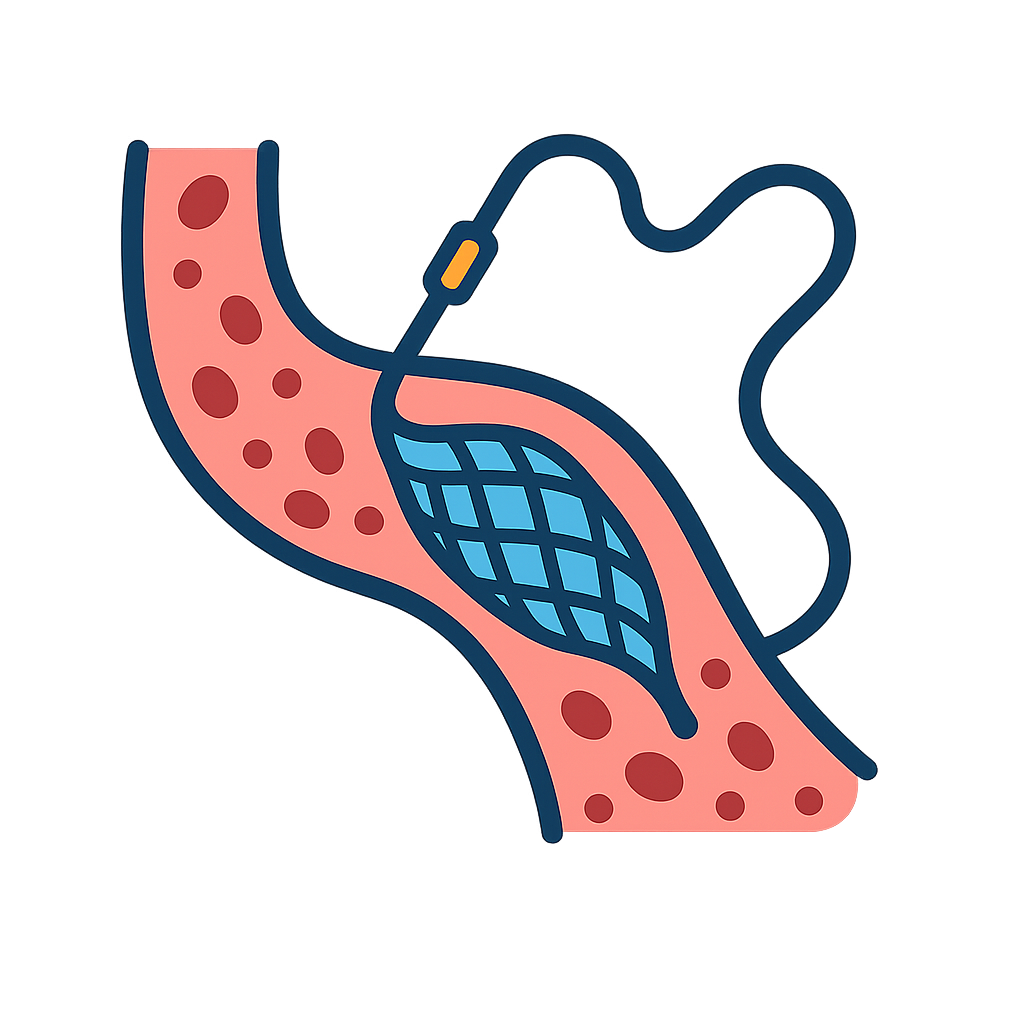
Endovascular Treatments
Minimally invasive vascular procedures such as angioplasty, stenting, embolization, and thrombolysis for fast, safe, and effective disease management without open surgery.
Dialysis Access Procedures
Expert creation and maintenance of AV fistulas, grafts, and catheter-based access for chronic kidney disease patients to ensure long-term, reliable dialysis access.
Vascular Malformations
Treatment of congenital and acquired vascular malformations, including AVMs, venous malformations, lymphatic malformations, and capillary malformations.
Carotid Disease
Blockages in the carotid arteries can lead to stroke. We provide carotid endarterectomy and carotid stenting to restore blood flow safely.
Treating Leg Ulcers
Venous, arterial, and diabetic ulcers require specialized vascular care. We provide advanced wound healing and circulation-restoring treatments.
Treatment of Swollen Legs
Leg swelling can be caused by venous insufficiency, lymphedema, or DVT. We offer accurate diagnosis and targeted vascular treatment to relieve swelling.
Vascular Trauma
Emergency treatment for arterial and venous injuries caused by accidents, fractures, and penetrating trauma to restore circulation quickly and safely.
Portal Mesenteric Vascular Diseases
Conditions affecting the portal and mesenteric veins can lead to severe abdominal complications. We offer expert diagnosis and minimally invasive treatments.
Aortic Aneurysm
Aortic aneurysms occur when the aorta weakens and bulges, posing a risk of rupture. We offer advanced screening and endovascular repair options.
Diabetic Foot Ulcer
Diabetic foot ulcers require early evaluation to prevent infections and amputations. We provide limb salvage treatments and vascular restoration.
Deep Vein Thrombosis (DVT)
DVT is caused by clot formation in deep veins, often the legs. Our treatments include thrombolysis, clot removal, and vein preservation procedures.
Cervical Rib & Thoracic Outlet Syndrome
TOS occurs when nerves or blood vessels are compressed near the neck and shoulder. We offer surgical and minimally invasive decompression solutions.
Mesenteric Ischaemia
Reduced blood flow to the intestines can be life-threatening. We specialize in early diagnosis and endovascular revascularization.
Leg Ulcer Treatment in Hsr Layout – Advanced Vascular Care for Faster Healing
Leg ulcers are open sores or wounds that appear on the lower limbs due to poor circulation, diabetes, venous insufficiency, or other underlying vascular conditions. They can be painful, slow to heal, and prone to infection if not treated promptly. Our Leg Ulcer Treatment in Hsr Layout offers comprehensive care using advanced diagnostic and minimally invasive treatments designed to promote rapid healing and prevent recurrence.
These wounds often result from chronic venous insufficiency, arterial blockages, or diabetic complications. If left untreated, leg ulcers can progress to deeper tissue damage, infections, or even threaten limb viability. Early intervention at a specialised vascular centre ensures accurate diagnosis, personalised treatment plans, and effective healing strategies.
What Is Leg Ulcer Treatment?
Leg ulcer treatment involves a combination of medical, surgical, and lifestyle approaches tailored to the cause and severity of the ulcer. Modern vascular clinics, including our Leg Ulcer Treatment in Hsr Layout, use advanced diagnostic tools like colour Doppler ultrasound, ankle-brachial index measurements, and blood flow analysis to identify the underlying issue.
Treatment strategies may include wound care, debridement, infection control, compression therapy, and minimally invasive procedures such as endovascular interventions to restore proper circulation and accelerate healing.
Causes and Risk Factors for Leg Ulcers
Leg ulcers can develop due to a variety of medical conditions and lifestyle factors:
- Chronic venous insufficiency causing poor blood return from the legs
- Peripheral artery disease reducing blood flow to the lower limbs
- Diabetes leading to nerve damage and poor wound healing
- Infections or trauma to the skin that fail to heal
- Obesity or prolonged immobility increasing pressure on the legs
- Age and hereditary vascular conditions
Benefits of Choosing Expert Leg Ulcer Care
Visiting a specialised clinic for Leg Ulcer Treatment in Hsr Layout provides several advantages:
- Accurate diagnosis of the underlying cause of the ulcer
- Personalised treatment plans based on severity and patient health
- Advanced wound care techniques to accelerate healing
- Minimally invasive vascular interventions when necessary
- Prevention of recurrence and long-term monitoring
Treatment Options for Leg Ulcers
Treatment may include a combination of approaches:
- Wound Care and Dressing: Regular cleaning, specialised dressings, and topical medications to prevent infection.
- Compression Therapy: Medical-grade stockings or bandages improve venous circulation and reduce swelling.
- Debridement: Removal of dead tissue to promote healthy skin growth.
- Endovascular Procedures: Minimally invasive techniques such as angioplasty and stenting restore proper blood flow in arteries and veins.
- Diabetic Foot Management: Blood sugar control, offloading techniques, and specialist care prevent complications in diabetic patients.
- Lifestyle Modifications: Elevating legs, walking, maintaining healthy weight, and avoiding prolonged sitting or standing.
Importance of Early Intervention
Early treatment of leg ulcers prevents infections, reduces healing time, and lowers the risk of chronic complications. Patients who seek timely care at our Leg Ulcer Treatment in Hsr Layout benefit from expert evaluation, advanced technology, and tailored therapies designed for lasting results.
If you notice non-healing wounds, persistent swelling, skin discoloration, or pain in the lower legs, consult a vascular specialist immediately. Modern treatments can restore circulation, promote rapid wound healing, and improve overall leg health.
Leg Ulcer Treatment – FAQs
Answers to Common Patient Questions
What causes leg ulcers?
Leg ulcers may develop due to poor circulation, diabetes, venous insufficiency, peripheral artery disease, infections, or trauma. Early evaluation by a vascular specialist ensures effective treatment.
How are leg ulcers treated?
Treatment includes wound care, compression therapy, debridement, infection control, endovascular procedures, lifestyle changes, and diabetic foot management to promote healing and prevent recurrence.
Is leg ulcer treatment painful?
Modern leg ulcer treatments are designed to be minimally invasive and comfortable. Pain is usually managed with local care, analgesics, and proper wound dressing techniques.
How long does it take for a leg ulcer to heal?
Healing time depends on the ulcer’s severity, underlying cause, and treatment method. With expert care, many patients experience significant improvement within weeks, while complex cases may require longer-term management.
When should I consult a specialist for a leg ulcer?
Consult a vascular specialist if you notice non-healing wounds, leg swelling, persistent pain, skin discoloration, or signs of infection. Early intervention improves outcomes and reduces the risk of complications.

.png)
.png)