.webp)
.webp)
 (1).webp)
.webp)
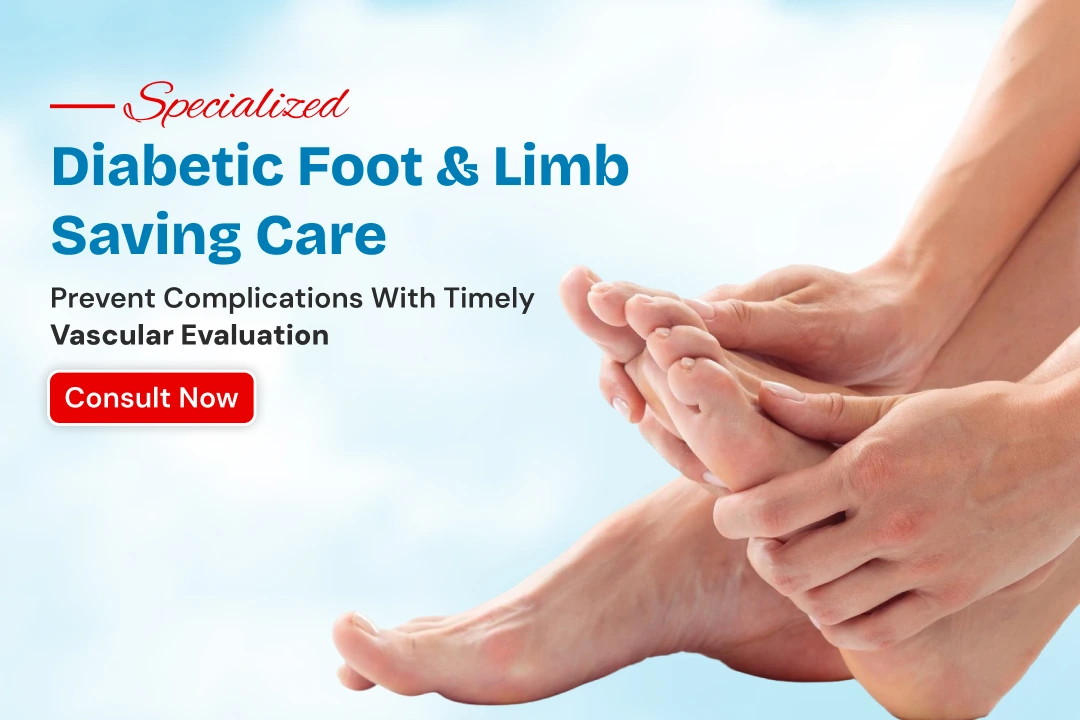
 Care.webp)
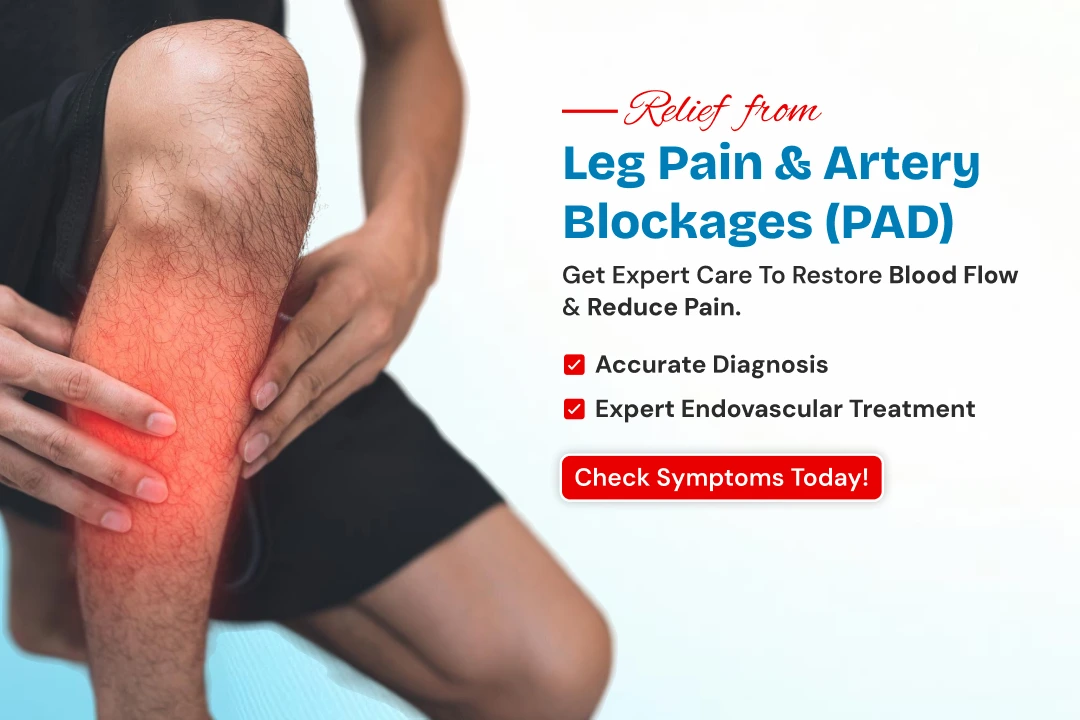



Expertise in Vascular & Endovascular Care, With Compassion For Every Patient
.png)
Expertise in Vascular & Endovascular Care, With Compassion For Every Patient
Dr. Gurunathreddy B is a leading Vascular and Endovascular Surgeon in Bangalore with 14 years of experience in treating complex vascular conditions. He heads the Vascular Surgery Division at St. John’s Medical College & Hospital, Sarjapur Road, and has performed over 3,500 successful procedures, including varicose veins, diabetic foot, peripheral artery disease, AV fistula, and aneurysm surgeries.
-
00
+Years of experience
-
00
+Vascular patients treated
-
00
+Successful varicose vein treatments
-
Advanced vascular & endovascular care
-
Patient-centric, ethical treatment
-
Focus on limb preservation & saving life
-
Minimally invasive treatment options
-
Clear communication & long-term follow-up
5:00 PM - 8:00 PM
+91 9019929234
Understanding the Full Spectrum of Vascular
Diseases & Treatments
-
 Understanding
Varicose Veins -
 Lower Limb Arterial Diseases & Gangrene
-
 Endovascular
Treatments -
 Dialysis Access
Procedures – AV Fistula -
 Vascular
Malformations -
 Carotid
Disease / Artery Stroke -
 Treating
Leg Ulcers -
 Treatment of
Swollen Legs -
 Vascular
Trauma -
 Portal-Mesenteric
Vascular Diseases -
 Aortic
Aneurysm -
 Diabetic Foot
Ulcer -
 Deep Vein
Thrombosis -
 Mesenteric
Ischaemia -
 Cervical Rib & Thoracic
Outlet Syndrome

Understanding Lower Limb Arterial Diseases (PAD)
PAD occurs when arteries supplying the legs narrow, leading to pain, discoloration, and poor circulation. We offer angioplasty, stenting, atherectomy, and advanced limb-saving treatments.
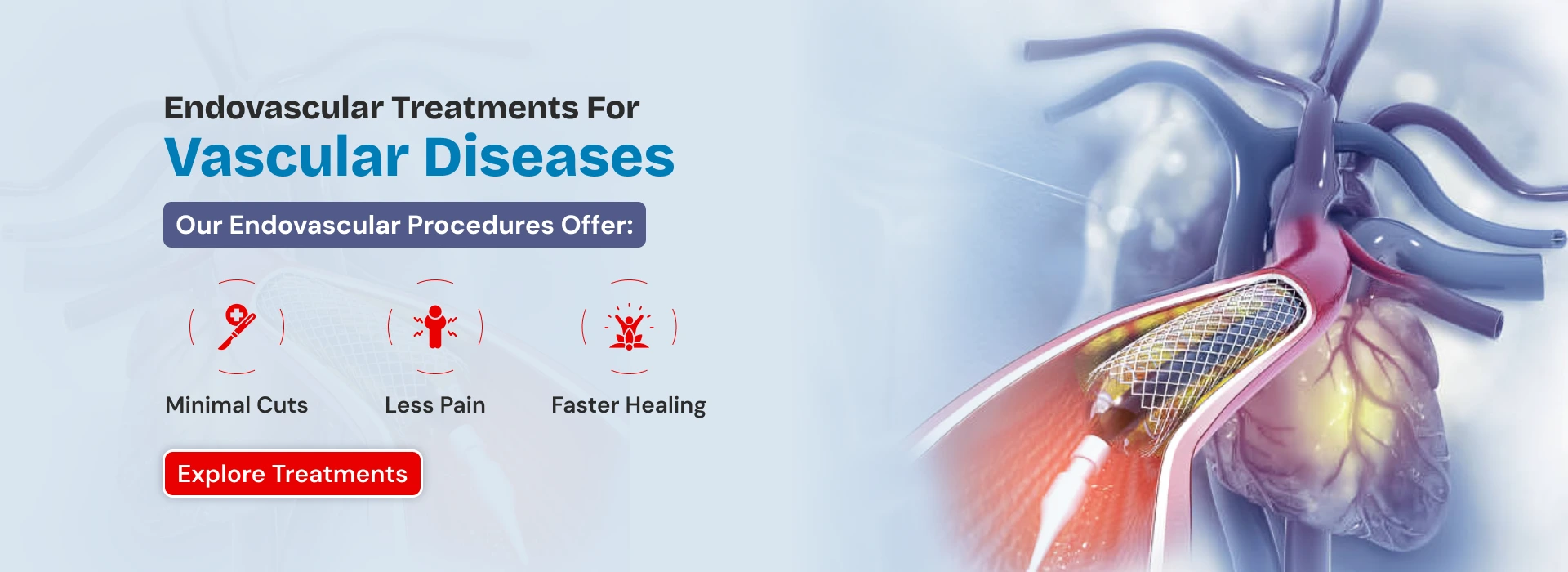
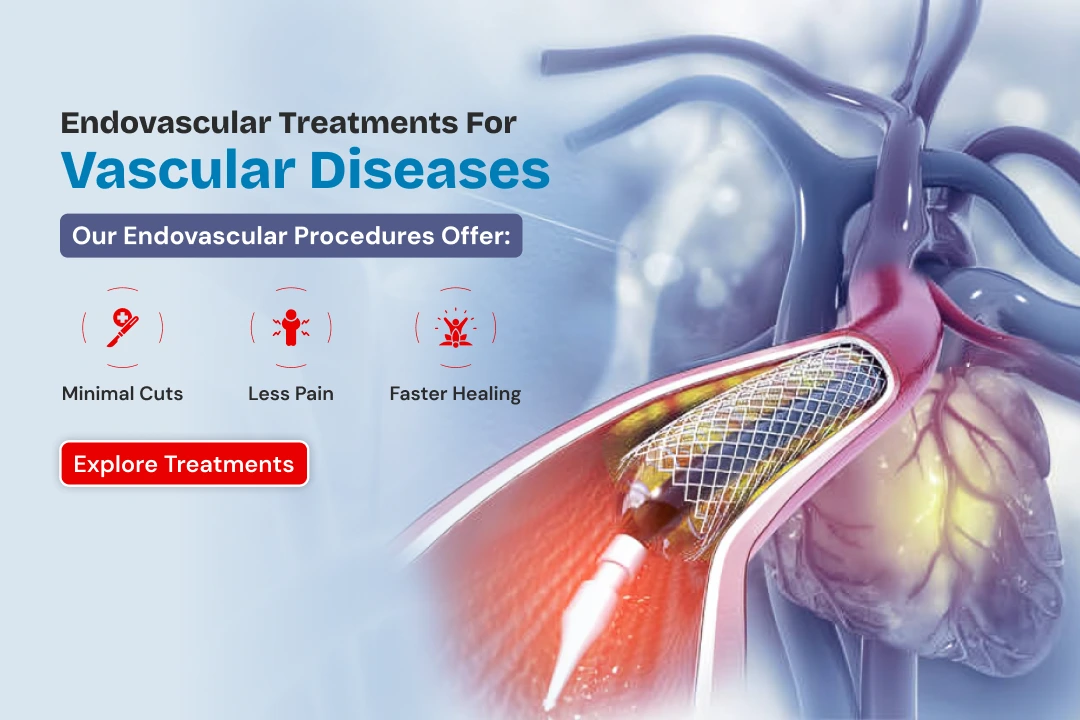
Endovascular Treatments
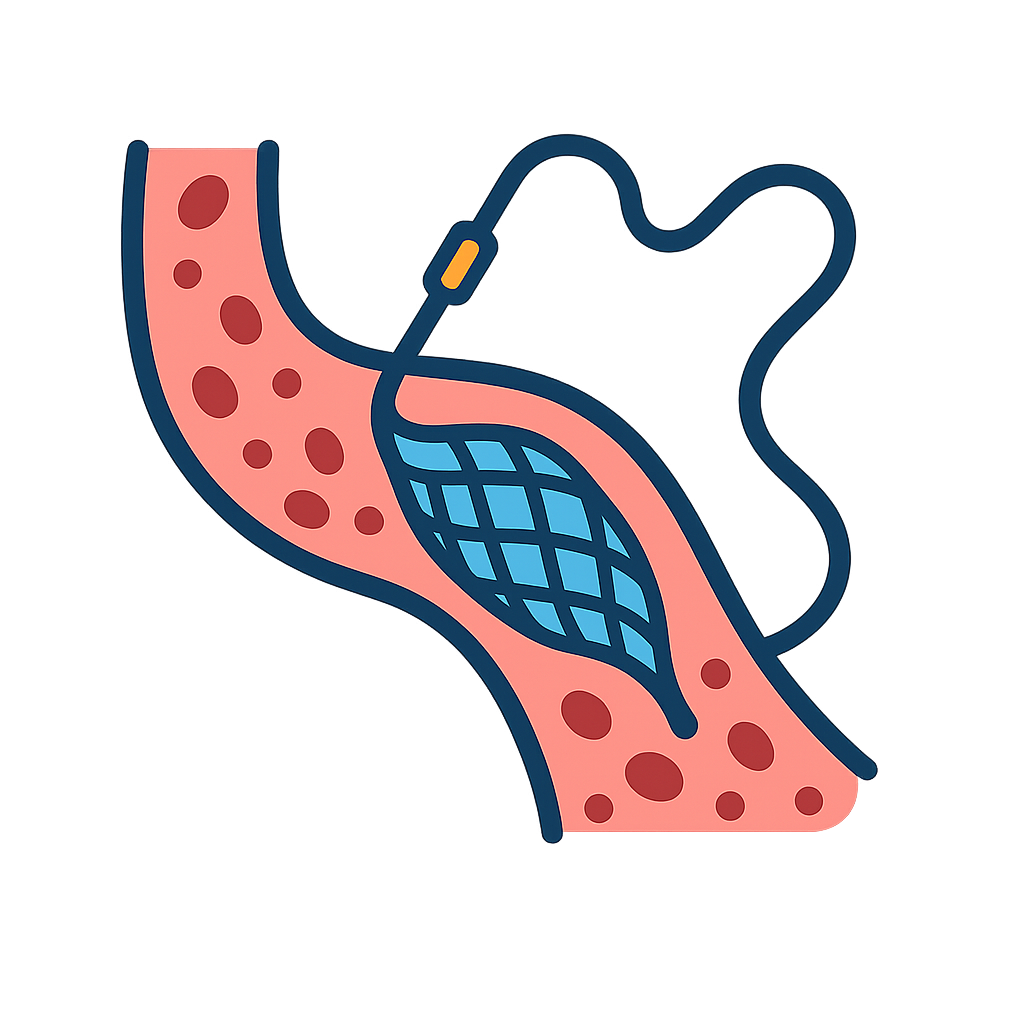
Minimally invasive vascular procedures such as angioplasty, stenting, embolization, and thrombolysis for fast, safe, and effective disease management without open surgery.
Dialysis Access Procedures
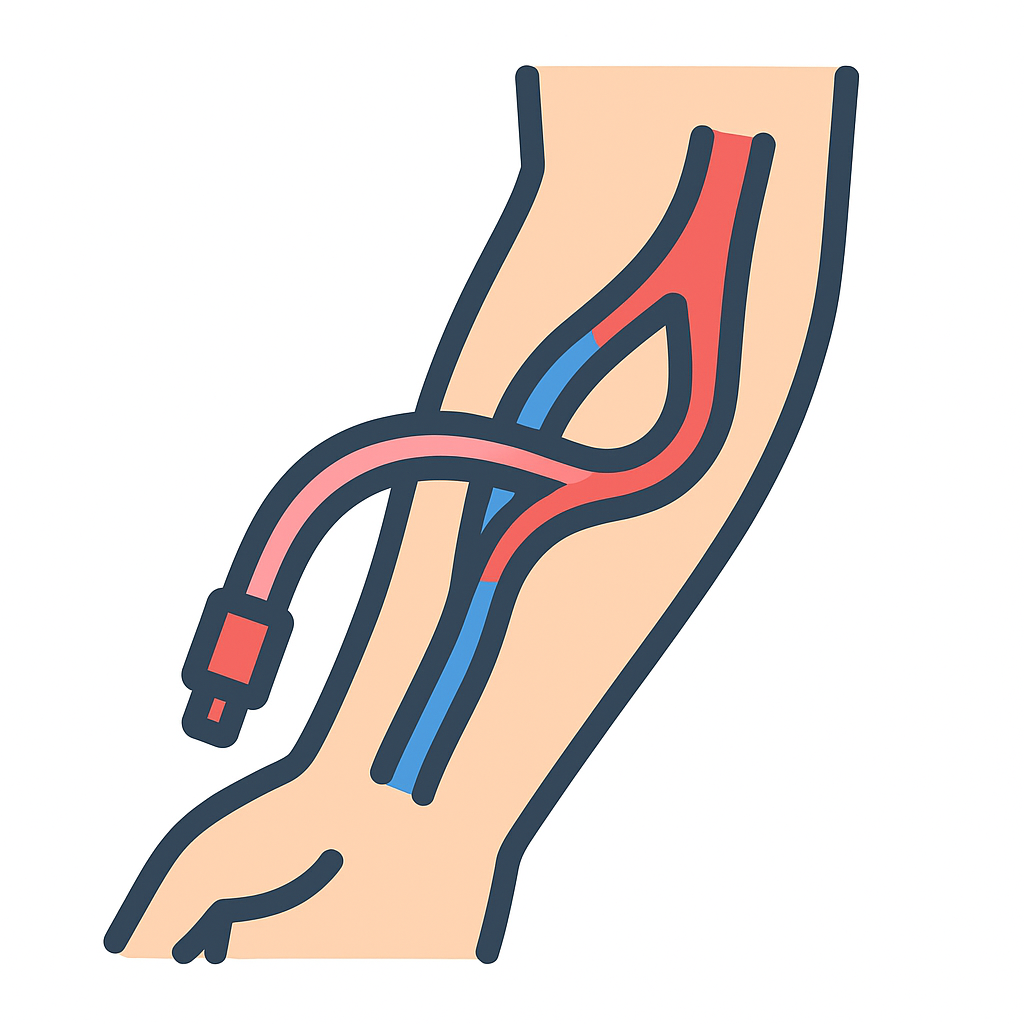
Expert creation and maintenance of AV fistulas, grafts, and catheter-based access for chronic kidney disease patients to ensure long-term, reliable dialysis access.
Vascular Malformations
Treatment of congenital and acquired vascular malformations, including AVMs, venous malformations, lymphatic malformations, and capillary malformations.
Carotid Disease
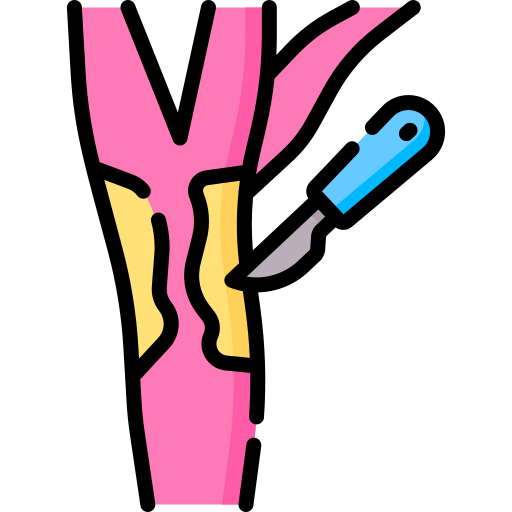
Blockages in the carotid arteries can lead to stroke. We provide carotid endarterectomy and carotid stenting to restore blood flow safely.
Treating Leg Ulcers
Venous, arterial, and diabetic ulcers require specialized vascular care. We provide advanced wound healing and circulation-restoring treatments.
Treatment of Swollen Legs
Leg swelling can be caused by venous insufficiency, lymphedema, or DVT. We offer accurate diagnosis and targeted vascular treatment to relieve swelling.
Vascular Trauma
Emergency treatment for arterial and venous injuries caused by accidents, fractures, and penetrating trauma to restore circulation quickly and safely.
Portal Mesenteric Vascular Diseases
Conditions affecting the portal and mesenteric veins can lead to severe abdominal complications. We offer expert diagnosis and minimally invasive treatments.
Aortic Aneurysm
Aortic aneurysms occur when the aorta weakens and bulges, posing a risk of rupture. We offer advanced screening and endovascular repair options.
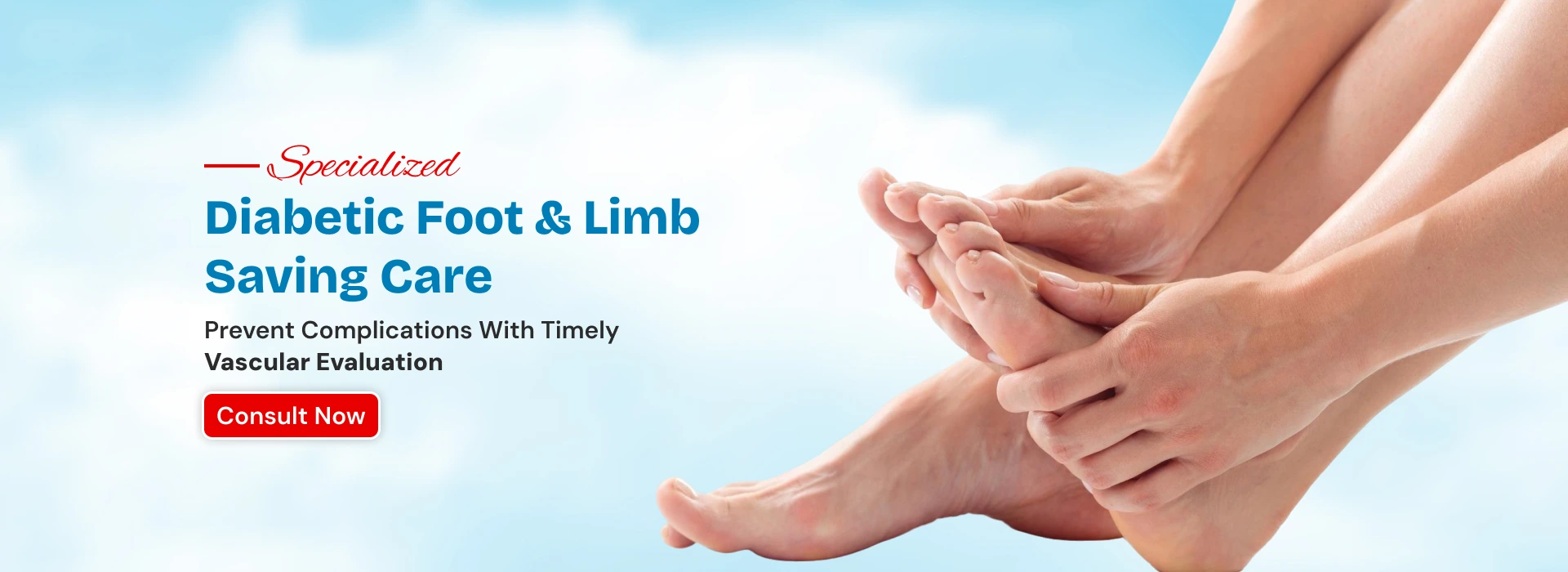
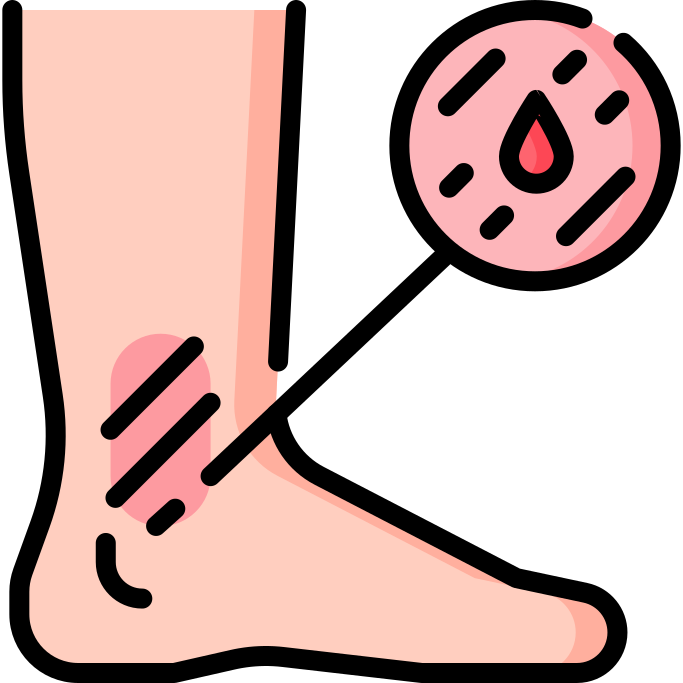
Diabetic Foot Ulcer
Diabetic foot ulcers require early evaluation to prevent infections and amputations. We provide limb salvage treatments and vascular restoration.
Deep Vein Thrombosis (DVT)
DVT is caused by clot formation in deep veins, often the legs. Our treatments include thrombolysis, clot removal, and vein preservation procedures.
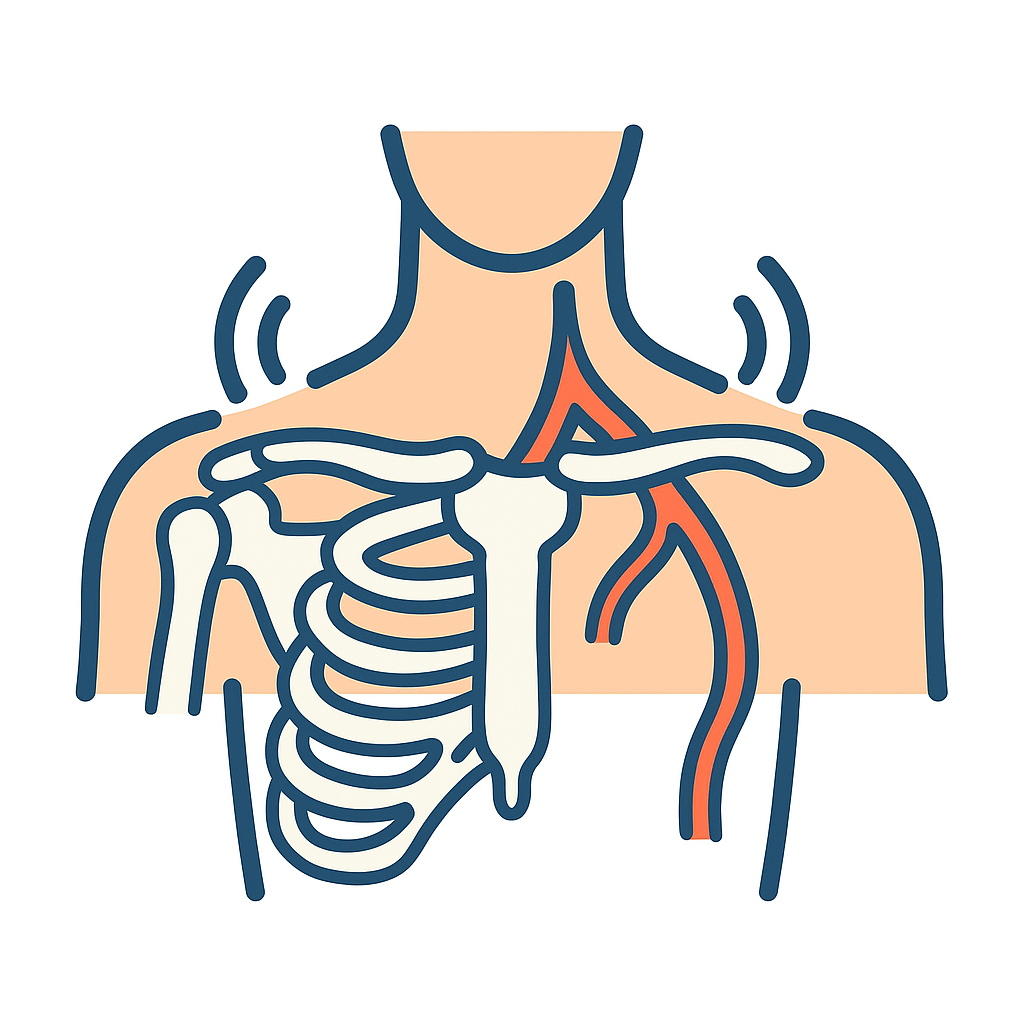
Cervical Rib & Thoracic Outlet Syndrome
TOS occurs when nerves or blood vessels are compressed near the neck and shoulder. We offer surgical and minimally invasive decompression solutions.
Mesenteric Ischaemia
Reduced blood flow to the intestines can be life-threatening. We specialize in early diagnosis and endovascular revascularization.
Laser Varicose Veins Surgery in Banashankari – Safe, Effective & Minimally Invasive Care
Varicose veins are enlarged, twisted veins that commonly affect the legs and can cause pain, swelling, heaviness, itching, and skin changes. If left untreated, they may lead to serious complications such as ulcers or blood clots. Laser Varicose Veins Surgery in Banashankari offers a modern, minimally invasive solution that treats the root cause of the problem while allowing patients to return to normal life quickly.
Unlike traditional open surgery, laser treatment uses advanced technology to seal faulty veins from the inside without large cuts or stitches. This approach improves blood circulation, relieves symptoms, and enhances leg appearance with minimal discomfort.
What Is Laser Treatment for Varicose Veins?
Laser treatment for varicose veins, also known as endovenous laser ablation, is a minimally invasive procedure that uses controlled laser energy to close damaged veins. A thin laser fiber is inserted into the affected vein through a tiny puncture under ultrasound guidance. The laser heat seals the vein, allowing blood to naturally reroute through healthy veins.
Over time, the treated vein shrinks and is absorbed by the body. This technique is highly precise, safe, and effective, making it the preferred option for patients seeking Laser Varicose Veins Surgery in Banashankari.
Who Needs Laser Varicose Veins Surgery?
Laser treatment is recommended for individuals who experience:
- Pain, heaviness, or fatigue in the legs
- Visible bulging or twisted veins
- Leg swelling or ankle edema
- Skin discoloration or itching around veins
- Non-healing venous ulcers
- Recurrent varicose veins after previous treatment
Benefits of Laser Varicose Veins Surgery
Choosing Laser Varicose Veins Surgery in Banashankari provides several advantages over conventional surgery:
- Minimally invasive procedure with no large incisions
- Performed under local or regional anesthesia
- Minimal pain and reduced risk of infection
- Short hospital stay or same-day discharge
- Quick recovery and faster return to daily activities
- Excellent cosmetic results with minimal scarring
Diagnosis and Pre-Treatment Evaluation
A detailed clinical assessment is essential before laser treatment. Vascular colour Doppler ultrasound is used to evaluate blood flow, vein structure, and valve function. This helps determine the severity of venous disease and ensures accurate treatment planning.
Based on the findings, a personalised treatment plan is created to target the affected veins while preserving healthy circulation. This tailored approach improves success rates and long-term outcomes.
Recovery After Laser Varicose Veins Surgery
Recovery after laser treatment is usually quick and smooth. Most patients can walk immediately after the procedure and resume routine activities within a day or two. Compression stockings may be advised for a short period to support healing and improve blood flow.
Regular follow-up visits and lifestyle modifications such as exercise, weight management, and avoiding prolonged standing help maintain long-lasting results after treatment.
If you are looking for a reliable and advanced solution for varicose veins, Laser Varicose Veins Surgery in Banashankari provides effective relief, improved leg health, and better quality of life.
Laser Varicose Veins Surgery – FAQs
Common Patient Questions Answered
Is laser surgery the best treatment for varicose veins?
Yes, laser surgery is one of the most effective and minimally invasive treatments for varicose veins. It treats the underlying vein problem with minimal pain, quick recovery, and excellent cosmetic results.
How long does laser varicose veins surgery take?
The procedure usually takes about 30 to 60 minutes, depending on the number and size of affected veins. Most patients can go home the same day.
Is laser treatment for varicose veins painful?
Laser treatment causes minimal discomfort. Local anesthesia is used, and most patients experience only mild soreness or tightness for a short period after the procedure.
When can I return to normal activities after laser surgery?
Most patients can resume daily activities within 24 to 48 hours. Walking is encouraged, while strenuous exercise may be restricted for a short time.
Are the results of laser varicose veins surgery permanent?
Laser treatment provides long-lasting results when combined with healthy lifestyle habits and regular follow-ups. New veins may develop over time, but treated veins usually do not recur.

.png)
.png)