.webp)
.webp)
 (1).webp)
.webp)


 Care.webp)




Expertise in Vascular & Endovascular Care, With Compassion For Every Patient
.png)
Expertise in Vascular & Endovascular Care, With Compassion For Every Patient
Dr. Gurunathreddy B is a leading Vascular and Endovascular Surgeon in Bangalore with 14 years of experience in treating complex vascular conditions. He heads the Vascular Surgery Division at St. John’s Medical College & Hospital, Sarjapur Road, and has performed over 3,500 successful procedures, including varicose veins, diabetic foot, peripheral artery disease, AV fistula, and aneurysm surgeries.
-
00
+Years of experience
-
00
+Vascular patients treated
-
00
+Successful varicose vein treatments
-
Advanced vascular & endovascular care
-
Patient-centric, ethical treatment
-
Focus on limb preservation & saving life
-
Minimally invasive treatment options
-
Clear communication & long-term follow-up
5:00 PM - 8:00 PM
+91 9019929234
Understanding the Full Spectrum of Vascular
Diseases & Treatments
-
 Understanding
Varicose Veins -
 Lower Limb Arterial Diseases & Gangrene
-
 Endovascular
Treatments -
 Dialysis Access
Procedures – AV Fistula -
 Vascular
Malformations -
 Carotid
Disease / Artery Stroke -
 Treating
Leg Ulcers -
 Treatment of
Swollen Legs -
 Vascular
Trauma -
 Portal-Mesenteric
Vascular Diseases -
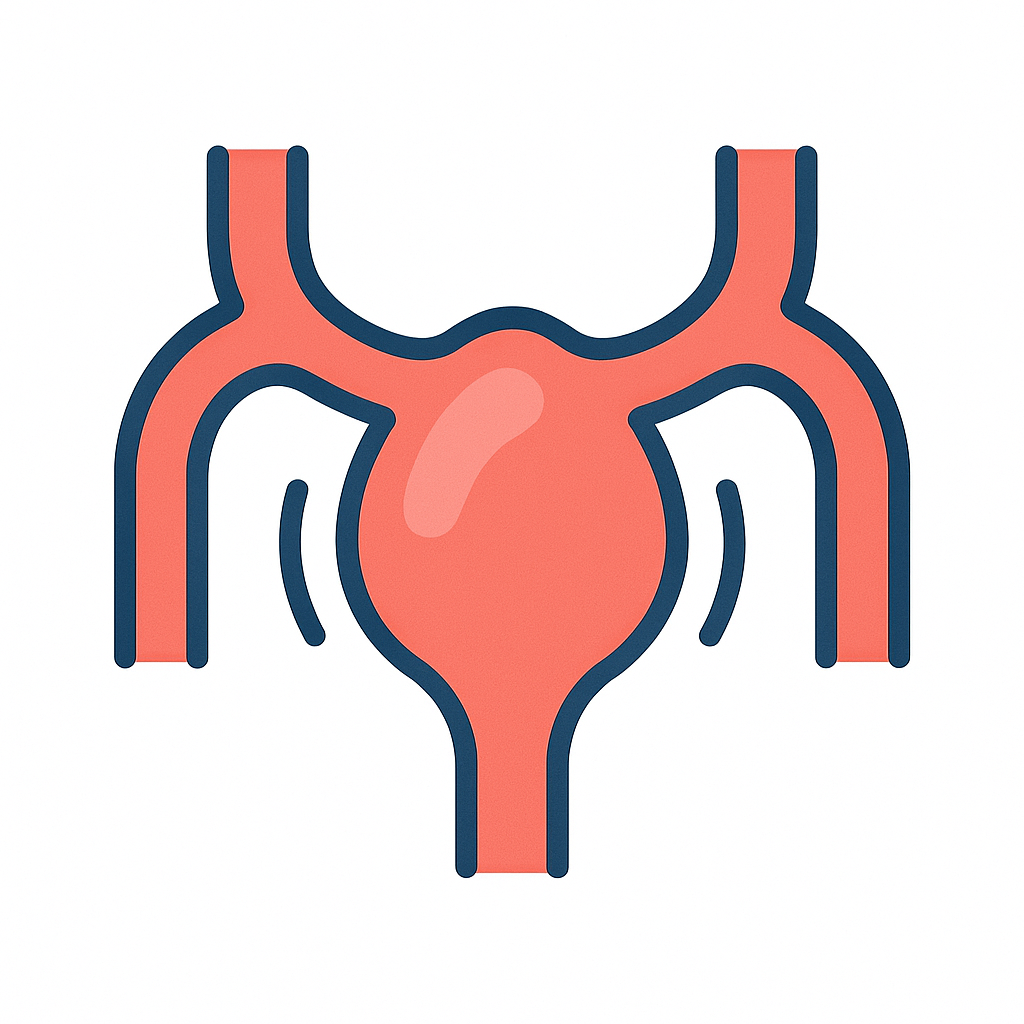 Aortic
Aneurysm -
 Diabetic Foot
Ulcer -
 Deep Vein
Thrombosis -
 Mesenteric
Ischaemia -
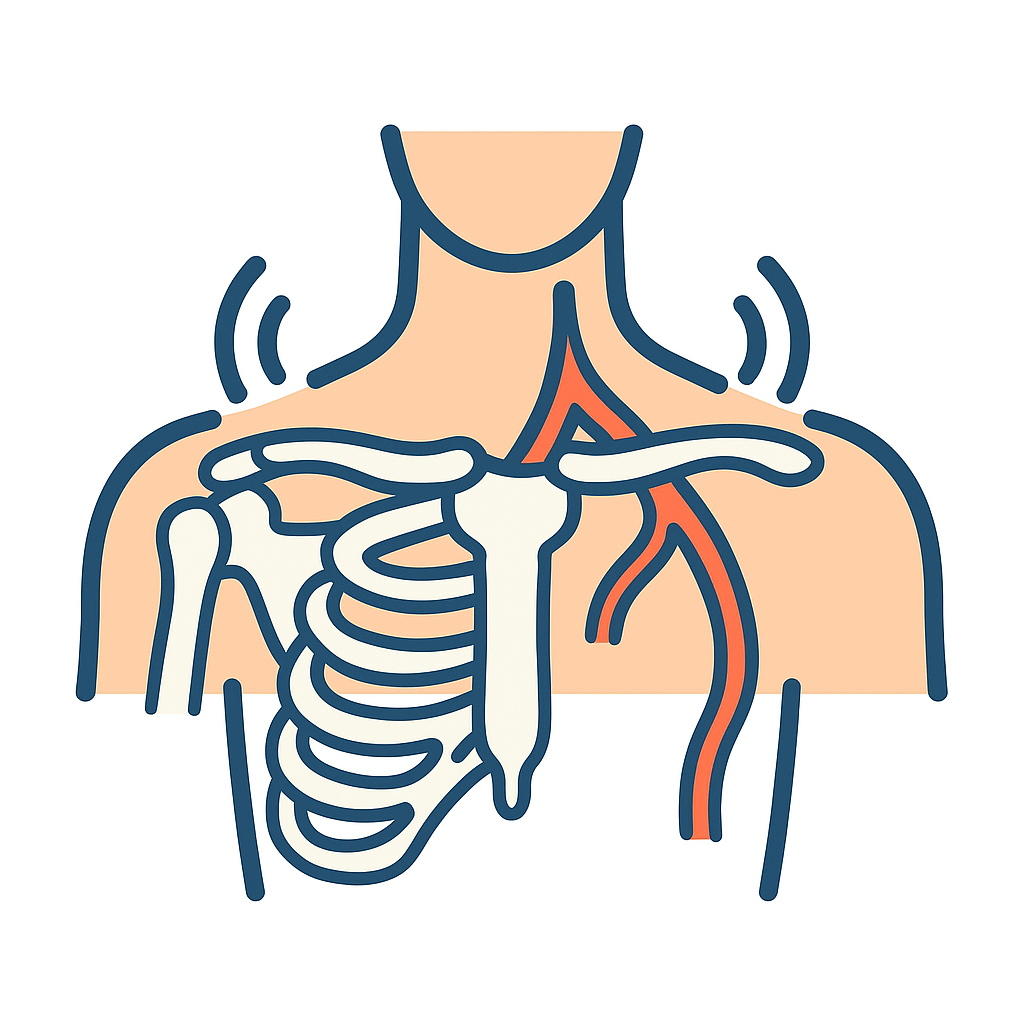 Cervical Rib & Thoracic
Outlet Syndrome


Understanding Lower Limb Arterial Diseases (PAD)
PAD occurs when arteries supplying the legs narrow, leading to pain, discoloration, and poor circulation. We offer angioplasty, stenting, atherectomy, and advanced limb-saving treatments.
Endovascular Treatments
Minimally invasive vascular procedures such as angioplasty, stenting, embolization, and thrombolysis for fast, safe, and effective disease management without open surgery.
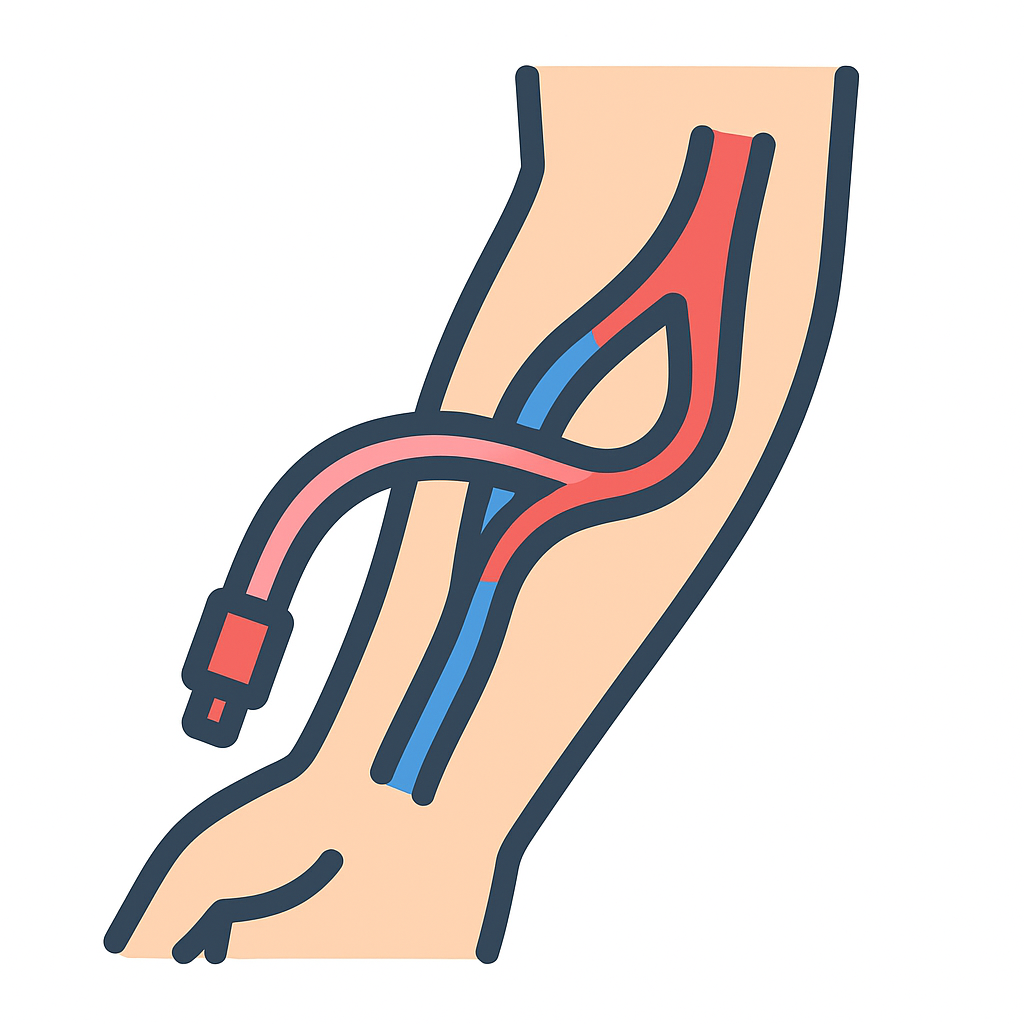
Dialysis Access Procedures
Expert creation and maintenance of AV fistulas, grafts, and catheter-based access for chronic kidney disease patients to ensure long-term, reliable dialysis access.
Vascular Malformations
Treatment of congenital and acquired vascular malformations, including AVMs, venous malformations, lymphatic malformations, and capillary malformations.
Carotid Disease
Blockages in the carotid arteries can lead to stroke. We provide carotid endarterectomy and carotid stenting to restore blood flow safely.
Treating Leg Ulcers
Venous, arterial, and diabetic ulcers require specialized vascular care. We provide advanced wound healing and circulation-restoring treatments.
Treatment of Swollen Legs
Leg swelling can be caused by venous insufficiency, lymphedema, or DVT. We offer accurate diagnosis and targeted vascular treatment to relieve swelling.
Vascular Trauma
Emergency treatment for arterial and venous injuries caused by accidents, fractures, and penetrating trauma to restore circulation quickly and safely.
Portal Mesenteric Vascular Diseases
Conditions affecting the portal and mesenteric veins can lead to severe abdominal complications. We offer expert diagnosis and minimally invasive treatments.
Aortic Aneurysm
Aortic aneurysms occur when the aorta weakens and bulges, posing a risk of rupture. We offer advanced screening and endovascular repair options.
Diabetic Foot Ulcer
Diabetic foot ulcers require early evaluation to prevent infections and amputations. We provide limb salvage treatments and vascular restoration.
Deep Vein Thrombosis (DVT)
DVT is caused by clot formation in deep veins, often the legs. Our treatments include thrombolysis, clot removal, and vein preservation procedures.
Cervical Rib & Thoracic Outlet Syndrome
TOS occurs when nerves or blood vessels are compressed near the neck and shoulder. We offer surgical and minimally invasive decompression solutions.
Mesenteric Ischaemia
Reduced blood flow to the intestines can be life-threatening. We specialize in early diagnosis and endovascular revascularization.
Dialysis Access Creation in Hsr Layout – Expert Vascular Care for Kidney Patients
Kidney disease patients often require dialysis to maintain optimal health. For effective hemodialysis, reliable vascular access is crucial. A Dialysis Access Creation in Hsr Layout ensures that patients have a safe and functional access point, allowing for efficient treatment while minimizing complications.
Dialysis access can be created using procedures such as arteriovenous (AV) fistula creation, AV graft placement, or temporary dialysis catheters. Each method is selected based on the patient’s vascular anatomy, overall health, and dialysis needs. Choosing a specialised centre guarantees personalised care, expert technique, and long-lasting results.
What Is Dialysis Access Creation?
Dialysis access creation involves surgically connecting an artery to a vein, typically in the arm, to provide a robust route for blood flow during hemodialysis. An AV fistula is considered the gold standard, providing a long-lasting and low-complication access. In cases where veins are not suitable, an AV graft or central venous catheter may be used temporarily.
The procedure is minimally invasive, performed under local or regional anesthesia, and is designed to allow patients to resume normal daily activities quickly. Careful planning and preoperative imaging ensure the access site is optimally located for long-term function.
Conditions Indicating the Need for Dialysis Access
Patients may require dialysis access for the following situations:
- Chronic kidney disease progressing to end-stage renal failure
- Acute kidney injury requiring temporary dialysis
- Failed previous vascular access or AV fistula complications
- Need for long-term hemodialysis with minimal infection risk
Benefits of Visiting a Specialist Clinic
Patients opting for Dialysis Access Creation in Hsr Layout benefit from expert vascular surgeons, advanced imaging, and customised care plans. Advantages include:
- Minimally invasive procedures with precise placement
- Reduced risk of infection or thrombosis
- Durable, long-lasting access for effective dialysis
- Quick recovery with minimal downtime
- Expert follow-up care to monitor and maintain access patency
Diagnostic Evaluation and Personalised Planning
Successful dialysis access creation begins with a thorough evaluation. Preoperative vascular mapping using duplex ultrasound helps assess vein and artery size, quality, and location. This ensures optimal site selection and reduces post-procedure complications.
Each patient receives a tailored plan considering their medical history, dialysis schedule, and lifestyle. Ongoing monitoring and timely interventions, if needed, keep the access functioning smoothly for years.
Post-Procedure Care and Maintenance
After a dialysis access procedure, proper care is essential. Patients are educated on:
- Daily inspection for signs of infection or clotting
- Gentle exercises to maintain vein health
- Avoiding pressure or trauma to the access site
- Regular follow-up visits for monitoring and intervention
Early detection of problems such as stenosis, thrombosis, or aneurysmal changes can prevent dialysis interruptions and improve long-term outcomes.
Choosing a trusted Dialysis Access Creation in Hsr Layout ensures access to experienced surgeons, state-of-the-art imaging, and comprehensive vascular care focused on patient safety and convenience.
Dialysis Access Creation – FAQs
Answers to Common Patient Questions
What is dialysis access creation?
Dialysis access creation is a surgical procedure to create a reliable route for hemodialysis. It typically involves creating an AV fistula, AV graft, or using a temporary catheter to ensure safe and efficient blood flow during dialysis sessions.
Is the procedure safe?
Yes, when performed by experienced vascular surgeons, dialysis access creation is safe and effective. It is minimally invasive, with low risk of infection, thrombosis, or bleeding.
How long does it take to heal after access creation?
Healing depends on the type of access. AV fistulas typically mature over 4–8 weeks before use, whereas grafts or catheters may be used sooner. Follow-up visits ensure proper maturation and function.
How do I care for my dialysis access?
Care involves daily inspection, avoiding pressure on the access site, gentle exercises, and attending regular check-ups to detect problems early and maintain long-term functionality.
When should I contact a vascular specialist?
Contact a specialist immediately if you notice swelling, redness, pain, poor blood flow during dialysis, or any unusual changes around your access site. Early intervention prevents complications and ensures uninterrupted dialysis.

.png)
.png)