.webp)
.webp)
 (1).webp)
.webp)


 Care.webp)




Expertise in Vascular & Endovascular Care, With Compassion For Every Patient
.png)
Expertise in Vascular & Endovascular Care, With Compassion For Every Patient
Dr. Gurunathreddy B is a leading Vascular and Endovascular Surgeon in Bangalore with 14 years of experience in treating complex vascular conditions. He heads the Vascular Surgery Division at St. John’s Medical College & Hospital, Sarjapur Road, and has performed over 3,500 successful procedures, including varicose veins, diabetic foot, peripheral artery disease, AV fistula, and aneurysm surgeries.
-
00
+Years of experience
-
00
+Vascular patients treated
-
00
+Successful varicose vein treatments
-
Advanced vascular & endovascular care
-
Patient-centric, ethical treatment
-
Focus on limb preservation & saving life
-
Minimally invasive treatment options
-
Clear communication & long-term follow-up
5:00 PM - 8:00 PM
+91 9019929234
Understanding the Full Spectrum of Vascular
Diseases & Treatments
-
 Understanding
Varicose Veins -
 Lower Limb Arterial Diseases & Gangrene
-
 Endovascular
Treatments -
 Dialysis Access
Procedures – AV Fistula -
 Vascular
Malformations -
 Carotid
Disease / Artery Stroke -
 Treating
Leg Ulcers -
 Treatment of
Swollen Legs -
 Vascular
Trauma -
 Portal-Mesenteric
Vascular Diseases -
 Aortic
Aneurysm -
 Diabetic Foot
Ulcer -
 Deep Vein
Thrombosis -
 Mesenteric
Ischaemia -
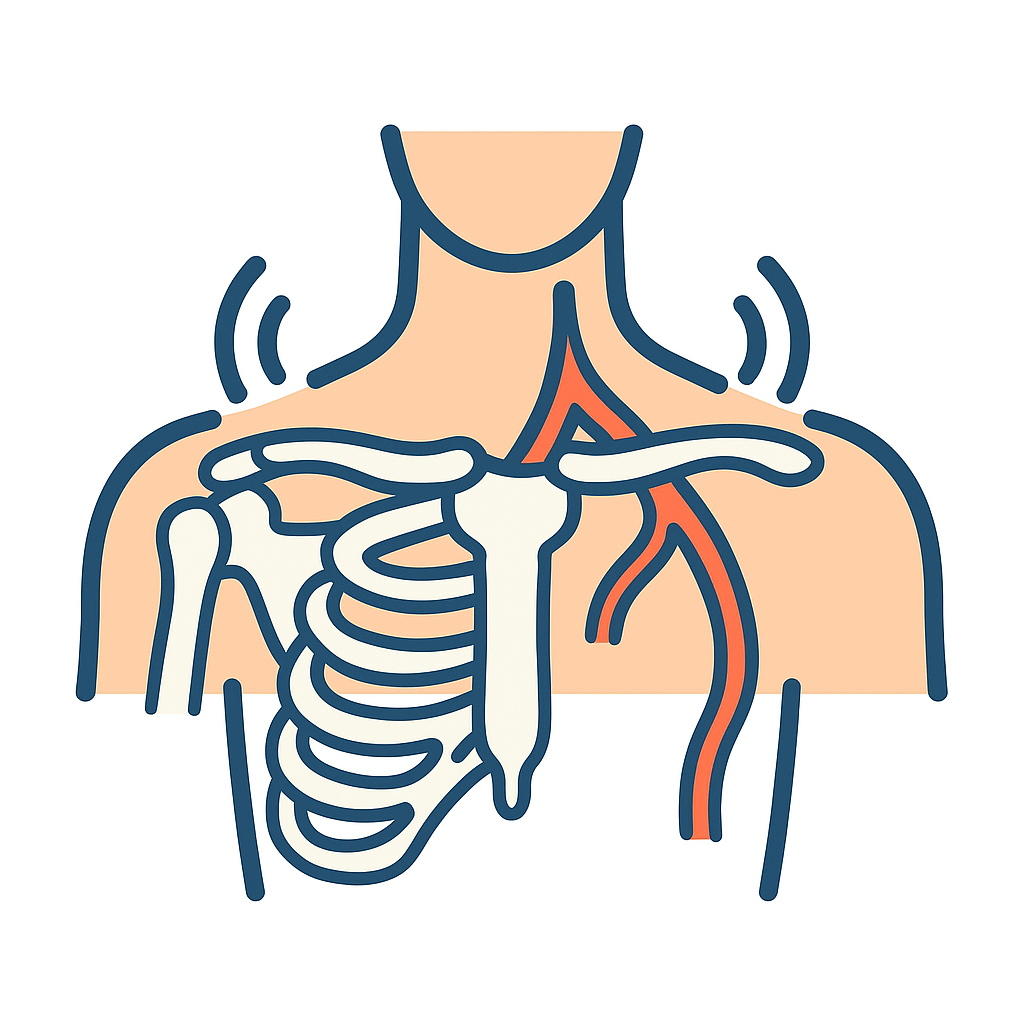 Cervical Rib & Thoracic
Outlet Syndrome


Understanding Lower Limb Arterial Diseases (PAD)
PAD occurs when arteries supplying the legs narrow, leading to pain, discoloration, and poor circulation. We offer angioplasty, stenting, atherectomy, and advanced limb-saving treatments.
Endovascular Treatments
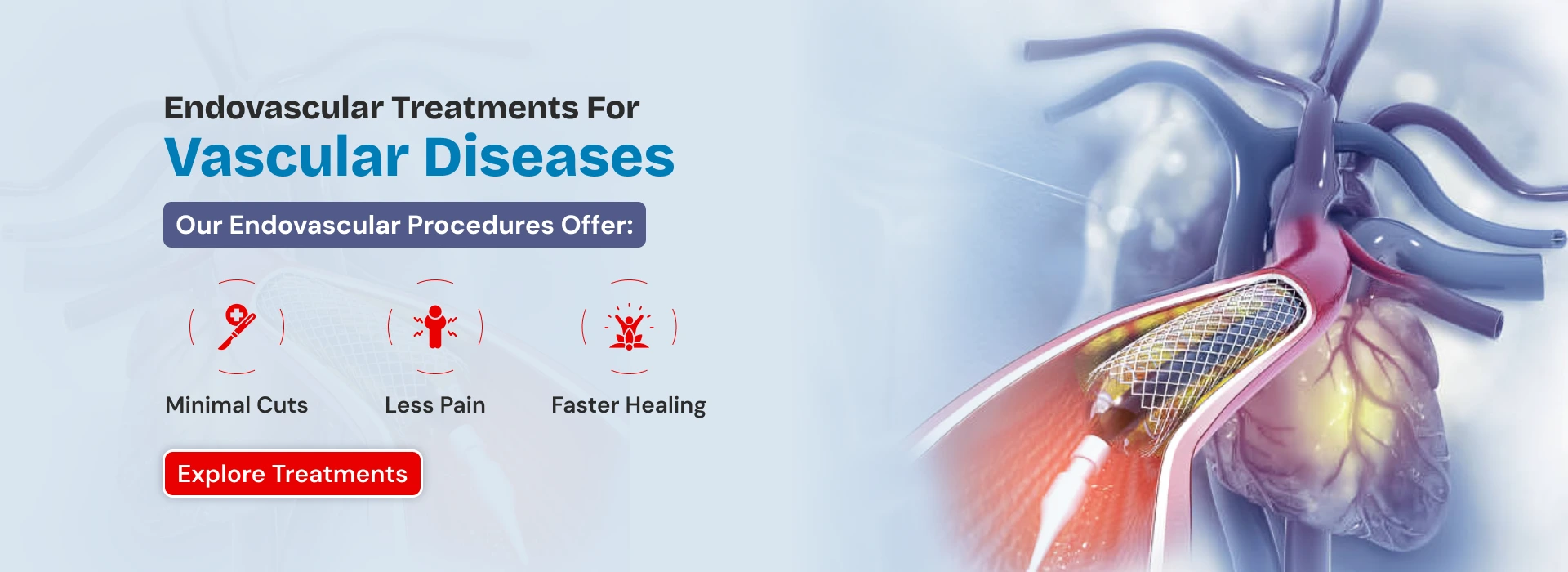
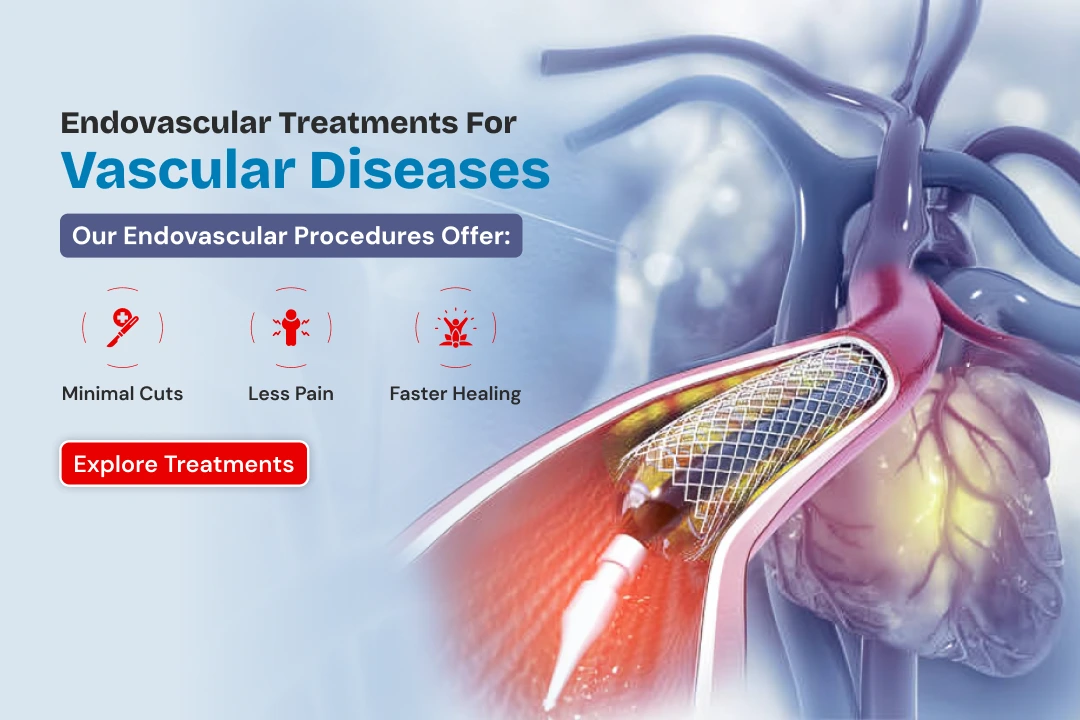
Minimally invasive vascular procedures such as angioplasty, stenting, embolization, and thrombolysis for fast, safe, and effective disease management without open surgery.
Dialysis Access Procedures
Expert creation and maintenance of AV fistulas, grafts, and catheter-based access for chronic kidney disease patients to ensure long-term, reliable dialysis access.
Vascular Malformations
Treatment of congenital and acquired vascular malformations, including AVMs, venous malformations, lymphatic malformations, and capillary malformations.
Carotid Disease
Blockages in the carotid arteries can lead to stroke. We provide carotid endarterectomy and carotid stenting to restore blood flow safely.
Treating Leg Ulcers
Venous, arterial, and diabetic ulcers require specialized vascular care. We provide advanced wound healing and circulation-restoring treatments.
Treatment of Swollen Legs
Leg swelling can be caused by venous insufficiency, lymphedema, or DVT. We offer accurate diagnosis and targeted vascular treatment to relieve swelling.
Vascular Trauma
Emergency treatment for arterial and venous injuries caused by accidents, fractures, and penetrating trauma to restore circulation quickly and safely.
Portal Mesenteric Vascular Diseases
Conditions affecting the portal and mesenteric veins can lead to severe abdominal complications. We offer expert diagnosis and minimally invasive treatments.
Aortic Aneurysm
Aortic aneurysms occur when the aorta weakens and bulges, posing a risk of rupture. We offer advanced screening and endovascular repair options.
Diabetic Foot Ulcer
Diabetic foot ulcers require early evaluation to prevent infections and amputations. We provide limb salvage treatments and vascular restoration.
Deep Vein Thrombosis (DVT)
DVT is caused by clot formation in deep veins, often the legs. Our treatments include thrombolysis, clot removal, and vein preservation procedures.
Cervical Rib & Thoracic Outlet Syndrome
TOS occurs when nerves or blood vessels are compressed near the neck and shoulder. We offer surgical and minimally invasive decompression solutions.
Mesenteric Ischaemia
Reduced blood flow to the intestines can be life-threatening. We specialize in early diagnosis and endovascular revascularization.
Deep Vein Thrombosis Treatment in Banashankari – Advanced Vascular Care
Deep vein thrombosis (DVT) is a serious vascular condition in which blood clots form in the deep veins, most commonly in the legs. If not treated promptly, these clots can travel to the lungs and cause life-threatening complications such as pulmonary embolism. Seeking timely Deep Vein Thrombosis Treatment in Banashankari ensures accurate diagnosis, effective clot management, and long-term protection against recurrence.
DVT can affect people of all ages but is more common in individuals with prolonged immobility, recent surgery, pregnancy, obesity, smoking habits, or underlying medical conditions. Early symptoms may include leg swelling, pain, warmth, redness, or heaviness, though some patients may not experience noticeable warning signs.
Understanding Deep Vein Thrombosis
Deep vein thrombosis occurs when blood flow slows down or becomes stagnant, leading to clot formation within the deep venous system. These clots restrict normal circulation and can damage vein valves, resulting in chronic swelling, skin changes, and long-term discomfort known as post-thrombotic syndrome.
Advanced vascular centres focus on early detection and minimally invasive management to dissolve or remove clots, restore blood flow, and reduce long-term complications. Modern treatment approaches are tailored to the severity of the clot, duration of symptoms, and individual patient risk factors.
Diagnosis and Evaluation of DVT
Accurate diagnosis plays a crucial role in successful outcomes. Evaluation typically includes a detailed clinical examination followed by vascular colour Doppler ultrasound, which confirms the presence, size, and location of the clot. In complex cases, CT or MR venography may be recommended to assess deeper veins.
At a specialised centre offering Deep Vein Thrombosis Treatment in Banashankari, patients receive comprehensive assessment and evidence-based care to ensure safety and effectiveness.
Advanced Treatment Options for DVT
Treatment strategies depend on the severity and duration of the clot. Mild to moderate cases are often managed with anticoagulant medications that prevent clot growth and reduce the risk of new clots. Compression therapy and lifestyle modifications further support healing and symptom relief.
In selected cases, advanced endovascular procedures such as catheter-directed thrombolysis or mechanical thrombectomy may be recommended. These minimally invasive techniques actively remove or dissolve clots, providing faster symptom relief and lowering the risk of long-term vein damage.
Benefits of Early DVT Treatment
- Prevention of pulmonary embolism
- Reduced leg swelling and pain
- Lower risk of post-thrombotic syndrome
- Improved blood circulation and mobility
- Better long-term vascular health
Personalised Care and Long-Term Management
Every patient’s condition is unique. A personalised care plan focuses not only on treating the existing clot but also on preventing recurrence. This includes monitoring medication response, addressing underlying risk factors, and providing guidance on physical activity and lifestyle changes.
Choosing expert Deep Vein Thrombosis Treatment in Banashankari ensures access to experienced vascular specialists, modern diagnostics, and advanced minimally invasive procedures designed for safe recovery and lasting results.
If you experience unexplained leg swelling, pain, or sudden discomfort, early consultation with a vascular specialist can be life-saving. Prompt diagnosis and advanced treatment significantly improve outcomes and help patients return to normal life with confidence.
Deep Vein Thrombosis – FAQs
Common Questions Patients Ask
What are the early symptoms of deep vein thrombosis?
Early symptoms of DVT include leg swelling, pain, tenderness, warmth, redness, and heaviness. Some patients may have minimal symptoms, making early vascular evaluation essential.
Is deep vein thrombosis a life-threatening condition?
Yes, untreated DVT can lead to pulmonary embolism, a serious and potentially fatal condition. Early diagnosis and treatment greatly reduce this risk.
How is DVT treated without surgery?
Most DVT cases are managed with blood-thinning medications, compression therapy, and lifestyle modifications to prevent clot progression and recurrence.
When is endovascular treatment recommended for DVT?
Endovascular treatment is advised in severe cases with extensive clots, high risk of complications, or when symptoms do not improve with medication alone.
Can deep vein thrombosis return after treatment?
DVT can recur if risk factors are not managed. Regular follow-ups, medication compliance, and lifestyle changes help reduce recurrence risk.

.png)
.png)