.webp)
.webp)
 (1).webp)
.webp)
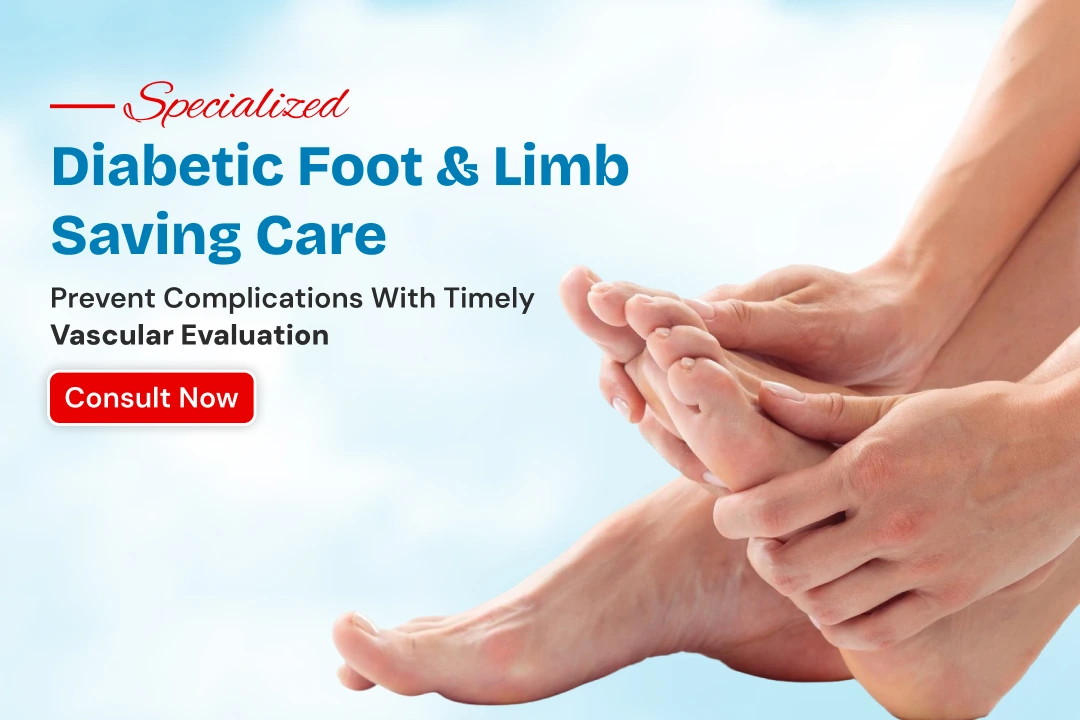
 Care.webp)




Expertise in Vascular & Endovascular Care, With Compassion For Every Patient
.png)
Expertise in Vascular & Endovascular Care, With Compassion For Every Patient
Dr. Gurunathreddy B is a leading Vascular and Endovascular Surgeon in Bangalore with 14 years of experience in treating complex vascular conditions. He heads the Vascular Surgery Division at St. John’s Medical College & Hospital, Sarjapur Road, and has performed over 3,500 successful procedures, including varicose veins, diabetic foot, peripheral artery disease, AV fistula, and aneurysm surgeries.
-
00
+Years of experience
-
00
+Vascular patients treated
-
00
+Successful varicose vein treatments
-
Advanced vascular & endovascular care
-
Patient-centric, ethical treatment
-
Focus on limb preservation & saving life
-
Minimally invasive treatment options
-
Clear communication & long-term follow-up
5:00 PM - 8:00 PM
+91 9019929234
Understanding the Full Spectrum of Vascular
Diseases & Treatments
-
 Understanding
Varicose Veins -
 Lower Limb Arterial Diseases & Gangrene
-
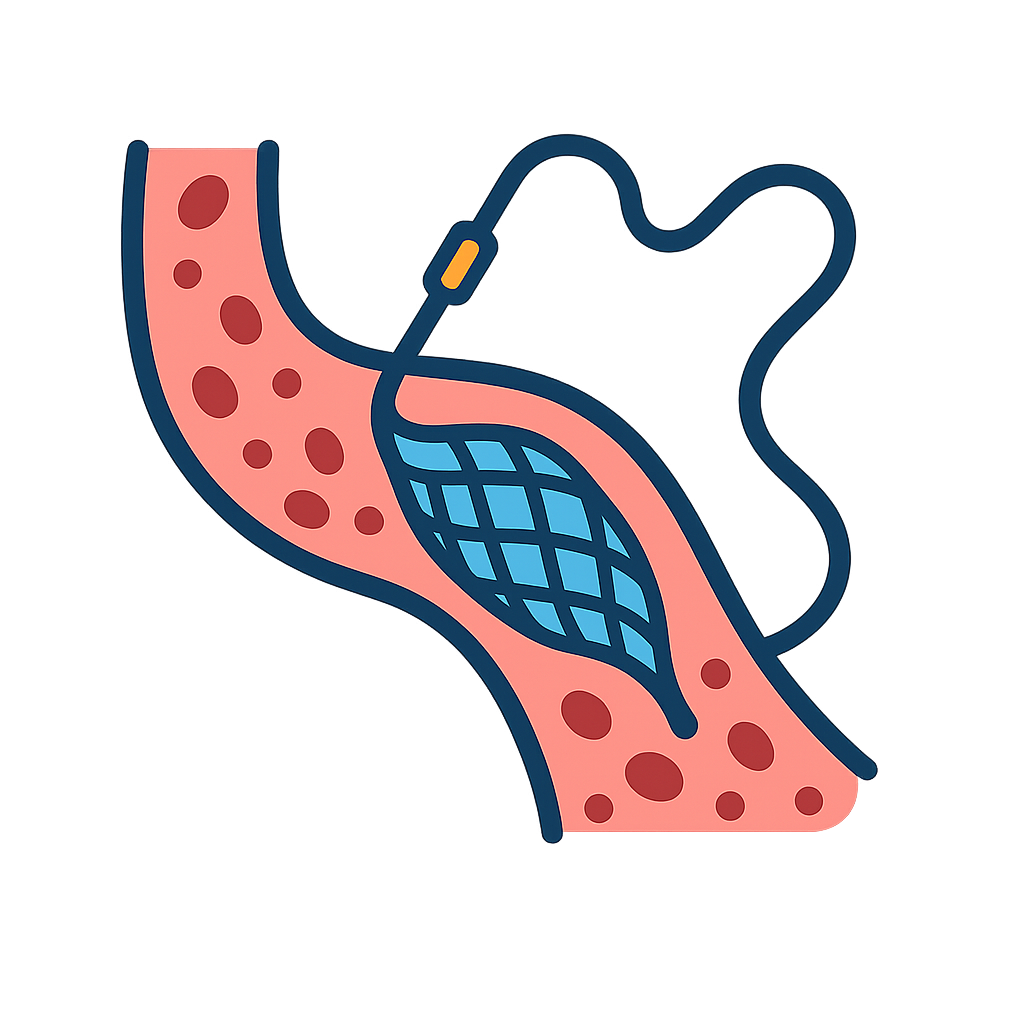 Endovascular
Treatments -
 Dialysis Access
Procedures – AV Fistula -
 Vascular
Malformations -
 Carotid
Disease / Artery Stroke -
 Treating
Leg Ulcers -
 Treatment of
Swollen Legs -
 Vascular
Trauma -
 Portal-Mesenteric
Vascular Diseases -
 Aortic
Aneurysm -
 Diabetic Foot
Ulcer -
 Deep Vein
Thrombosis -
 Mesenteric
Ischaemia -
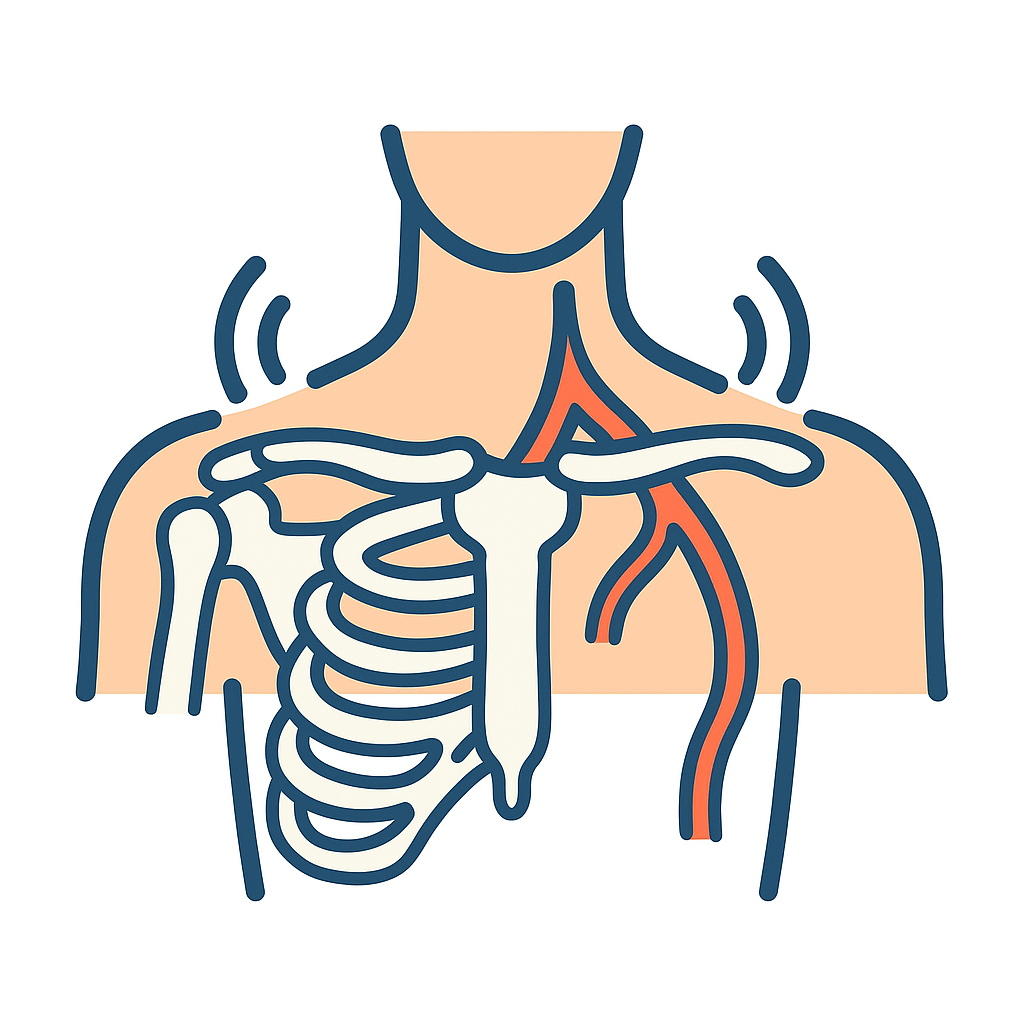 Cervical Rib & Thoracic
Outlet Syndrome


Understanding Lower Limb Arterial Diseases (PAD)
PAD occurs when arteries supplying the legs narrow, leading to pain, discoloration, and poor circulation. We offer angioplasty, stenting, atherectomy, and advanced limb-saving treatments.
Endovascular Treatments
Minimally invasive vascular procedures such as angioplasty, stenting, embolization, and thrombolysis for fast, safe, and effective disease management without open surgery.
Dialysis Access Procedures
Expert creation and maintenance of AV fistulas, grafts, and catheter-based access for chronic kidney disease patients to ensure long-term, reliable dialysis access.
Vascular Malformations
Treatment of congenital and acquired vascular malformations, including AVMs, venous malformations, lymphatic malformations, and capillary malformations.
Carotid Disease
Blockages in the carotid arteries can lead to stroke. We provide carotid endarterectomy and carotid stenting to restore blood flow safely.
Treating Leg Ulcers
Venous, arterial, and diabetic ulcers require specialized vascular care. We provide advanced wound healing and circulation-restoring treatments.
Treatment of Swollen Legs
Leg swelling can be caused by venous insufficiency, lymphedema, or DVT. We offer accurate diagnosis and targeted vascular treatment to relieve swelling.
Vascular Trauma
Emergency treatment for arterial and venous injuries caused by accidents, fractures, and penetrating trauma to restore circulation quickly and safely.
Portal Mesenteric Vascular Diseases
Conditions affecting the portal and mesenteric veins can lead to severe abdominal complications. We offer expert diagnosis and minimally invasive treatments.
Aortic Aneurysm
Aortic aneurysms occur when the aorta weakens and bulges, posing a risk of rupture. We offer advanced screening and endovascular repair options.
Diabetic Foot Ulcer
Diabetic foot ulcers require early evaluation to prevent infections and amputations. We provide limb salvage treatments and vascular restoration.
Deep Vein Thrombosis (DVT)
DVT is caused by clot formation in deep veins, often the legs. Our treatments include thrombolysis, clot removal, and vein preservation procedures.
Cervical Rib & Thoracic Outlet Syndrome
TOS occurs when nerves or blood vessels are compressed near the neck and shoulder. We offer surgical and minimally invasive decompression solutions.
Mesenteric Ischaemia
Reduced blood flow to the intestines can be life-threatening. We specialize in early diagnosis and endovascular revascularization.
Best Endovascular Clinic in Banashankari for Advanced Vascular Care
Vascular diseases affect the arteries and veins responsible for carrying blood throughout the body. When blood flow is reduced or blocked, it can lead to pain, swelling, non-healing wounds, infections, or life-threatening complications such as stroke or aneurysm rupture. Choosing the Best Endovascular Clinic in Banashankari ensures access to modern, minimally invasive vascular treatments designed for safety, precision, and faster recovery.
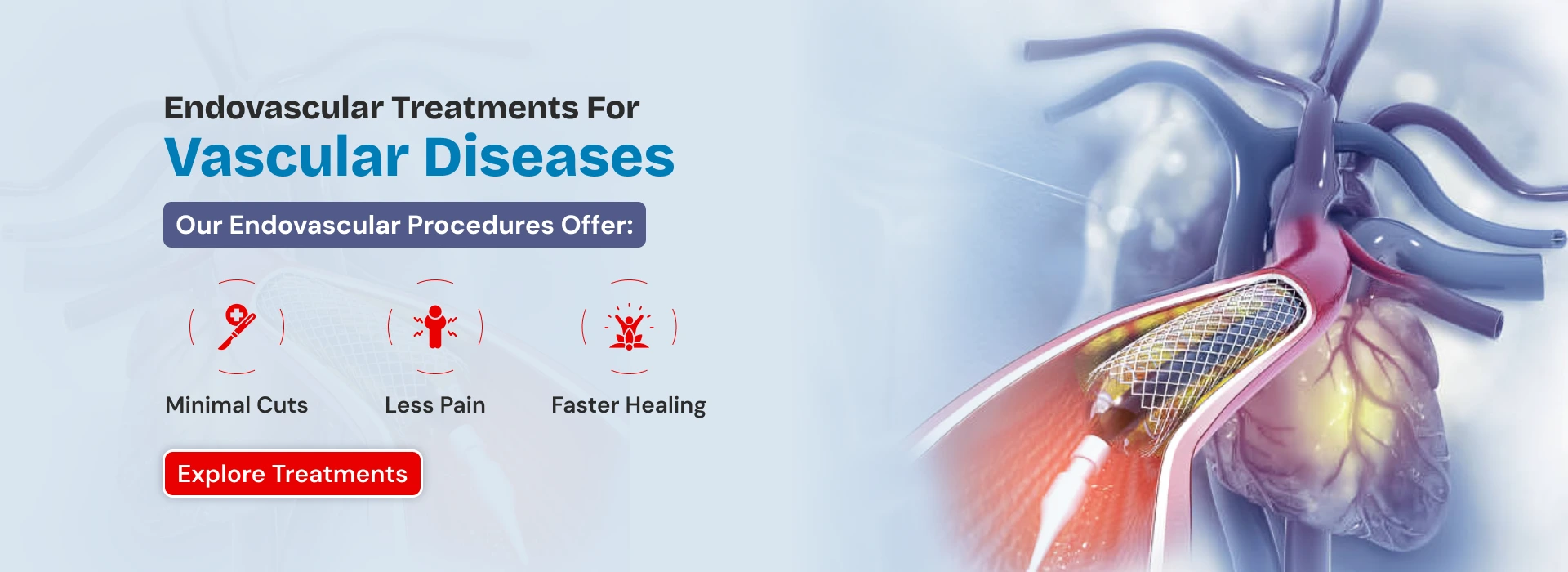
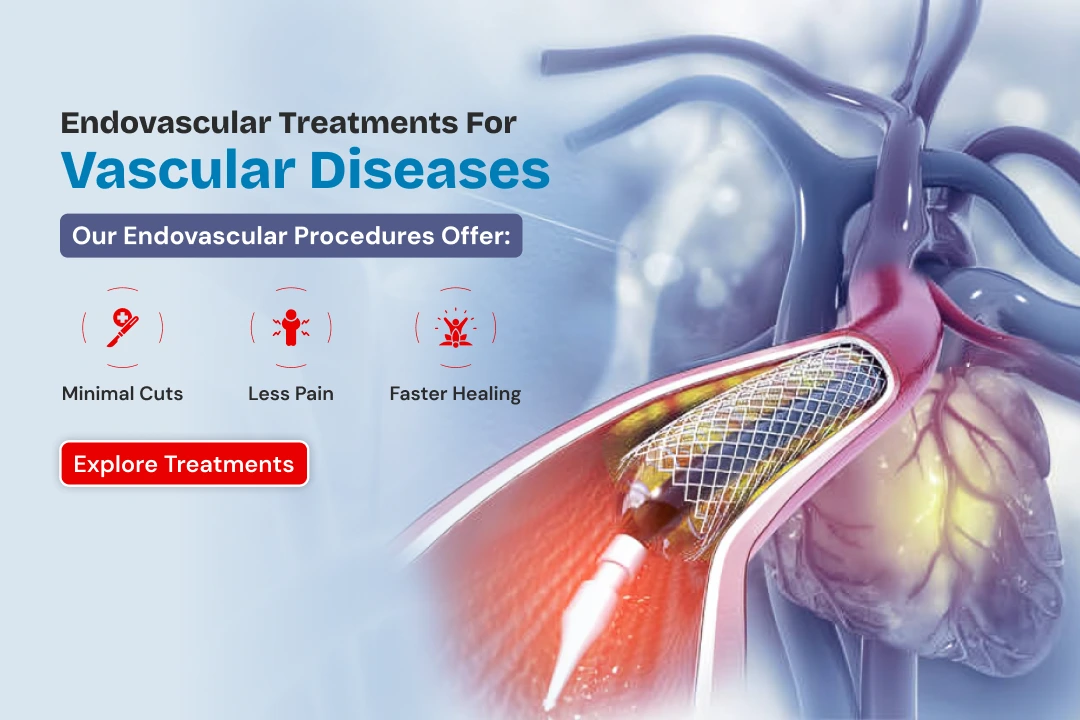
Endovascular care focuses on treating vascular problems from inside the blood vessels using advanced imaging and catheter-based techniques. These procedures avoid large surgical incisions and significantly reduce recovery time, discomfort, and hospital stay compared to traditional open surgery.
Understanding Endovascular Surgery
Endovascular surgery is a specialised field of vascular treatment that uses minimally invasive methods to diagnose and manage blood vessel disorders. Through a small puncture in the groin, wrist, or arm, thin catheters are guided to the affected blood vessel under real-time imaging. Procedures such as angioplasty, stenting, embolisation, and endovascular aneurysm repair restore blood flow and prevent disease progression.
These techniques are especially beneficial for elderly patients and individuals with diabetes, heart disease, or other medical conditions, as they minimise surgical stress and promote quicker healing.
Vascular Conditions Treated
At the Best Endovascular Clinic in Banashankari, a wide range of vascular conditions are treated using advanced endovascular techniques, including:
- Peripheral artery disease causing leg pain, ulcers, or gangrene
- Aortic aneurysms requiring timely repair
- Varicose veins and chronic venous insufficiency
- Deep vein thrombosis and venous blockages
- Carotid artery stenosis increasing stroke risk
- Diabetic foot ulcers and limb-threatening infections
- Dialysis access creation and AV fistula complications
Advantages of Endovascular Treatment
Patients choosing endovascular care benefit from several important advantages that improve both safety and outcomes:
- Minimally invasive procedures with tiny puncture sites
- Reduced blood loss and lower complication rates
- Shorter hospital stays and faster recovery
- Less post-procedure pain and minimal scarring
- Early return to normal activities and work
Comprehensive Diagnosis and Personalised Treatment
Accurate diagnosis is the cornerstone of effective vascular treatment. Patients undergo detailed clinical evaluation supported by advanced investigations such as vascular colour Doppler scans, CT angiography, and MR angiography. These tests help determine the severity and exact location of vascular disease.
Treatment plans are customised based on the patient’s symptoms, imaging findings, lifestyle, and overall health. This personalised approach ensures long-term relief while minimising risks.
Importance of Early Vascular Care
Delaying treatment for vascular symptoms such as leg pain while walking, swelling, skin discoloration, or non-healing wounds can result in serious complications including infection, limb loss, or stroke. Early consultation at the Best Endovascular Clinic in Banashankari allows timely intervention and prevents disease progression.
With continuous advancements in endovascular technology, many complex vascular problems can now be treated safely without open surgery. Expert evaluation and minimally invasive care significantly improve quality of life and long-term vascular health.
Choosing theBest Endovascular Clinic in Banashankari ensures access to experienced specialists, modern diagnostic tools, and comprehensive vascular care focused on patient safety and successful outcomes.
Peripheral Vascular Disease (PVD) FAQs
Answers to Common Patient Questions
What is Peripheral Vascular Disease (PVD)?
Peripheral Vascular Disease (PVD) is a condition in which blood vessels outside the heart and brain become narrowed or blocked, reducing blood flow to the legs, feet, or arms.
Is PVD the same as Peripheral Arterial Disease (PAD)?
PAD is the most common type of PVD and refers specifically to blockage of arteries supplying the legs.
What causes PVD?
Common causes include:
- Smoking
- Diabetes
- High blood pressure
- High cholesterol
- Kidney disease
- Aging
- Family history of vascular disease
What are the early symptoms of PVD?
Early symptoms may include:
- Leg pain while walking
- Calf cramps during exercise
- Leg fatigue
- Cold feet
- Slow-healing wounds
Why do my legs pain while walking and improve with rest?
This is called claudication and occurs because narrowed arteries cannot supply enough blood to the muscles during activity.
Can leg pain be due to blocked arteries?
Yes. Leg pain, especially during walking, may be a sign of reduced blood flow caused by arterial blockages.
How do I know if my leg pain is from blood vessel blockage or a nerve problem?
Blocked arteries usually cause pain during walking that improves with rest. Nerve-related pain may occur even while resting and is often associated with numbness or tingling.
What are the warning signs of severe PVD?
Warning signs may include:
- Pain in the foot at rest
- Non-healing wounds
- Blackening of toes
- Gangrene
- Sudden coldness of the leg
- Loss of pulses in the foot
Is PVD dangerous?
Yes. If untreated, it can lead to limb loss, infection, heart attack, and stroke.
Can diabetes cause PVD?
Yes. Diabetes significantly increases the risk of arterial blockages and poor wound healing.
Why are diabetics at higher risk of foot problems?
Diabetes can damage both blood vessels and nerves, increasing the risk of ulcers, infections, and gangrene.
What is critical limb ischemia?
It is an advanced stage of PVD where blood flow is severely reduced, causing rest pain, ulcers, or gangrene.
Can PVD lead to amputation?
Yes. Untreated severe disease can result in tissue death and may require amputation.
Can PVD be prevented?
Risk can be reduced by:
- Not smoking
- Controlling diabetes
- Managing blood pressure
- Controlling cholesterol
- Regular exercise
- Maintaining a healthy weight
Is smoking really that harmful to blood vessels?
Yes. Smoking is one of the strongest risk factors for arterial blockages and limb loss.
Which specialist treats PVD?
A vascular surgeon specializes in diagnosing and treating blocked arteries and circulation problems.
How is PVD diagnosed?
Diagnosis may involve:
- Clinical examination
- Pulse assessment
- Ankle-Brachial Index (ABI)
- Arterial Doppler ultrasound
- CT Angiography
- MR Angiography
- Conventional angiography
What is a Doppler test?
A Doppler ultrasound is a painless test that assesses blood flow in arteries and veins.
What is an angiogram?
An angiogram is an imaging test that shows the exact location and severity of arterial blockages.
Is angiography painful?
Most patients experience minimal discomfort, and the procedure is usually performed under local anesthesia.
Can medicines cure blocked arteries?
Medicines can slow disease progression and reduce symptoms but usually cannot remove significant blockages.
What treatments are available for PVD?
Treatment options include:
- Lifestyle changes
- Medications
- Exercise therapy
- Angioplasty
- Stenting
- Bypass surgery
- Hybrid vascular procedures
What is angioplasty?
Angioplasty is a minimally invasive procedure where a balloon is used to open blocked arteries.
What is a stent?
A stent is a small metal mesh tube placed inside an artery to keep it open.
Is angioplasty better than surgery?
It depends on the location and extent of the blockage. Many patients can be treated successfully with minimally invasive procedures.
How long does recovery take after angioplasty?
Most patients are discharged within 24-48 hours and resume normal activities within a few days.
When is bypass surgery needed?
Bypass surgery may be required for long or complex arterial blockages that cannot be treated effectively with angioplasty.
What is gangrene?
Gangrene occurs when tissues die due to severe loss of blood supply, infection, or both.
Can gangrene be treated without amputation?
Early diagnosis and restoration of blood flow can often save the limb and avoid major amputation.
What should I do if I have a non-healing foot wound?
Seek immediate evaluation by a vascular surgeon, especially if you have diabetes.
Why are my feet always cold?
Cold feet can be a sign of poor circulation and should be evaluated if persistent.
Can exercise help PVD?
Yes. Supervised walking programs can improve circulation and walking distance.
Can blocked arteries come back after treatment?
Yes. New blockages or re-narrowing can occur, making regular follow-up important.
Does PVD increase the risk of heart attack and stroke?
Yes. PVD is often associated with blockages in other arteries, including those supplying the heart and brain.
When should I seek urgent medical attention?
Seek immediate care if you develop:
- Sudden severe leg pain
- Cold or pale leg
- Sudden inability to move the foot
- New gangrene
- Rapidly worsening foot ulcer

.png)
.png)