.webp)
.webp)
 (1).webp)
.webp)


 Care.webp)




Expertise in Vascular & Endovascular Care, With Compassion For Every Patient
.png)
Expertise in Vascular & Endovascular Care, With Compassion For Every Patient
Dr. Gurunathreddy B is a leading Vascular and Endovascular Surgeon in Bangalore with 14 years of experience in treating complex vascular conditions. He heads the Vascular Surgery Division at St. John’s Medical College & Hospital, Sarjapur Road, and has performed over 3,500 successful procedures, including varicose veins, diabetic foot, peripheral artery disease, AV fistula, and aneurysm surgeries.
-
00
+Years of experience
-
00
+Vascular patients treated
-
00
+Successful varicose vein treatments
-
Advanced vascular & endovascular care
-
Patient-centric, ethical treatment
-
Focus on limb preservation & saving life
-
Minimally invasive treatment options
-
Clear communication & long-term follow-up
5:00 PM - 8:00 PM
+91 9019929234
Understanding the Full Spectrum of Vascular
Diseases & Treatments
-
 Understanding
Varicose Veins -
 Lower Limb Arterial Diseases & Gangrene
-
 Endovascular
Treatments -
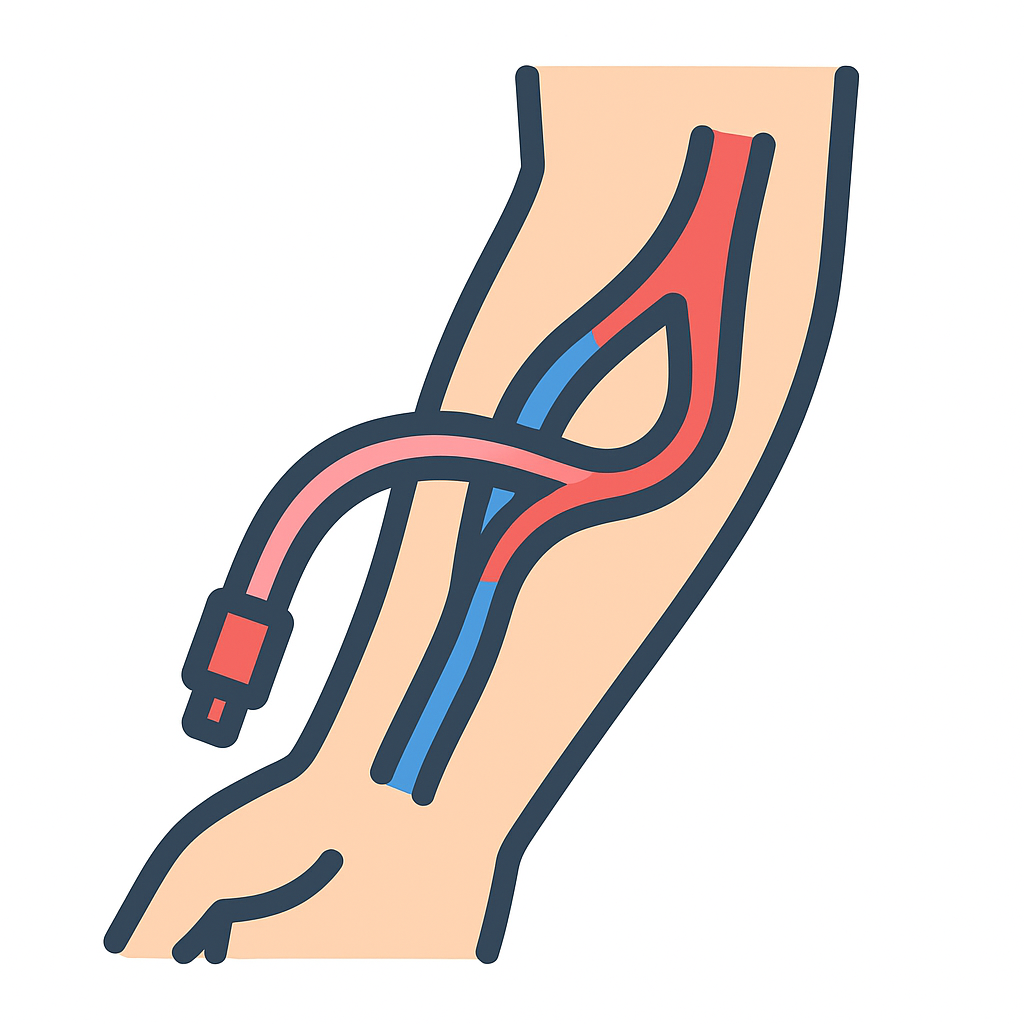 Dialysis Access
Procedures – AV Fistula -
 Vascular
Malformations -
 Carotid
Disease / Artery Stroke -
 Treating
Leg Ulcers -
 Treatment of
Swollen Legs -
 Vascular
Trauma -
 Portal-Mesenteric
Vascular Diseases -
 Aortic
Aneurysm -
 Diabetic Foot
Ulcer -
 Deep Vein
Thrombosis -
 Mesenteric
Ischaemia -
 Cervical Rib & Thoracic
Outlet Syndrome


Understanding Lower Limb Arterial Diseases (PAD)
PAD occurs when arteries supplying the legs narrow, leading to pain, discoloration, and poor circulation. We offer angioplasty, stenting, atherectomy, and advanced limb-saving treatments.
Endovascular Treatments
Minimally invasive vascular procedures such as angioplasty, stenting, embolization, and thrombolysis for fast, safe, and effective disease management without open surgery.
Dialysis Access Procedures
Expert creation and maintenance of AV fistulas, grafts, and catheter-based access for chronic kidney disease patients to ensure long-term, reliable dialysis access.
Vascular Malformations
Treatment of congenital and acquired vascular malformations, including AVMs, venous malformations, lymphatic malformations, and capillary malformations.
Carotid Disease
Blockages in the carotid arteries can lead to stroke. We provide carotid endarterectomy and carotid stenting to restore blood flow safely.
Treating Leg Ulcers
Venous, arterial, and diabetic ulcers require specialized vascular care. We provide advanced wound healing and circulation-restoring treatments.
Treatment of Swollen Legs
Leg swelling can be caused by venous insufficiency, lymphedema, or DVT. We offer accurate diagnosis and targeted vascular treatment to relieve swelling.
Vascular Trauma
Emergency treatment for arterial and venous injuries caused by accidents, fractures, and penetrating trauma to restore circulation quickly and safely.
Portal Mesenteric Vascular Diseases
Conditions affecting the portal and mesenteric veins can lead to severe abdominal complications. We offer expert diagnosis and minimally invasive treatments.
Aortic Aneurysm
Aortic aneurysms occur when the aorta weakens and bulges, posing a risk of rupture. We offer advanced screening and endovascular repair options.
Diabetic Foot Ulcer
Diabetic foot ulcers require early evaluation to prevent infections and amputations. We provide limb salvage treatments and vascular restoration.
Deep Vein Thrombosis (DVT)
DVT is caused by clot formation in deep veins, often the legs. Our treatments include thrombolysis, clot removal, and vein preservation procedures.
Cervical Rib & Thoracic Outlet Syndrome
TOS occurs when nerves or blood vessels are compressed near the neck and shoulder. We offer surgical and minimally invasive decompression solutions.
Mesenteric Ischaemia
Reduced blood flow to the intestines can be life-threatening. We specialize in early diagnosis and endovascular revascularization.
AV Fistula Surgeon in Koramangala
For patients with kidney failure who require regular haemodialysis, reliable vascular access is an essential part of long-term treatment. An AV fistula, or arteriovenous fistula, is a surgically created connection between an artery and a vein that provides suitable access for dialysis. Choosing an experienced AV fistula surgeon in Koramangala can help patients receive appropriate evaluation, surgical planning and follow-up for their dialysis access needs.
What Is an AV Fistula?
An arteriovenous fistula is created by connecting a suitable artery to a vein, usually in the arm. This allows the vein to develop stronger blood flow and become more suitable for repeated needle access during haemodialysis.
Compared with temporary dialysis access, an AV fistula is designed to provide a more durable form of vascular access when it is suitable for the patient's condition. The choice of fistula location and surgical approach depends on factors such as the patient's blood vessels, previous vascular procedures, medical history and dialysis requirements.
Why Is AV Fistula Creation Important for Dialysis?
Haemodialysis requires dependable access to the bloodstream so that blood can be circulated through the dialysis machine and returned to the body. A well-planned AV fistula can provide a long-term access route for this purpose.
Early assessment by a vascular surgeon may be particularly useful for patients who are approaching the need for dialysis. Evaluating the available arteries and veins before dialysis becomes urgent can allow the access plan to be developed according to the patient's individual vascular anatomy.
AV Fistula Surgery in Koramangala
AV fistula surgery requires careful assessment of the blood vessels and selection of an appropriate site for fistula creation. Depending on the patient's vascular anatomy, the surgeon determines where the artery and vein can be connected to create suitable dialysis access.
The procedure is planned with attention to blood flow, vessel quality and the patient's previous medical and surgical history. After surgery, the fistula requires monitoring while it develops and becomes ready for dialysis use.
When Should You Consult an AV Fistula Surgeon?
Patients with advanced kidney disease who are expected to require haemodialysis may benefit from discussing vascular access planning with a vascular surgeon in advance. A consultation may also be appropriate when:
- Dialysis access is not functioning properly
- A previous AV fistula has stopped working
- There are concerns about fistula maturation
- A patient has undergone previous dialysis access procedures
- There is swelling, pain or other changes around the access site
- A new vascular access needs to be planned
Timely vascular assessment can help determine the most appropriate approach based on the patient's individual circumstances.
Choosing an AV Fistula Surgeon in Koramangala
Selecting a vascular surgeon for AV fistula creation involves more than simply choosing a convenient location. Experience in vascular and endovascular surgery, careful preoperative assessment and appropriate postoperative monitoring are important considerations when planning dialysis access.
Dr. Gurunath Reddy is a vascular and endovascular surgeon in Bangalore who provides care for patients requiring vascular procedures, including AV fistula-related treatment and dialysis access management. His approach focuses on evaluating the patient's vascular condition and planning treatment according to individual clinical requirements.
Vascular Access Care and Follow-Up
Creating an AV fistula is only one part of maintaining reliable dialysis access. Regular observation of the fistula and prompt attention to changes in blood flow or the access site are important.
Patients should discuss any unusual symptoms or changes in their dialysis access with their healthcare team. If an existing fistula develops problems, a vascular specialist can assess the cause and determine whether further treatment or revision is required.
AV Fistula Surgeon Near Koramangala, Bangalore
For patients searching for an AV fistula surgeon near Koramangala, access to specialised vascular care can make the treatment journey more convenient. Koramangala is well connected to several important parts of Bengaluru and is surrounded by established residential communities, commercial areas, hospitals and healthcare facilities. Its location between major parts of South and Central Bengaluru makes it a practical healthcare destination for patients and families travelling from nearby areas such as HSR Layout, BTM Layout, Ejipura, Adugodi and surrounding neighbourhoods.
Consult an AV Fistula Surgeon in Koramangala
If you or a family member requires dialysis access planning, AV fistula creation or assessment of an existing fistula, a consultation with a vascular surgeon can help determine the next appropriate step.
Dr. Gurunath Reddy provides specialised vascular and endovascular care in Bangalore, with treatment planning based on each patient's vascular condition and clinical needs.
Vascular Surgery – FAQs
Answers to Common Patient Questions
Who is the best vascular surgeon in Jayanagar?
The best vascular surgeon is one with specialised training in both open and endovascular procedures, extensive experience, and a strong focus on patient safety and long-term outcomes.
What are the symptoms of vascular disease?
Common symptoms include leg pain while walking, swelling, non-healing wounds, skin discoloration, visible veins, numbness, and sudden limb pain. Early evaluation is important to prevent complications.
Is vascular surgery risky?
Modern vascular surgery, especially minimally invasive endovascular procedures, is generally safe when performed by experienced specialists. Risks are significantly lower compared to traditional open surgery.
How long does recovery take after vascular surgery?
Recovery depends on the procedure performed. Many endovascular treatments allow patients to resume daily activities within a few days, while open surgeries may require a longer recovery period.
When should I consult a vascular specialist?
You should consult a vascular specialist if you have persistent leg pain, swelling, non-healing ulcers, visible varicose veins, or risk factors such as diabetes and smoking.

.png)
.png)