.webp)
.webp)
 (1).webp)
.webp)


 Care.webp)




Expertise in Vascular & Endovascular Care, With Compassion For Every Patient
.png)
Expertise in Vascular & Endovascular Care, With Compassion For Every Patient
Dr. Gurunathreddy B is a leading Vascular and Endovascular Surgeon in Bangalore with 14 years of experience in treating complex vascular conditions. He heads the Vascular Surgery Division at St. John’s Medical College & Hospital, Sarjapur Road, and has performed over 3,500 successful procedures, including varicose veins, diabetic foot, peripheral artery disease, AV fistula, and aneurysm surgeries.
-
00
+Years of experience
-
00
+Vascular patients treated
-
00
+Successful varicose vein treatments
-
Advanced vascular & endovascular care
-
Patient-centric, ethical treatment
-
Focus on limb preservation & saving life
-
Minimally invasive treatment options
-
Clear communication & long-term follow-up
5:00 PM - 8:00 PM
+91 9019929234
Understanding the Full Spectrum of Vascular
Diseases & Treatments
-
 Understanding
Varicose Veins -
 Lower Limb Arterial Diseases & Gangrene
-
 Endovascular
Treatments -
 Dialysis Access
Procedures – AV Fistula -
 Vascular
Malformations -
 Carotid
Disease / Artery Stroke -
 Treating
Leg Ulcers -
 Treatment of
Swollen Legs -
 Vascular
Trauma -
 Portal-Mesenteric
Vascular Diseases -
 Aortic
Aneurysm -
 Diabetic Foot
Ulcer -
 Deep Vein
Thrombosis -
 Mesenteric
Ischaemia -
 Cervical Rib & Thoracic
Outlet Syndrome


Understanding Lower Limb Arterial Diseases (PAD)
PAD occurs when arteries supplying the legs narrow, leading to pain, discoloration, and poor circulation. We offer angioplasty, stenting, atherectomy, and advanced limb-saving treatments.
Endovascular Treatments
Minimally invasive vascular procedures such as angioplasty, stenting, embolization, and thrombolysis for fast, safe, and effective disease management without open surgery.
Dialysis Access Procedures
Expert creation and maintenance of AV fistulas, grafts, and catheter-based access for chronic kidney disease patients to ensure long-term, reliable dialysis access.
Vascular Malformations
Treatment of congenital and acquired vascular malformations, including AVMs, venous malformations, lymphatic malformations, and capillary malformations.
Carotid Disease
Blockages in the carotid arteries can lead to stroke. We provide carotid endarterectomy and carotid stenting to restore blood flow safely.
Treating Leg Ulcers
Venous, arterial, and diabetic ulcers require specialized vascular care. We provide advanced wound healing and circulation-restoring treatments.
Treatment of Swollen Legs
Leg swelling can be caused by venous insufficiency, lymphedema, or DVT. We offer accurate diagnosis and targeted vascular treatment to relieve swelling.
Vascular Trauma
Emergency treatment for arterial and venous injuries caused by accidents, fractures, and penetrating trauma to restore circulation quickly and safely.
Portal Mesenteric Vascular Diseases
Conditions affecting the portal and mesenteric veins can lead to severe abdominal complications. We offer expert diagnosis and minimally invasive treatments.
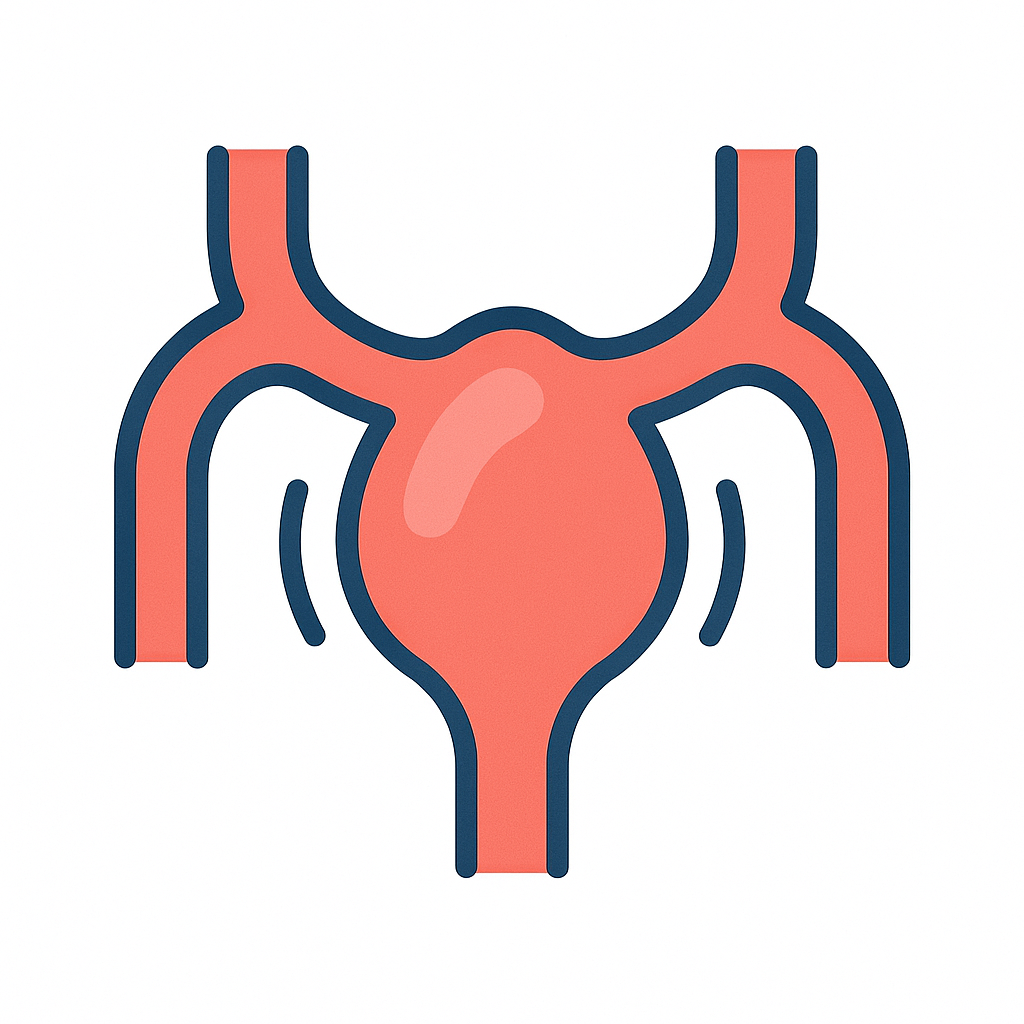
Aortic Aneurysm
Aortic aneurysms occur when the aorta weakens and bulges, posing a risk of rupture. We offer advanced screening and endovascular repair options.
Diabetic Foot Ulcer
Diabetic foot ulcers require early evaluation to prevent infections and amputations. We provide limb salvage treatments and vascular restoration.
Deep Vein Thrombosis (DVT)
DVT is caused by clot formation in deep veins, often the legs. Our treatments include thrombolysis, clot removal, and vein preservation procedures.
Cervical Rib & Thoracic Outlet Syndrome
TOS occurs when nerves or blood vessels are compressed near the neck and shoulder. We offer surgical and minimally invasive decompression solutions.
Mesenteric Ischaemia
Reduced blood flow to the intestines can be life-threatening. We specialize in early diagnosis and endovascular revascularization.
Aortic Aneurysm Repair in Jayanagar – Advanced & Life-Saving Vascular Care
The aorta is the largest artery in the body, responsible for carrying oxygen-rich blood from the heart to vital organs. When a weakened section of the aortic wall begins to bulge or enlarge, it is known as an aortic aneurysm. If left untreated, an aneurysm can rupture and become life-threatening. Seeking timely Aortic Aneurysm Repair in jayanagar ensures early intervention, reduced risk of rupture, and improved long-term survival.
Modern vascular care now offers both open surgical repair and minimally invasive endovascular techniques to treat aneurysms safely. Early diagnosis, expert evaluation, and personalised treatment planning are essential to prevent complications and ensure optimal recovery.
What Is an Aortic Aneurysm?
An aortic aneurysm occurs when part of the aorta becomes enlarged due to weakness in the vessel wall. It may develop in the abdomen (abdominal aortic aneurysm) or chest (thoracic aortic aneurysm). Many aneurysms grow silently without noticeable symptoms, making routine check-ups and imaging crucial for early detection.
Common risk factors include high blood pressure, smoking, diabetes, high cholesterol, genetic predisposition, and advancing age. When the aneurysm reaches a critical size or causes symptoms such as abdominal pain, back pain, or pulsating sensation, immediate medical attention is required.
Advanced Treatment Options
Expert Aortic Aneurysm Repair in jayanagar includes two primary approaches:
- Endovascular Aneurysm Repair (EVAR): A minimally invasive procedure where a stent graft is placed inside the aneurysm through small groin punctures to reinforce the weakened artery.
- Open Surgical Repair: A traditional method where the damaged section of the aorta is replaced with a synthetic graft through a surgical incision.
Endovascular repair is often preferred for suitable patients because it involves smaller incisions, less blood loss, shorter hospital stays, and faster recovery. However, the choice of treatment depends on the aneurysm’s size, location, and the patient’s overall health condition.
Benefits of Early Aneurysm Repair
Timely Aortic Aneurysm Repair in jayanagar significantly reduces the risk of rupture, which can otherwise lead to internal bleeding and life-threatening emergencies. Key benefits include:
- Prevention of aneurysm rupture
- Improved blood circulation
- Reduced risk of sudden complications
- Enhanced long-term survival
- Faster recovery with minimally invasive techniques
Diagnosis and Evaluation
Accurate diagnosis involves imaging tests such as ultrasound, CT angiography, and MR angiography. These advanced imaging techniques provide detailed information about the aneurysm’s size and location, allowing specialists to design a customised treatment plan.
Patients undergoing Aortic Aneurysm Repair in jayanagar receive comprehensive pre-operative assessment and post-procedure monitoring to ensure safety and long-term success. Regular follow-up scans are essential, especially after endovascular repair, to confirm the stent graft remains properly positioned.
When to Consult a Vascular Specialist
Many aneurysms do not produce symptoms until they enlarge significantly. Individuals with risk factors such as long-term smoking, uncontrolled hypertension, or a family history of aneurysms should undergo periodic screening. Early detection makes treatment safer and more effective.
With modern advancements in vascular surgery, aneurysm repair has become safer and more precise than ever before. Choosing an experienced vascular specialist ensures expert diagnosis, advanced surgical care, and comprehensive follow-up support for lasting vascular health.
Aortic Aneurysm Repair – FAQs
Answers to Common Patient Questions
What is an aortic aneurysm?
An aortic aneurysm is a bulging or enlargement in the wall of the aorta caused by weakening of the artery. If untreated, it may rupture and become life-threatening.
When is aortic aneurysm repair necessary?
Repair is recommended when the aneurysm reaches a certain size, grows rapidly, or causes symptoms such as pain or discomfort, as the risk of rupture increases significantly.
Is endovascular aneurysm repair safer than open surgery?
Endovascular repair is minimally invasive and often associated with shorter hospital stays and faster recovery. However, the best approach depends on the patient’s condition and aneurysm characteristics.
How long does recovery take after aneurysm repair?
Recovery after endovascular repair may take one to two weeks, while open surgery may require a longer recovery period of several weeks.
Can aortic aneurysms be prevented?
While not all aneurysms can be prevented, controlling blood pressure, quitting smoking, maintaining a healthy weight, and undergoing regular screenings can significantly reduce risk.

.png)
.png)